
The best performance engine oil depends on your vehicle, mileage, climate, and the oil grade listed in its owner’s manual.
A hard-working engine faces heat, friction, dirt, and long hours on the road. The wrong oil can cause poor flow, extra wear, or leaks. The right oil helps parts move smoothly and keeps deposits under control. I reviewed five popular options for different needs, including high-mileage cars, daily drivers, and small two-cycle engines. Use this guide to match oil type, viscosity, protection, and value with your vehicle before you buy.
See the differences between my top picks at a glance.
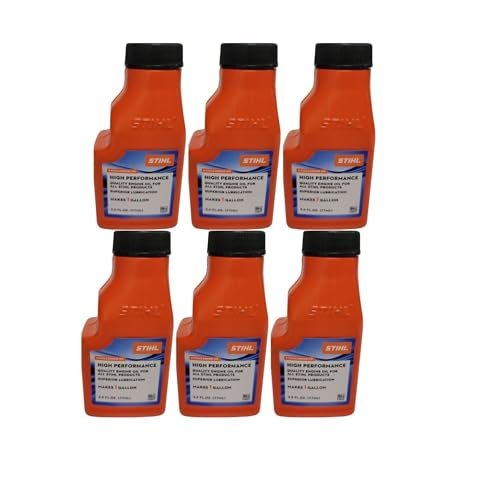
STIHL 2-Cycle High Performance Oil

The STIHL 0781 319 8008 oil is made for air-cooled two-cycle engines. It comes in a six-pack of 2.6-ounce bottles. That format suits users who mix small fuel batches for compatible STIHL tools. It is not a crankcase oil for a car or truck, so buyers must use it only as the equipment maker directs.
I like the small bottle size for chainsaws, trimmers, blowers, and other portable tools that need measured fuel mix. It can reduce guesswork when the manual calls for a set amount of oil per gallon of gasoline. Still, the correct fuel ratio matters more than the bottle alone. Always check the exact STIHL model, fuel grade, and storage advice before mixing.
Pros:
- Designed for compatible STIHL two-cycle equipment
- Small bottles help with measured fuel mixing
- Six-pack format suits repeat tool use
- Convenient for chainsaw and trimmer owners
- Helps avoid using automotive motor oil in a two-cycle fuel mix
- Easy to store in a tool shed or garage
Cons:
- Not suitable for four-stroke cars, trucks, or motorcycles
- Use depends on the fuel ratio in the equipment manual
- Small bottles may cost more per ounce than a larger container
What Amazon Buyers Are Saying
Buyer feedback commonly focuses on convenience, correct fit for STIHL tools, and the useful six-pack format. Customers who already know their tool’s mix ratio tend to value the measured bottles. Some buyers may dislike the small volume if they use several gallons of fuel at a time. Product fit is the main point to confirm, since this oil cannot replace standard automotive engine oil.
My Recommendation
I recommend this pack for owners of compatible STIHL two-cycle tools who want a simple, brand-matched oil supply. I would not recommend it for a car or any four-stroke engine. It is a practical choice when the manual supports it, but it does not compete with the automotive oils below.
Valvoline MaxLife Full Synthetic 5W-20

Valvoline MaxLife Full Synthetic 5W-20 targets engines with 75,000 miles or more. Its full synthetic base offers stable flow across a wide range of temperatures. The product listing highlights seal conditioners, reduced oil consumption support, and stronger wear protection. Its 5W-20 grade fits only engines that call for that viscosity.
This is my strongest pick for a high-mileage vehicle that already uses 5W-20. Seal conditioners may help keep older seals flexible, but they cannot repair a damaged gasket. Full synthetic oil also gives a useful margin during hot trips, stop-and-go traffic, and cold starts. I would still follow the vehicle manual, oil-change schedule, and required performance standard.
Pros:
- Full synthetic formula for demanding daily use
- Designed for vehicles with 75,000 miles or more
- Seal conditioners support aging seals
- Useful for drivers concerned about minor leaks or oil use
- 5W-20 viscosity supports many modern engines
- Five-quart size fits many routine oil changes
- Strong choice for heat and frequent road use
Cons:
- 5W-20 is not correct for every vehicle
- May cost more than a conventional or synthetic-blend oil
- Seal conditioners cannot fix major mechanical leaks
What Amazon Buyers Are Saying
Common buyer themes include easy pouring, good value during oil changes, and confidence in using a high-mileage formula. Many shoppers choose it because their engines have passed the 75,000-mile mark. Some feedback may mention delivery packaging, price changes, or confusion over viscosity. Those concerns show why buyers should check the bottle label and vehicle manual before ordering.
My Recommendation
This is the best performance engine oil in this group for a high-mileage car that requires 5W-20. I like its full synthetic base and clear focus on older engines. It is worth buying when the grade and required service rating match your vehicle. I would give it the top score for high-mileage 5W-20 use.
Valvoline MaxLife Synthetic Blend 5W-20
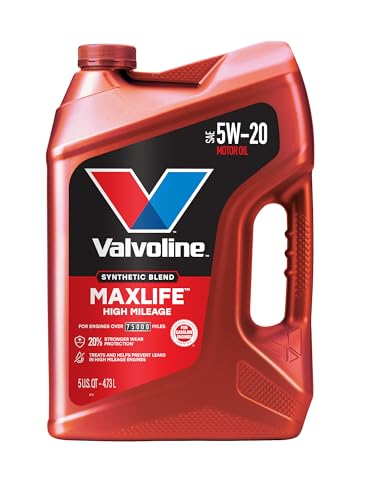
This MaxLife product uses a synthetic blend and a 5W-20 viscosity. It aims to help protect aging engines, reduce leaks, and limit oil consumption. A blend can offer a useful middle ground for drivers who want more than basic conventional oil without paying the highest full-synthetic price. The five-quart container also suits many standard service intervals.
I see this oil as a sensible option for an older daily driver that still runs well and calls for 5W-20. It may be a better budget fit than the full synthetic version for normal commuting. However, it does not turn a worn engine into a new one. Check the required API or manufacturer approval on the current label, since oil standards and packaging can change.
Pros:
- Synthetic-blend design balances cost and protection
- Made with high-mileage engines in mind
- 5W-20 grade fits many light-duty vehicles
- Supports efforts to reduce leaks and oil consumption
- Five-quart jug can cover many oil-change needs
- Good choice for routine city and highway driving
- Often offers a lower purchase cost than full synthetic oil
Cons:
- Not as fully synthetic as the MaxLife full synthetic option
- Only suitable when the vehicle requires 5W-20
- May not be the first choice for severe heat or extreme service
What Amazon Buyers Are Saying
Buyer discussions often praise the blend for its balance of price and high-mileage features. Customers commonly like the familiar brand, the large jug, and the fit for older commuter vehicles. Some shoppers compare it with full synthetic oil and expect identical results, which is not a fair comparison. A few may report that their engine still uses oil; that can point to wear or a leak that oil alone cannot solve.
My Recommendation
I recommend this product for a budget-minded owner of a high-mileage vehicle that requires 5W-20. It is a practical step above basic oil when its specifications match the car. It is not my top choice for severe service, but it offers strong everyday value. My rating is 4.3 out of 5.
Valvoline MaxLife Synthetic Blend 5W-30
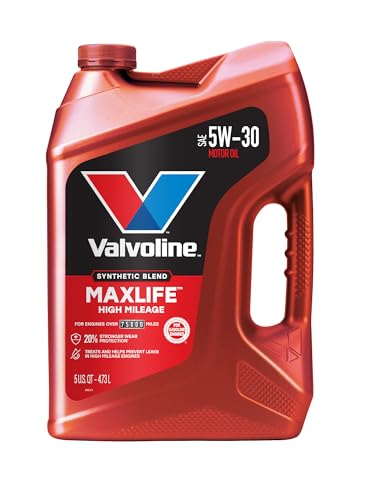
This MaxLife synthetic blend uses SAE 5W-30 oil for older engines. It focuses on helping aging engines manage leaks, oil use, and wear. The thicker operating grade may suit vehicles whose manuals specify 5W-30. It comes in a five-quart container, which makes it convenient for many passenger-car oil changes.
This is a strong fit for a high-mileage vehicle that needs 5W-30 rather than 5W-20. I would consider it for an older sedan, crossover, or light truck used for normal driving. The key is not to choose it simply because the engine is old. Viscosity must come first, and the manual remains the final authority.
Pros:
- 5W-30 grade suits many older vehicle applications
- Synthetic blend offers a practical price point
- High-mileage formula supports aging seals
- Designed to help reduce leaks and oil consumption
- Five-quart size works well for many service jobs
- Useful for daily commuting and mixed driving
- Offers a targeted alternative to the 5W-20 version
Cons:
- Not appropriate for engines that require 5W-20
- Does not provide the same base type as full synthetic oil
- Cannot correct serious seal, ring, or gasket damage
What Amazon Buyers Are Saying
Common buyer comments tend to center on price, engine fit, and the value of a high-mileage blend. Owners often choose it after checking that their vehicle calls for 5W-30. Some customers like the large jug for home oil changes. Complaints can include a cap or package damaged during shipping, as well as buyers ordering the wrong grade by mistake.
My Recommendation
I recommend this oil for older engines that specifically require SAE 5W-30. It gives high-mileage drivers a sensible blend with useful seal-support features. It is a good value for routine service, but full synthetic remains better for drivers who face very high heat or severe use. I rate it 4.4 out of 5.
Valvoline Advanced Full Synthetic 5W-30

Valvoline Advanced Full Synthetic 5W-30 is made for drivers who want broad protection in a modern daily driver. The listing highlights wear protection, deposit defense, and heat protection. A full synthetic base can resist breakdown well during hot operation and long trips. As with every oil here, the vehicle manual must approve the 5W-30 viscosity and required service level.
This is my best all-around automotive pick when the vehicle calls for 5W-30 and does not need a high-mileage formula. It suits commuting, highway travel, and normal year-round use. Deposit control matters because clean engine parts can support smooth operation over time. I would choose it over a blend when the price difference is reasonable and the car benefits from full synthetic oil.
Pros:
- Full synthetic 5W-30 formula
- Designed to support long engine life
- Strong focus on wear protection
- Helps defend against engine deposits
- Useful heat protection for demanding drives
- Fits many modern passenger-car applications
- Five-quart container suits many home oil changes
Cons:
- 5W-30 may not fit every modern engine
- May cost more than a synthetic blend
- It does not specifically target high-mileage seal concerns
What Amazon Buyers Are Saying
Buyer feedback commonly highlights the brand, full synthetic formula, and reasonable cost for a complete oil change. Drivers often choose it for regular maintenance and want a simple product that matches their manual. Some shoppers compare prices with store brands or larger bulk packs. As with most oil listings, buyers should inspect the delivered container and confirm the label before use.
My Recommendation
I recommend this product as the best performance engine oil for many normal-use vehicles that require 5W-30. It offers the strongest balance of full synthetic protection, heat support, deposit defense, and daily value in this review. It is worth buying when its specifications match your car. My overall rating is 4.7 out of 5.
How to Choose the Best Performance Engine Oil
Choosing the best performance engine oil starts with the vehicle, not the label slogan. Oil works as a matched system. Its viscosity, base oil, additives, and performance rating must suit the engine. I use the owner’s manual as the first filter, then compare oil type, mileage needs, driving conditions, and price. This process helps prevent an expensive mistake.
1. Match the SAE Viscosity to Your Manual
SAE numbers describe how oil flows in cold weather and how it acts at operating heat. In a grade such as 5W-30, the “5W” relates to cold flow, while “30” describes the hot operating range. A lower first number does not automatically mean better oil. Your engine was built with a set oil range, and modern engines may need a very specific grade.
Do not switch from 5W-20 to 5W-30 just because the engine has high mileage. Some vehicles allow more than one grade, while others do not. Check the owner’s manual, oil cap, and current manufacturer guidance. If you live in a very cold or hot area, confirm the approved range before you buy.
2. Choose Full Synthetic, Blend, or Two-Cycle Oil
Full synthetic motor oil usually gives strong temperature stability and clean performance. It can make sense for turbocharged engines, heavy traffic, long trips, and drivers who want a wider protection margin. A synthetic blend can lower cost while still offering useful protection for everyday driving. It may suit an older car that does not need the highest level of synthetic performance.
High-mileage oil adds features aimed at older engines. Seal conditioners may help maintain seal flexibility, but they cannot fix a failed gasket or worn piston rings. For a chainsaw or trimmer, use two-cycle oil made for that tool. Never pour STIHL two-cycle oil into a car crankcase, and never use automotive motor oil as a fuel-mix substitute.
3. Check the Service Rating, Engine Age, and Real Value
Viscosity is only one part of the choice. The oil must also meet the performance category or manufacturer approval listed in your manual. Look for the current label on the bottle. Standards can change, and an online product photo may not show the exact container you receive.
Think about your driving pattern, too. Short trips can leave moisture and fuel in the oil. Towing, racing, dusty roads, long idling, and extreme heat can increase stress. These conditions may call for shorter service intervals. Follow the manual, not a generic promise on a bottle.
Finally, compare the cost per quart, the oil-change volume, and the time between changes. A five-quart jug may be efficient, but do not buy extra oil if your engine needs a different amount. Store unopened oil in a cool, dry place. After an oil change, check the level on a level surface and recycle the used oil at an approved collection site.
Final Verdict: Which Should You Buy?
For most 5W-30 vehicles, Valvoline Advanced Full Synthetic is my top pick. For high-mileage 5W-20 engines, choose MaxLife Full Synthetic. Use the two-cycle STIHL oil only in compatible outdoor equipment.
The best performance engine oil is the one that matches your manual and driving needs. Confirm viscosity and service ratings before ordering, then keep a regular oil-change schedule.
FAQs Of best performance engine oil
What is the best performance engine oil for most cars?
Valvoline Advanced Full Synthetic 5W-30 is a strong general choice when your vehicle requires 5W-30. Always confirm the manual’s viscosity and service rating first.
Is high-mileage oil better for an older engine?
It can help support aging seals and may reduce minor leaks or oil use. It cannot repair major gasket, seal, ring, or bearing damage.
Can I use 5W-30 instead of 5W-20?
Only if your vehicle maker allows 5W-30. Check the owner’s manual because the wrong viscosity can affect engine operation and warranty requirements.
Is full synthetic oil worth the extra cost?
It can be worth it for heat, long trips, heavy traffic, turbo engines, and extended daily use. The oil still needs to meet your vehicle’s required standard.
Can STIHL two-cycle oil go in a car engine?
No. STIHL two-cycle oil is for compatible two-cycle equipment and fuel mixing. It is not a substitute for four-stroke automotive motor oil.