
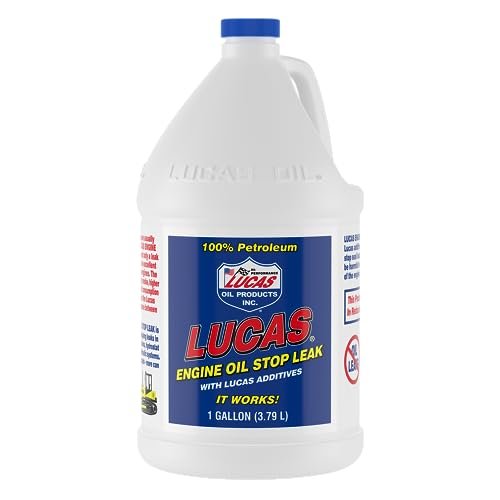
The best engine oil stop leak additive is Lucas Oil Stop Leak for its broad use, thick formula, and strong value.
A small oil spot under your car can turn into a costly repair. Yet not every leak means the engine needs to come apart. A good stop-leak additive may soften old seals, slow seepage, and reduce oil loss when wear is mild. I reviewed three popular options for formula, use, value, and real-world fit. These products cannot fix a broken gasket or cracked part. Still, the right engine oil leak sealer can help extend the life of an older vehicle while you plan a proper repair.
See the differences between my top picks at a glance.
| Product | Best For | Size | Main Benefit | Important Note | Buy |
|---|---|---|---|---|---|
| Lucas Oil Stop Leak | Older engines and broad use | 1 gallon | Thick oil additive blend | Large container suits frequent use | View on Amazon |
| Bardahl NoSmoke StopLeak | Oil burning and worn seals | 16 oz | Thick formula for worn tolerances | May not suit every modern engine | View on Amazon |
| LIQUI MOLY Motor Oil Saver | Seal care and mild seepage | 300 ml | Focused seal-conditioning additive | Use the correct oil amount after adding | View on Amazon |
Lucas Oil 10279 Stop Leak
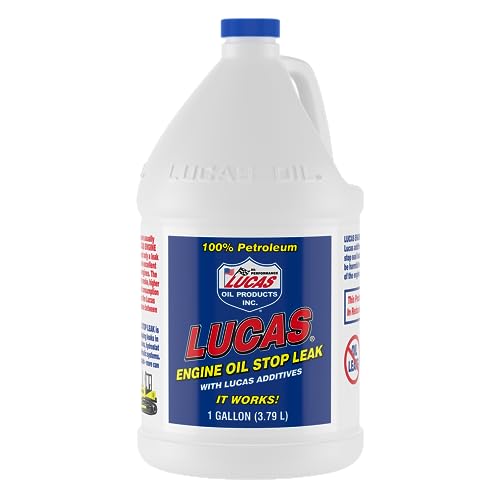
Lucas Oil 10279 is a well-known engine oil stop leak additive for older cars, trucks, and equipment. Its thick blend combines Lucas additives with base stocks. The goal is to reduce oil loss from worn seals and small leaks. It also gives aging oil a heavier feel, which may help in engines with loose internal clearances.
I see this product as a practical choice when you need a larger quantity. The one-gallon size makes sense for a shop, a fleet owner, or someone who maintains several older vehicles. It does not replace a failed gasket, damaged oil pan, or cracked seal housing. Always check the engine oil level after adding it, since too much additive can raise the total fill above the safe mark.
Pros:
- Large one-gallon container offers strong value for repeated use
- Works with many conventional engine oil applications
- Thick formula suits older engines with worn seals
- Useful for cars, trucks, and other oil-lubricated engines
- May reduce mild seepage and slow oil consumption
- Lucas has strong name recognition in automotive fluids
- Good option for garages and vehicle owners who treat more than one engine
Cons:
- The large container may be excessive for one vehicle
- A thick additive can change the feel of the oil in some engines
- It cannot repair a major leak or mechanical damage
- Buyers must avoid overfilling the crankcase
What Amazon Buyers Are Saying
Amazon review patterns often show that buyers choose Lucas Stop Leak for older engines that leave small spots or use oil between changes. Positive comments tend to focus on reduced seepage, less frequent top-offs, and the large container size. Some owners report that results appear after driving for a while rather than at once.
Critical comments usually involve leaks that were too large for an additive to handle. Some buyers also find the gallon size inconvenient when they only need one treatment. These reports support an important point: this product works best as a temporary aid for mild seal wear, not as a permanent answer to a failed gasket.
My Recommendation
I recommend Lucas Oil 10279 for high-mileage vehicles, shared garages, and users who want a versatile formula in bulk. It earns a strong score for value, but the quantity may not suit a single newer car. Use it only within the maker’s stated directions and keep checking the dipstick.
| Category | Rating |
|---|---|
| Seal-support performance | 4.4/5 |
| Compatibility and versatility | 4.3/5 |
| Ease of use | 4.2/5 |
| Value for money | 4.7/5 |
| Overall Rating | 4.4/5 |
Bardahl NoSmoke StopLeak

Bardahl NoSmoke StopLeak targets engines that burn oil or show signs of worn seals. Its thick formula is designed to fill worn tolerances and condition dry, brittle seals. The product also claims to help quiet noisy lifters and reduce visible smoke linked to oil burning. That makes it different from a basic leak treatment aimed only at a wet spot under the car.
This additive may appeal to owners of older engines with several wear symptoms at once. For example, an aging engine may use oil, show blue smoke, and develop mild seepage around seals. Still, smoke can have many causes, including worn piston rings, valve guides, or a damaged turbo seal. I would diagnose the engine before using any additive as a cure.
Pros:
- Designed for oil burning and worn engine tolerances
- May help condition old or dry seals
- Thick formula can suit some high-mileage engines
- Small 16-ounce size is easier to store than a bulk container
- May help reduce visible smoke caused by oil entering combustion areas
- Can support engines with mild oil-use problems
- Useful for owners seeking a focused stop-smoke and leak product
Cons:
- It may be too thick for some modern engines and oil grades
- It cannot fix worn piston rings, broken parts, or major seal failure
- Results can vary based on engine condition
- Users must follow the package directions and avoid over-treatment
What Amazon Buyers Are Saying
Common Amazon review themes show that many buyers select Bardahl NoSmoke for older vehicles that burn oil or produce smoke. Positive reviews often mention less smoke, slower oil use, or a quieter engine after use. Some buyers also like the smaller bottle because it fits a single treatment without leaving a large amount in storage.
Other reviews report little change, especially when the engine has serious internal wear. A few buyers expect an instant repair and feel disappointed when the product only reduces symptoms. Those experiences are reasonable reminders that a stop-leak additive has limits. It may help with seal shrinkage and mild wear, but it cannot restore badly worn mechanical parts.
My Recommendation
Bardahl NoSmoke StopLeak is worth considering when oil burning is the main concern. I would choose it for an older engine after checking the oil grade, owner’s manual, and source of the smoke. It is less attractive for a clean, modern engine with a simple external leak.
| Category | Rating |
|---|---|
| Oil-burning support | 4.3/5 |
| Seal conditioning focus | 4.2/5 |
| Ease of use | 4.4/5 |
| Value for money | 4.1/5 |
| Overall Rating | 4.3/5 |
LIQUI MOLY Motor Oil Saver

LIQUI MOLY Motor Oil Saver is a compact seal-care additive for engines with mild oil seepage or seal aging. The product comes in a 300 ml bottle, so it fits a single vehicle treatment better than a gallon jug. Its purpose is to help restore flexibility to seals and reduce oil loss linked to hardened or shrunken sealing material.
I like this option for buyers who want a more measured treatment. The bottle size helps limit waste, but you still need to confirm the correct dosage for your engine’s oil capacity. It may suit a car that seeps oil around older seals without showing signs of major mechanical failure. As with every product in this category, inspect the leak first and repair the source when possible.
Pros:
- Compact 300 ml bottle suits a single vehicle
- Focused formula for aged and hardened seals
- Easy to add during an oil service
- Good fit for mild seepage and gradual oil loss
- Well suited to buyers who do not need a bulk product
- Can complement a planned maintenance routine
- Compact packaging makes storage simple
Cons:
- May not offer the same bulk value as the Lucas product
- It will not repair a broken gasket or cracked component
- Buyers must account for the additive in the total oil fill
- Results may take time and may vary with seal condition
What Amazon Buyers Are Saying
Amazon buyers commonly praise LIQUI MOLY Motor Oil Saver for its convenient bottle size and its use in older cars with minor oil leaks. Positive comments often describe less seepage after an oil change or gradual improvement during normal driving. Some users prefer it because they can treat one vehicle without storing a large container.
Less favorable reviews often come from owners who expected a serious leak to stop at once. Some also report no clear change when the real problem involved a gasket or another damaged part. These comments match the limits of a seal conditioner. It can support aging seals, but it cannot replace mechanical repair.
My Recommendation
I recommend LIQUI MOLY Motor Oil Saver for a careful owner who wants a compact, focused treatment for mild seepage. It is a strong choice for one vehicle and normal home maintenance. I would not use it to delay a repair when the oil loss is fast or the leak reaches hot exhaust parts.
| Category | Rating |
|---|---|
| Seal-care performance | 4.4/5 |
| Dose convenience | 4.6/5 |
| Compatibility guidance | 4.3/5 |
| Value for one vehicle | 4.2/5 |
| Overall Rating | 4.4/5 |
How to Choose the Best Engine Oil Stop Leak Additive
Choosing the best engine oil stop leak additive takes more than picking the thickest bottle. First, find out where the oil goes. Then match the additive to the age, oil type, and condition of the engine. A quality product can reduce mild seepage, but a fast leak needs diagnosis and repair. Use the points below to make a safer choice.
1. Identify the Leak Before Buying
Park on a clean surface and look for fresh oil. Check the oil filter, drain plug, valve cover, front crank seal, rear main seal area, and oil pan. Also look around the turbocharger if the vehicle uses one. A UV dye and lamp can help trace a small leak, but a repair shop can find difficult leaks more safely.
Do not rely on an additive when oil drips heavily, the oil warning light comes on, or the engine loses oil in a short time. Never ignore oil on the exhaust manifold or other hot parts. It can create smoke and a fire risk. In such cases, stop driving until you locate the source.
A seal conditioner may help when rubber seals have become hard from age. It is less likely to help when a metal surface has cracked or a gasket has torn. This simple check prevents wasted money and protects the engine from low oil pressure.
2. Match the Formula to the Engine and Oil
Read the owner’s manual before adding any engine oil leak sealer. Check the required oil viscosity, oil capacity, and additive rules. Some modern engines use tight oil passages, turbochargers, variable valve timing, or special emissions systems. A very thick additive may not suit every design.
Also consider the problem you want to solve. Lucas Oil Stop Leak fits broad use and older engines. Bardahl NoSmoke focuses more on oil burning and worn tolerances. LIQUI MOLY Motor Oil Saver focuses on aged seals and mild seepage. These are not identical products, even though all three address oil loss.
Never pour in more than the label allows. Additive takes up space in the crankcase. If you add it without removing oil, you may overfill the engine. Overfilling can cause foaming, leaks, and other problems. Measure the oil level on level ground after the engine cools for the time listed in the owner’s manual.
3. Compare Dose, Value, and Long-Term Use
A one-gallon bottle can offer excellent value if you maintain several vehicles. It may not make sense for one small car that needs one treatment. A 300 ml bottle can reduce waste and simplify storage. A 16-ounce product may fit owners who want a focused treatment for oil burning.
Look beyond the lowest price. Check the cost per treatment, the product’s intended use, and the instructions. A cheap additive does not save money if it does not match the problem. I also prefer clear packaging information, a known manufacturer, and a product that tells users how much to add.
Track the oil level before and after treatment. Write down the date, mileage, oil grade, and amount added. This simple record shows whether the additive helps. If the leak continues, schedule a repair instead of using repeated doses forever. The best engine oil stop leak additive should support maintenance, not hide a dangerous failure.
Final Verdict: Which Should You Buy?
Lucas Oil 10279 is my top pick for the best engine oil stop leak additive because it offers broad use, a proven-style thick formula, and strong bulk value. Choose LIQUI MOLY for one-car seal care or Bardahl when oil burning is the main concern.
Use any oil leak additive only for mild problems. Check the oil level, follow the label, and repair major leaks quickly. Smart diagnosis matters more than any bottle.
FAQs Of best engine oil stop leak additive
Does engine oil stop leak additive really work?
It may reduce mild seepage caused by aged or hardened seals. It will not repair a broken gasket, cracked housing, damaged oil pan, or badly worn engine part.
What is the best engine oil stop leak additive for older cars?
Lucas Oil Stop Leak is my top general choice for older cars. Bardahl may suit an engine that burns oil, while LIQUI MOLY fits mild seal seepage in one vehicle.
Can stop-leak additive damage an engine?
Use the correct product and dose to lower the risk. Overfilling, using an unsuitable thick formula, or ignoring the vehicle manual can create problems.
How long does an engine oil leak sealer take to work?
Results vary. Some mild seepage may improve after normal driving and heat cycles. A large or active leak may show no improvement at all.
Should I use stop-leak additive before an oil change?
Follow the product label. Many additives go into the existing oil, but you must keep the total oil level within the manufacturer’s safe range.