

Conventional engine oil is the traditional lubricant derived directly from refined crude oil. While modern vehicles often demand synthetic alternatives, conventional oil remains a reliable, cost-effective choice for many older or simpler engines.
When you walk into an auto parts store in 2026, the wall of motor oil options can feel overwhelming. With so many fancy labels promising extra power and space-age protection, you might find yourself asking a very basic question: what is conventional engine oil, and do I really need it?
At its core, conventional engine oil is the foundation of vehicle lubrication. It is the “old school” option that has kept engines running for generations. While technology has moved forward, understanding this product is still essential for any car owner who wants to keep their engine happy without spending extra money on features they might not actually need.
Key Takeaways
- Natural Origin: Conventional engine oil is refined from crude oil extracted from the earth.
- Cost-Effective: It is generally the most affordable option for drivers on a budget.
- Ideal for Older Engines: Older vehicles with simple engine designs often perform well with conventional oil.
- Shorter Lifespan: You will need to change it more frequently compared to synthetic or synthetic blend oils.
- Thermal Limits: It does not handle extreme heat or freezing cold as well as fully synthetic oils.
- Check Your Manual: Always follow the manufacturer’s viscosity and certification requirements for your specific vehicle.
Understanding the Basics of Conventional Engine Oil
To understand what is conventional engine oil, you have to look at how it begins. Unlike synthetic oils, which are manufactured in a lab to have uniform molecule sizes, conventional oil comes directly from crude oil pulled from the ground. It goes through a refining process to remove impurities and prepare it for the high-stress environment of your engine.
How Conventional Oil Works
Think of engine oil as the blood of your car. Your engine is full of metal parts moving against each other thousands of times per minute. Without oil, those parts would rub together, heat up, and eventually fuse. Conventional engine oil creates a slippery layer between these surfaces, preventing wear and keeping the engine cool.
Refining and Additives
Refining crude oil isn’t just about cleaning it up. Manufacturers add specific chemicals called additives to the base oil. These additives help the oil clean away dirt, resist foaming, and hold its shape even when the engine gets hot. Even though the base is “natural,” the final product is a highly engineered liquid designed to keep your car moving safely.
The Advantages of Choosing Conventional Oil
You might wonder why anyone would choose conventional oil in 2026. The answer is simple: value and simplicity. For many daily drivers, conventional oil provides exactly the level of protection required without any unnecessary bells and whistles.
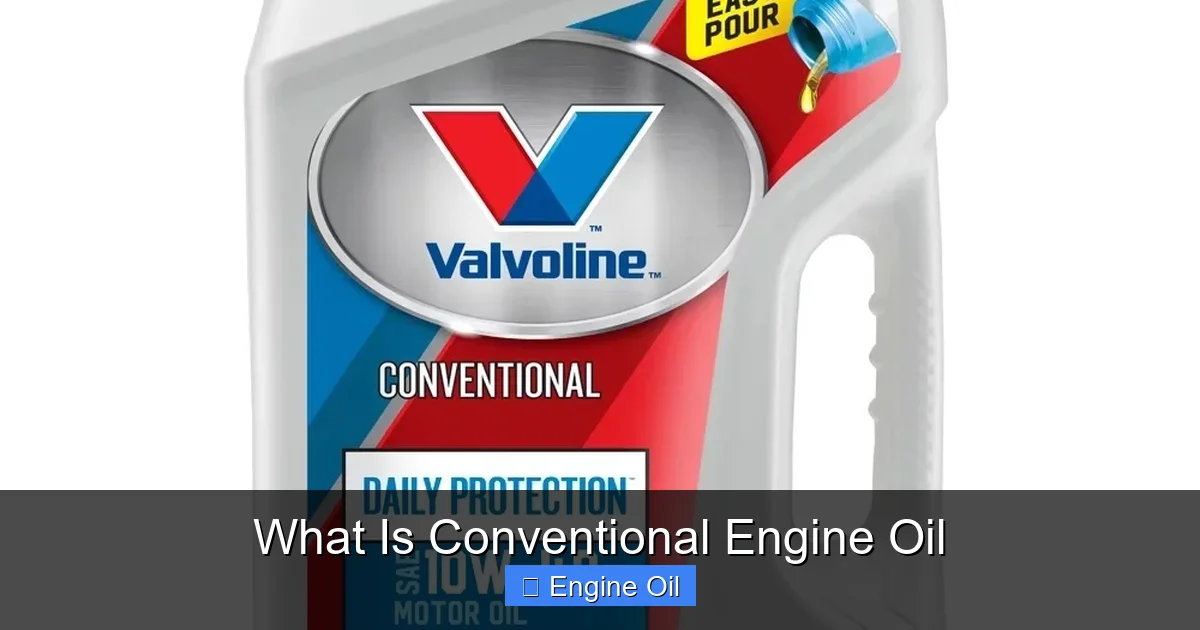
Visual guide about What Is Conventional Engine Oil
Image source: automohub.com
Saving Money at the Shop
The most obvious benefit of conventional engine oil is the price tag. Because the production process is less labor-intensive than creating synthetic molecules, the cost is passed down to you. If you have an older car that requires an oil change every 3,000 to 5,000 miles, those savings add up quickly over the course of a year.
Compatibility with Older Vehicles
Many older vehicles were designed during an era when conventional engine oil was the gold standard. In some cases, the seals and gaskets in high-mileage engines have actually “gotten used to” the chemistry of conventional oil. Switching to a high-tech synthetic could sometimes cause minor leaks in very old, worn-out engine seals, making conventional oil the safer choice for vintage daily drivers.
The Limitations You Need to Know
While we love a good deal, it is important to be realistic about where conventional engine oil falls short. As engines have become more complex and temperatures have risen, the limitations of natural oil have become clearer.
Breakdown Under Stress
Because the molecules in conventional oil vary in size, they don’t hold up as well under extreme pressure. In very hot weather or during heavy towing, the oil can thin out more quickly than synthetic oil. When it thins out, it loses its ability to protect those delicate moving parts, which can lead to faster engine wear over time.
The Frequency of Changes
The “3,000-mile rule” is something most of us grew up hearing. With conventional oil, that rule is still largely true. Because it breaks down faster than synthetic alternatives, you will find yourself back at the mechanic more often. If you factor in the cost of your time and the extra oil changes, the savings on the oil itself can sometimes feel less significant.
Conventional vs. Synthetic: Making the Choice
So, how do you decide? The debate between conventional engine oil and synthetic oil usually comes down to your driving habits and your owner’s manual. There is no one-size-fits-all answer, but there are some clear guidelines.
Check Your Owner’s Manual
This is the golden rule. In 2026, many modern cars have tight tolerances that require the superior flow of synthetic oil. If your manual says you must use a specific synthetic grade, do not use conventional oil. Using the wrong type of oil can void your warranty and potentially damage your engine sensors.
Consider Your Driving Environment
Do you live in a place with extreme winters? Or do you drive in heavy stop-and-go city traffic every day? If you live in a harsh climate, synthetic oil is almost always better because it flows better at startup in the cold. If you drive a simple commuter car in a mild climate, conventional engine oil will likely do the job perfectly well.
Maintenance Tips for Conventional Oil Users
If you have decided that conventional engine oil is the right choice for your car, you need to stay on top of your maintenance schedule. Consistency is the secret to a long-lasting engine.
Keep a Maintenance Log
It is easy to lose track of when you last visited the shop. Whether you use a physical notebook or a smartphone app, track your mileage. If you know you are using conventional oil, set a reminder for 3,500 miles. Don’t wait for the “check engine” or “oil life” light if your car is older and doesn’t have an accurate sensor system.
Check Your Levels Regularly
Even if you are using the best oil on the market, your engine will naturally consume a small amount between changes. Once a month, pull the dipstick out, wipe it clean, reinsert it, and check the level. If it is low, top it off with the same brand and weight of conventional oil you used for the last change.
Conclusion
Understanding what is conventional engine oil helps you take control of your vehicle’s health. It isn’t a “bad” product; it is a proven, reliable, and cost-effective lubricant that has powered millions of miles of travel. While technology continues to evolve, the need for a quality oil change remains a constant priority for every driver.
If you are driving a newer vehicle, stick with the manufacturer’s recommendation. However, if you are driving a dependable older car or looking for a way to manage your maintenance budget, conventional engine oil remains a solid, time-tested choice. Keep it clean, check it often, and your engine will reward you with years of faithful service.
Frequently Asked Questions
Is conventional engine oil bad for modern cars?
It isn’t necessarily “bad,” but it may not meet the specific engineering requirements of many modern engines. Always consult your owner’s manual to ensure the oil meets the manufacturer’s required certifications and viscosity standards.
Can I mix conventional and synthetic oils?
Yes, mixing them is generally safe and won’t cause immediate damage to your engine. However, doing so will dilute the benefits of the synthetic oil, effectively giving you a lower-performing blend.
How often should I change conventional oil?
Most experts recommend changing conventional oil every 3,000 to 5,000 miles, depending on your driving conditions. Always check your service manual to see the recommended interval for your specific engine.
Does conventional oil cause engine sludge?
Conventional oil is more prone to thermal breakdown than synthetic oil, which can lead to sludge buildup if oil changes are neglected. Staying on a strict maintenance schedule helps prevent this issue entirely.
Is conventional oil cheaper than synthetic?
Yes, conventional engine oil is consistently the most affordable option on the market. While it costs less upfront, remember that you will need to perform oil changes more frequently than you would with synthetic oil.
What happens if I use conventional oil instead of synthetic?
If your engine requires synthetic oil for its specific performance or cold-start needs, using conventional oil might lead to premature wear or poor performance. Always use the oil type recommended by the manufacturer to avoid potential issues.