
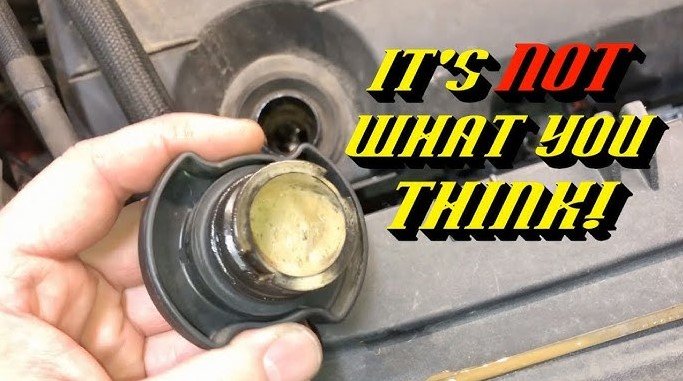
Finding milky engine oil is a serious warning sign that your vehicle’s lubrication system has been contaminated by coolant or excessive moisture. You must stop driving immediately to prevent catastrophic engine failure and expensive repairs.
There is nothing quite as unsettling as pulling your dipstick out for a routine check and seeing a thick, tan, or coffee-and-cream colored sludge instead of the usual amber oil. If you have ever stared at your dipstick and asked yourself, “Why is my engine oil milky?” you are not alone.
It is one of the most frightening sights for any car owner in 2026, but understanding what is happening under your hood is the first step toward fixing it before your engine reaches a point of no return.
When oil looks milky, it means your engine’s internal chemistry has been compromised. Oil and water are naturally enemies; they do not mix. When they are forced together by heat and agitation, they create an emulsion. That emulsion is the milky substance you see. This is not just a cosmetic issue; it is a mechanical emergency that indicates a breach in your engine’s internal seals or a significant environmental issue inside the crankcase.
Key Takeaways
- Identify the Cause: Milky oil is almost always caused by a mixture of oil and water, usually due to a failing component like a head gasket.
- Stop Driving: Continuing to run an engine with milky oil acts like sandpaper on internal parts, leading to permanent damage.
- Check for Coolant Loss: If your reservoir level is dropping, this confirms a leak is likely occurring within the engine block.
- Short Trip Syndrome: In some cases, light foam is just condensation from short commutes, but it should still be monitored closely.
- Professional Diagnosis: Always have a mechanic perform a pressure test to pinpoint exactly where the seal has failed.
Understanding the Science of Milky Oil
To understand why is my engine oil milky, you have to realize that your engine is a complex system of channels. Oil flows through the engine to lubricate moving parts, while coolant (antifreeze) flows through separate channels to keep temperatures stable. These two systems should never touch. When they do, the oil loses its ability to protect the metal surfaces inside your motor.
The Emulsification Process
The milky appearance is a result of emulsification. Imagine taking oil and water and putting them in a blender. The high-speed movement breaks the molecules into tiny droplets that stay suspended within one another.
In your engine, the crankshaft and connecting rods act as the blender, churning the oil and water together while the engine is running. The heat of the operating engine turns this mixture into a frothy, opaque sludge that cannot lubricate properly.
Why Lubrication Matters
Engine oil serves as a cushion between metal parts. When the oil is contaminated, that cushion disappears. The milky mixture has a much lower boiling point and lacks the chemical additives required to prevent wear. If you keep driving, the metal-on-metal friction will eventually cause your bearings to seize. Once the bearings spin, your engine is essentially a very expensive paperweight.
The Most Common Culprit: A Blown Head Gasket
When people ask, “Why is my engine oil milky?” the first thing a mechanic will check is the head gasket. This is a vital seal located between the engine block and the cylinder head. It is designed to keep the combustion chambers sealed and to prevent oil and coolant from bleeding into each other.
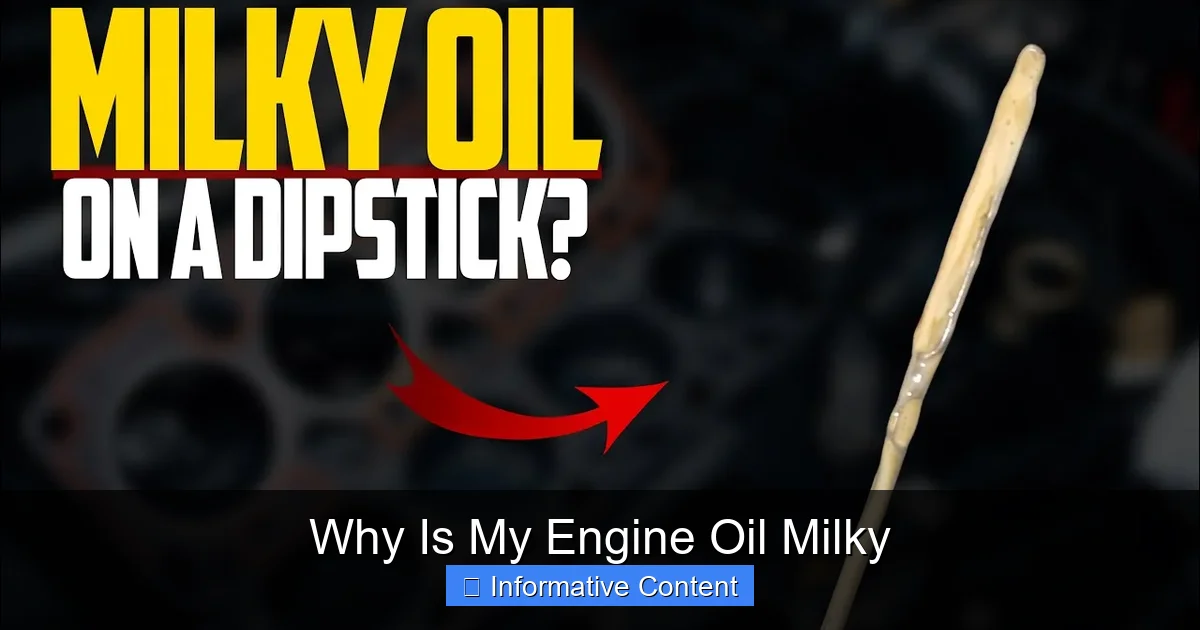
Visual guide about Why Is My Engine Oil Milky
Image source: i.ytimg.com
How the Gasket Fails
Over time, heat cycles can cause the head gasket to warp or crack. When this happens, the pressurized coolant in the cooling system finds a path into the oil return passages. Because the oil system and cooling system operate at different pressures, the coolant eventually migrates into the oil, leading to that tell-tale milky look.
Signs of a Bad Head Gasket
Beyond milky oil, you might notice other symptoms. Does your car overheat frequently? Is there white smoke coming from the exhaust pipe? These are classic indicators that your head gasket has failed. White smoke specifically means that coolant is entering the combustion chamber and being burned, turning into steam.
Condensation and “Short Trip” Syndrome
Not every case of milky oil points to a blown head gasket. In 2026, many of us drive shorter commutes due to remote work or urban living. If you only drive your car for five minutes at a time, the engine never gets hot enough to evaporate the natural condensation that forms inside the crankcase.
The Role of Water Vapor
Water vapor is a natural byproduct of combustion. Under normal circumstances, when your engine reaches operating temperature, this vapor is pushed out through the Positive Crankcase Ventilation (PCV) system. If your trips are too short, the water remains, cools down, and settles in the oil, causing a small amount of light foam, usually found near the oil fill cap.
How to Test for Condensation
If you suspect this is just moisture, try taking the vehicle on a long highway drive for at least thirty minutes. This allows the engine oil to reach a high enough temperature to “boil off” the moisture. If the milky appearance disappears after a long drive, you were likely just seeing common condensation. If it stays or looks thicker, you have a deeper problem.
Other Mechanical Failures to Consider
While the head gasket is the usual suspect, there are other, more localized parts that can cause contamination. Pinpointing these can save you a fortune in unnecessary repairs, so it is important to look at the entire system.
Intake Manifold Gasket Leaks
In many V-style engines, the intake manifold sits between the cylinder heads. If the gasket sealing the intake manifold to the engine block degrades, it can expose coolant passages to the oil galleries. This is often an easier and cheaper repair than replacing a full head gasket, but it still requires immediate attention.
Oil Cooler Failures
Some vehicles are equipped with an engine oil cooler. This device uses the engine’s coolant to manage the temperature of the oil. If the internal seals of the oil cooler fail, the high-pressure oil can leak into the coolant, or vice-versa. This is a common failure point that is frequently overlooked by DIY mechanics.
Cracked Engine Block or Head
In extreme cases, usually caused by severe overheating or freezing in cold climates, the metal of the engine block or the cylinder head itself may develop a crack. This allows coolant to seep into the oiling system. While this is the worst-case scenario, it is fortunately less common than simple gasket failures.
Practical Steps: What to Do Now?
If you have confirmed your oil is milky, do not panic, but do not ignore it. There are specific, actionable steps you should take to protect your investment and ensure your safety on the road.
Step 1: Check the Coolant Level
Open your coolant reservoir. Is it lower than it should be? Is the coolant itself looking murky or discolored? If your coolant level is dropping, you have a leak. Top it off, but understand that this is only a temporary band-aid.
Step 2: Monitor for Engine Performance Issues
Listen for strange noises. A “ticking” or “knocking” sound indicates that the engine parts are already suffering from lack of lubrication. If you hear these noises, turn the engine off immediately and call a tow truck.
Step 3: Seek Professional Diagnosis
A professional mechanic has tools like a combustion leak tester or a cooling system pressure tester. These tools can tell you within minutes exactly where the leak is coming from. They will pressurize the cooling system while the engine is cold to see if the pressure drops, which confirms a breach in the seals.
Conclusion
Asking yourself “Why is my engine oil milky?” is a sign that you are an observant car owner. While the sight of that milky, frothy sludge is undoubtedly alarming, recognizing it early is the best way to prevent a total engine failure.
Whether it is a minor issue caused by condensation from short commutes or a major mechanical failure like a blown head gasket, the root cause must be identified and addressed before the engine suffers permanent harm.
In 2026, with the complexity of modern engines, DIY repairs on head gaskets can be daunting. If you find milky oil, treat it as a top-priority maintenance event. By staying informed and acting quickly, you can ensure your vehicle stays on the road for years to come. Remember: your engine talks to you through its fluids. Listen when it warns you, and you will save thousands in the long run.
Frequently Asked Questions
Is it safe to drive with milky oil?
No, it is not safe to drive your vehicle if the oil is milky. The mixture provides poor lubrication, which will cause rapid wear on engine bearings and can lead to total engine failure within a very short distance.
Can I just change the oil to fix the milky look?
Changing the oil will temporarily remove the sludge, but if there is a leak in your head gasket or engine block, the new oil will turn milky again very quickly. You must fix the underlying leak to resolve the problem permanently.
How do I know if it is just condensation?
If you see a small amount of foam only on the underside of the oil fill cap, it might just be condensation from short trips. Take the car for a long, 30-minute highway drive to evaporate the moisture; if the oil remains milky after that, you have a mechanical issue.
What does a head gasket repair cost?
The cost varies significantly depending on your vehicle make and model, as it involves significant labor to dismantle the top half of the engine. On average, you can expect to pay anywhere from $1,500 to $3,500 for a professional head gasket repair in 2026.
Does a blown head gasket always lead to milky oil?
Not always. A head gasket can fail in a way that allows coolant into the cylinder (causing white exhaust smoke) or a way that allows oil and coolant to mix. Milky oil is a specific symptom of the latter scenario.
Can an oil cooler failure cause milky oil?
Yes, if the internal seals of the engine oil cooler fail, coolant and oil can intermix. This is a common and often overlooked cause that is generally easier and less expensive to repair than a failed head gasket.