
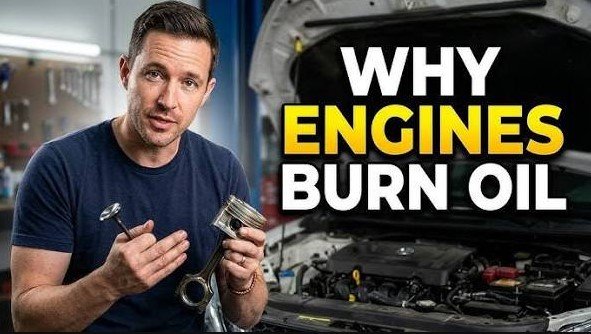
If you find yourself constantly topping off your oil, your vehicle is likely burning it due to internal wear or seal failure. Understanding why does my engine burn oil is essential for preventing catastrophic engine damage and ensuring your car stays reliable on the road in 2026.
Have you ever popped your hood, checked your dipstick, and felt that sinking feeling when the oil level is way lower than it should be? You aren’t alone. It is a common frustration for many drivers, especially as vehicles hit that mid-to-high mileage mark.
When you ask yourself, “why does my engine burn oil,” you are really asking about the health of your car’s most vital organs. Understanding this process is the first step toward saving your engine from an early grave.
In 2026, modern engines are more efficient than ever, but they are also more complex. While some minor oil consumption is considered “normal” by many manufacturers, excessive burning is usually a red flag.
Whether you drive a daily commuter or a rugged truck, oil is the lifeblood that keeps friction at bay. When that blood starts to vanish, things go downhill fast. Let us dive into the mechanics of why your engine might be consuming oil and what you can do about it.
Key Takeaways
- Worn Piston Rings: These are the most common culprits, allowing oil to leak into the combustion chamber where it burns away.
- Valve Seal Deterioration: When valve stem seals harden or crack, oil drips into the cylinders, often creating a puff of blue smoke at startup.
- PCV System Failure: A clogged Positive Crankcase Ventilation valve can build up pressure, forcing oil past seals and into the intake tract.
- High Mileage Wear: As engines age, components naturally lose their tight tolerances, leading to increased oil consumption.
- Oil Quality Matters: Using the wrong viscosity or low-quality oil can lead to increased volatility and faster consumption rates.
- Monitor Your Exhaust: Blue smoke from your tailpipe is a telltale sign that your engine is actively burning oil rather than just leaking it.
The Mechanics of Internal Combustion and Oil
To understand why does my engine burn oil, we first need to look at how an engine works. Your engine is essentially a series of small explosions happening thousands of times a minute. Inside these cylinders, oil has one job: keep everything moving smoothly without touching the flames of combustion. When oil enters this combustion space, it burns along with your gasoline, creating that characteristic blue smoke and leaving behind carbon deposits.
The Role of Piston Rings
Piston rings are the tiny metal seals that wrap around your pistons. They keep the oil in the bottom of the engine (the crankcase) and the explosions in the top (the combustion chamber). If these rings get worn out or stuck due to carbon buildup, they lose their seal. This allows oil to sneak past them during every stroke. Once that oil is in the combustion chamber, it is game over – it gets incinerated and pushed out of your tailpipe.
Cylinder Wall Integrity
The walls of your cylinders are not perfectly smooth; they have a microscopic “cross-hatch” pattern designed to hold a thin film of oil. Over time, these walls can get scratched or “glazed” over.
If the surface becomes too smooth or deeply scored, the piston rings cannot maintain a proper seal. This is a common issue in older engines that have seen a lot of stop-and-go driving, and it is a leading reason why does my engine burn oil.
Valve Stem Seals: The Silent Leakers
Deep inside your engine’s cylinder head, there are valves that open and close to let air in and exhaust out. Each valve has a tiny rubber seal that keeps oil from trickling down the valve stem and into the combustion chamber. Over time, these seals are subjected to massive heat cycles. They eventually become hard, brittle, or cracked.
Visual guide about Why Does My Engine Burn Oil
Image source: carproblemsolved.com
Symptoms of Bad Valve Seals
Have you ever noticed a big puff of blue smoke right when you start your car in the morning? That is a classic sign of bad valve seals. While your car is parked, oil slowly drips down the valve stems and pools on top of the pistons. When you turn the key, that pooled oil burns off instantly. It is a very specific type of oil consumption that tells you exactly where the problem lies.
The Repair Process
Fixing valve seals can be a bit labor-intensive. In some cases, mechanics can replace them without taking the whole engine apart, which saves a lot of money. However, if the stems themselves are worn, you might be looking at a larger repair. Addressing this quickly is vital because burning oil ruins spark plugs and clogs your catalytic converter, which is a very expensive part to replace.
PCV System Issues and Crankcase Pressure
The Positive Crankcase Ventilation (PCV) system is one of the most overlooked components under your hood. Its job is simple: it vents dangerous gases from the crankcase back into the intake to be burned cleanly. If the PCV valve gets stuck shut or the hoses get clogged, pressure builds up inside the engine. This pressure has to go somewhere, and it often pushes oil past your gaskets and seals.
Why PCV Matters in 2026?
Many modern 2026 vehicles utilize advanced oil separation systems. If these systems fail, oil vapor is pulled directly into the intake manifold in massive quantities. You might not see smoke, but you will notice your oil level dropping rapidly. Regularly checking your PCV valve is a cheap, easy piece of maintenance that can prevent the most common “why does my engine burn oil” scenarios.
Simple Maintenance Tips
Most PCV valves are inexpensive and easy to replace yourself. If your car is burning oil, try this first. It takes five minutes, requires basic tools, and can save you hundreds of dollars in unnecessary engine work. If the valve rattles when you shake it, it might still be good, but if it is gummed up, it needs to be replaced immediately.
The Impact of Oil Quality and Viscosity
Not all oils are created equal. Manufacturers recommend specific viscosities for a reason. If you use an oil that is too thin, it will slip past your seals and rings much easier than a thicker, high-quality synthetic oil. In 2026, many high-mileage oils contain specialized additives that help swell old, hardened seals, which can actually help stop minor burning.
Viscosity and Temperature
When an engine gets hot, oil thins out. If you are using a lower-grade oil, it might thin out too much, making it easier for the engine to “consume” it. If you are constantly asking why does my engine burn oil, check your owner’s manual. You might be due for a switch to a high-mileage formulation or a slightly thicker weight if the manufacturer allows it for your climate.
Synthetic vs. Conventional
Synthetic oils are far more stable under high heat than conventional oils. They don’t break down as quickly, and they don’t leave behind as much “sludge” or carbon. Using high-quality synthetic oil can significantly reduce the amount of oil your engine burns simply because the oil is more resistant to the volatility that leads to burning.
Turbochargers and Oil Consumption
If your car has a turbocharger, you have another major point of failure. Turbochargers spin at incredibly high speeds—up to 200,000 RPM—and they are lubricated and cooled by your engine oil. There is a delicate seal inside the turbo that keeps that oil from entering the intake or the exhaust.
Turbo Seal Failure
If the turbo seal fails, it can pump a significant amount of oil directly into the engine’s intake tract. This won’t just make your car burn oil; it can also cause serious performance issues and can even lead to a “runaway engine” if not caught in time. If you notice a whining sound from the turbo followed by blue smoke, get your car to a mechanic immediately.
Taking Care of Your Turbo
Turbo engines require frequent oil changes with high-quality synthetic oil. The oil inside the turbo is subjected to extreme temperatures, which can turn poor-quality oil into “coke” or solid carbon chunks. These chunks block the oil lines, causing the turbo to overheat and fail. Keep your oil clean, and your turbo will last much longer.
Conclusion: What Should You Do Now?
If you have been worried about why does my engine burn oil, start with the basics. Check for leaks, inspect your PCV system, and ensure you are using the correct oil for your vehicle. Monitor your exhaust and listen for strange noises. While some oil consumption in older cars is manageable, you should never ignore a sudden increase in consumption.
Keeping an eye on your oil levels is the single best way to extend the life of your vehicle in 2026. Do not wait for the oil light to turn on; by then, the damage may already be done. Stay proactive, stay informed, and treat your engine with the care it deserves. If the burning continues, a trip to a trusted professional for a compression test can give you the definitive answers you need to decide your next move.
Frequently Asked Questions
Is it normal for a car to burn some oil?
Many manufacturers consider a small amount of oil consumption (such as a quart every 3,000 to 5,000 miles) to be normal. However, if you are adding oil between every fuel fill-up, it likely indicates an underlying mechanical issue that needs attention.
Can I stop my engine from burning oil with additives?
Oil additives designed for “high-mileage” vehicles can sometimes help swell internal seals and reduce minor seepage or burning. However, these are a temporary fix and cannot repair significant mechanical damage like broken piston rings or scored cylinder walls.
What color is smoke from burning oil?
Smoke caused by burning oil is typically a distinct blue or bluish-grey color and often has a sharp, acrid smell. This is different from white smoke, which usually indicates coolant burning, or black smoke, which suggests the engine is running too rich on fuel.
How does a compression test tell me why my engine burns oil?
A compression test measures the pressure inside each cylinder. If one or more cylinders show low pressure, it strongly suggests that the piston rings or valves are worn out, providing a clear indication of why the engine is losing oil.
Does short-trip driving cause more oil burning?
Yes, short-trip driving prevents the engine from reaching its full operating temperature, which causes moisture and fuel to contaminate the oil. This dilution breaks down the oil’s effectiveness and can accelerate wear on the seals and rings over time.
Is it dangerous to drive a car that burns oil?
Driving a car that burns oil is dangerous if you let the levels drop too low, as this can lead to total engine failure from lack of lubrication. As long as you check the oil frequently and keep it topped off, you can drive safely, but you should still plan to have the root cause repaired.