
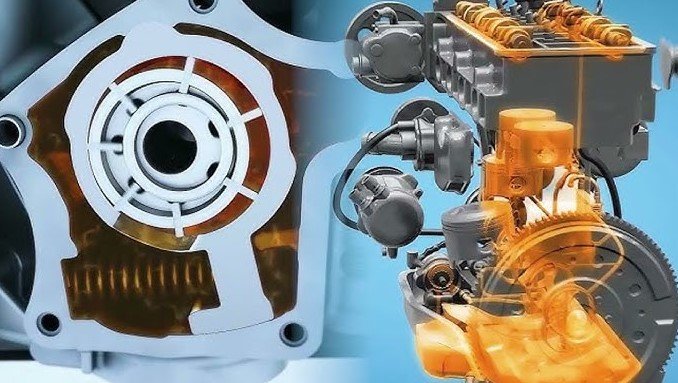
When your engine warms up, the oil inside thins out, which is a normal process that leads to a natural dip in pressure readings. However, if your gauge drops into the danger zone, it could signal worn bearings, a failing pump, or serious internal damage that needs immediate attention.
There is nothing quite as unsettling as glancing down at your dashboard during a long drive and seeing the oil pressure gauge start to head south. You might be cruising down the highway, enjoying the sunshine, when suddenly, you wonder: why does oil pressure drop when engine gets hot? It is a question that has puzzled many car owners over the years.
You are not alone if this has caused you a bit of a panic. In the world of 2026 automotive maintenance, understanding your car’s vitals is more important than ever. While technology has advanced, the fundamental relationship between heat and oil remains the same.
The good news is that a slight drop in pressure as your engine reaches operating temperature is usually a normal part of how a car functions. However, knowing the difference between “normal behavior” and “mechanical failure” is the key to keeping your vehicle on the road for the long haul.
Key Takeaways
- Natural Thinning: Oil is designed to thin out as it gets hot, which reduces friction and helps it flow through tight engine gaps.
- Viscosity Matters: Using the wrong weight of oil for your specific engine can cause pressure to drop too low when the temperature rises.
- Bearing Wear: If engine bearings have too much clearance, hot, thin oil escapes easily, causing a noticeable drop in pressure.
- Oil Pump Health: A tired oil pump may struggle to maintain pressure once the oil loses its thickness and becomes slippery.
- Monitoring Gauges: Always pay attention to your dashboard; a healthy engine usually shows a steady drop that stabilizes rather than disappearing entirely.
- Preventative Care: Regular oil changes with high-quality, manufacturer-recommended fluids are the best way to keep your pressure consistent.
The Science of Oil and Heat
To understand why does oil pressure drop when engine gets hot, we have to look at the chemistry of motor oil. Oil is a lubricant, but it is also a liquid that reacts to temperature. In the early days of driving, oil was simple. Today, modern synthetic blends are engineered to handle incredible heat, but the laws of physics still apply. When oil is cold, it is thick, like maple syrup. As it warms up, it becomes thin, like water.
The Concept of Viscosity
Viscosity is just a fancy word for how thick or thin a fluid is. Think of it as the oil’s resistance to flowing. When your engine is cold, the oil has a high viscosity. Because it is thick, the oil pump has to work harder to push it through the tiny passages of your engine.
This results in high pressure on your gauge. As the engine warms, the oil molecules spread out, and the oil becomes thinner. Thin oil moves more easily through the system, which naturally causes the pressure reading on your dashboard to dip.
Why Thinning is Actually Good
It might sound counterintuitive, but you actually want your oil to thin out as the engine gets hot. If the oil stayed as thick as syrup, it would not be able to squeeze into the tiny spaces between your pistons, bearings, and crankshaft.
If the oil cannot get into those tight gaps, it cannot do its job of keeping metal parts from rubbing against each other. So, when you ask why does oil pressure drop when engine gets hot, remember that this thinning is a design feature, not a bug.
When a Drop Becomes a Warning Sign?
While a dip is normal, a crash in oil pressure is a red flag. If your gauge shows the needle falling close to zero or the “check oil” light flickers while you are idling at a stoplight, your engine is trying to tell you something. This usually happens because the oil has become too thin for the engine’s current condition. If the internal components of your engine are worn down, they leave larger gaps than the engine designers intended.
The Role of Engine Bearings
Inside your engine, the crankshaft spins on components called bearings. These bearings are separated from the metal by a thin film of oil. Over time, these bearings wear down. When they wear, the space between the parts gets wider.
When your oil is hot and thin, it squirts out of these enlarged gaps very easily. This causes a sudden loss of pressure because the pump cannot keep up with the oil escaping out the sides of the bearings. If you notice the pressure is fine when you are driving fast but drops when you are stopped, worn bearings are often the culprit.
Oil Pump Fatigue
The oil pump is the heart of your engine. It is responsible for moving the oil through the entire system. Just like any other mechanical part, it can wear out. A pump that has seen many miles may have internal wear that prevents it from creating enough pressure once the oil is thin. When the oil is cold and thick, the pump might still manage to create decent pressure. But once the oil heats up and thins out, that worn pump just cannot maintain the flow anymore.
Selecting the Right Oil for Your Engine
One of the easiest ways to manage oil pressure issues is by using the right oil. Your owner’s manual is your best friend here. In 2026, we have a massive variety of oil weights available, from thin 0W-20 to thicker 10W-40.
If you live in a place with very hot summers, or if you drive an older vehicle, your mechanic might suggest a slightly different weight than what you used in the winter. However, you should never stray too far from the manufacturer’s recommendation.
The Dangers of Incorrect Viscosity
If you use an oil that is too thin, it will provide even less pressure when hot, potentially leading to metal-on-metal contact. On the flip side, using an oil that is too thick can make it hard for the engine to start on cold mornings and can starve the engine of lubrication in those first few critical seconds after ignition. Finding that “Goldilocks” zone is essential for consistent pressure readings.
Synthetic vs. Conventional
Synthetic oils are far more stable than conventional oils. They do not break down as quickly under extreme heat. Because they maintain their viscosity better than standard oil, they are less prone to extreme pressure drops. If you are experiencing pressure drops, switching to a high-quality synthetic oil might help stabilize your readings. It is a simple, cost-effective maintenance step that most drivers can handle at home.
The Impact of Engine Sludge and Filters
Sometimes, the problem isn’t the oil itself, but what is floating inside it. If you skip your oil changes, dirt, carbon, and tiny metal shavings start to build up. This grime can turn into a thick, gooey substance called sludge.
Sludge can clog your oil filter or block the oil pickup screen at the bottom of your oil pan. If the pump cannot pull oil through a clogged screen, the pressure will drop, especially when the engine is hot and the pump is working at lower idle speeds.
Importance of the Oil Filter
The oil filter catches the junk that circulates through your engine. If it gets completely full, it has a bypass valve that allows oil to keep flowing so your engine doesn’t run dry. However, dirty oil doesn’t lubricate as well as clean oil. Regularly changing your filter ensures that the oil flows freely and that your pressure stays where it needs to be. Never underestimate the power of a fresh filter.
Checking the Pickup Screen
If you have checked everything else and your pressure is still dropping, it might be time to look at the oil pickup screen. Over years of operation, debris can collect on this screen, making it harder for the pump to draw oil. This is a more involved repair that usually requires dropping the oil pan, but it is a common fix for older engines that seem to lose pressure only after they reach operating temperature.
Monitoring Your Engine Like a Pro
In our modern 2026 driving experience, we have more data than ever. Many newer vehicles have digital oil pressure monitoring systems. If your car is older, you might be relying on an analog gauge.
Either way, you should learn the “normal” behavior of your specific car. Every engine has a unique personality. Knowing what your pressure looks like on a cool morning versus a hot afternoon will help you spot a real problem before it becomes a disaster.
Listen to Your Engine
The gauge isn’t the only way to know if your pressure is failing. Listen for ticking, tapping, or knocking sounds. These sounds are often the result of parts rubbing together because they aren’t getting enough oil. If you hear a light clicking that gets faster when you rev the engine, check your oil immediately. If you hear a deep, heavy knocking, that is a sign of internal bearing damage, and you should pull over and turn the engine off right away.
The Value of Proactive Maintenance
The best way to avoid asking “why does oil pressure drop when engine gets hot” is to avoid the drop entirely through proactive maintenance. Keep up with your oil change intervals. If you notice your oil level is low, top it off. Most engines consume a tiny amount of oil over time, and a low oil level means the pump has less volume to work with, which can lead to lower pressure readings once the engine warms up.
Conclusion
The question of why does oil pressure drop when engine gets hot is rooted in the basic science of how fluids behave under heat. As your engine warms up, your oil thins, and that creates a natural, expected decline in pressure. This is a sign that your lubrication system is doing exactly what it was designed to do: getting into the tiny spaces that keep your engine running smoothly.
However, if that drop becomes a plunge, or if your gauge sits uncomfortably low, it is time to take action. From simple fixes like high-quality synthetic oil and fresh filters to more involved repairs like replacing worn bearings or an old pump, you have the power to protect your investment. Keep an eye on your gauges, listen to what your car is telling you, and stay diligent with your service schedule. Your engine will thank you for years to come.
Frequently Asked Questions
Is it normal for my oil pressure to drop when I stop at a light?
Yes, it is often normal for the needle to dip when the engine is at idle compared to when you are driving at high speeds. Because the oil pump is driven by the engine, it moves slower at idle, and the thinner, hot oil flows out of the engine passages more easily.
What oil pressure is considered “too low”?
Generally, most engines need at least 10 PSI for every 1,000 RPM. If your pressure drops below the manufacturer’s specified minimum for idle often around 5 to 10 PSI you should have it inspected by a professional immediately.
Could a bad sensor be the reason for my pressure drop?
Absolutely. Sometimes the oil pressure sending unit, which sends the signal to your dashboard, goes bad and provides a false reading. If your engine sounds quiet and runs fine, a faulty sensor is a very strong possibility.
Should I use thicker oil to keep my pressure high?
It is best to stick with the viscosity recommended in your owner’s manual. Using oil that is too thick can cause damage during cold starts and may prevent proper lubrication in modern engines with tight tolerances.
How often should I check my oil level?
You should check your oil level at least once a month or before any long road trip. Low oil levels can lead to aeration and reduced pressure, which mimics the symptoms of a worn-out engine.
What should I do if the oil pressure warning light comes on?
If the light comes on, you should pull over safely and turn off the engine immediately. Driving with low oil pressure can cause catastrophic engine failure in a matter of minutes, so it is better to be safe and call for a tow.