
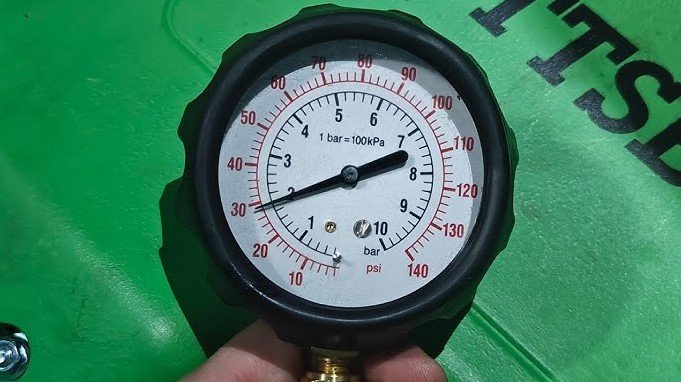
Understanding your engine’s oil pressure is the key to preventing catastrophic failure. While every manufacturer has specific requirements, a healthy diesel engine typically operates between 25 and 65 PSI depending on its load and operating temperature.
If you are a diesel owner in 2026, you know that the hum of your engine is the heartbeat of your vehicle. Whether you are hauling heavy equipment, towing a camper, or just commuting, that oil pressure gauge on your dashboard is the most important monitor in your cabin. People often ask, what should the oil pressure be on a diesel engine? It is a great question because the answer is not just one simple number.
Diesel engines are built to handle immense pressure and torque, but they rely entirely on a thin film of oil to keep metal parts from grinding themselves into dust. If that pressure fails, your engine’s life is measured in seconds, not miles. In this guide, we will break down what you need to know to keep your rig running smooth and avoid those expensive shop visits.
Key Takeaways
- The Golden Rule: Always check your owner’s manual, as “normal” varies wildly between modern common-rail diesels and vintage mechanical engines.
- Idle vs. Load: Expect your oil pressure to drop significantly at idle and rise steadily as your RPMs increase under a load.
- Temperature Matters: Oil thins as it heats up, meaning your pressure reading will naturally be lower after a long drive compared to a cold morning start.
- Warning Signs: A sudden drop to zero or a flickering light is an emergency; shut the engine down immediately to prevent total internal destruction.
- Monitoring Trends: It is better to watch for a slow, steady decline in pressure over months than to panic over a single momentary fluctuation.
- Maintenance First: Using the wrong oil viscosity or a clogged filter is the most common cause of “fake” pressure issues.
Understanding the Basics of Diesel Oil Pressure
To understand what should the oil pressure be on a diesel engine, you first need to understand what the oil is actually doing. Your oil pump is constantly pushing lubricant through tiny passages in the engine block, cylinder head, and crankshaft bearings. The “pressure” you see on your gauge is simply the resistance the oil meets as it flows through those tight spaces.
Why Pressure Changes While Driving
Think of your oil pump like a water hose. When you rev your engine, the pump spins faster, forcing more oil through the system. This increases the pressure. When you are sitting at a red light, the engine is spinning slowly, so the pump pushes less oil, and the pressure reading drops. This is completely normal and expected behavior for any healthy diesel engine.
The Impact of Operating Temperature
In 2026, we have some incredible synthetic oil technology, but the laws of physics remain the same. Oil is thick when cold and thin when hot. When you start your truck on a frosty morning, your gauge might show very high oil pressure because the thick, cold oil is fighting to get through the narrow passages.
As the engine warms up, the oil thins out, and the pressure will settle into its normal operating range. This is why you should always wait for your engine to reach operating temperature before putting it under heavy load.
What Should the Oil Pressure Be on a Diesel Engine During Normal Use?
While the exact numbers depend on your specific model, most heavy-duty diesel engines follow a fairly standard pattern. If you are cruising down the highway, you should generally see a consistent reading that sits firmly in the middle of your gauge’s safe zone.
Visual guide about What Should the Oil Pressure Be on a Diesel Engine
Image source: rerev.com
The Idle Range
When you are stopped at a light, do not be alarmed if your gauge shows a lower number. For most diesel engines, a pressure reading of 10 to 20 PSI at a warm idle is perfectly acceptable. If the needle stays above the “danger zone” and does not flicker, your engine is getting the lubrication it needs to stay alive while idling.
The Under-Load Range
Once you start driving and your RPMs climb above 2,000, your oil pressure should rise. You will typically see it climb to 40, 50, or even 65 PSI. If you are towing a heavy trailer and working the engine hard, it is common to see these higher numbers. As long as your pressure stays within the manufacturer’s suggested operating range, your engine is happy.
Common Causes for Abnormal Oil Pressure
Sometimes, you might look at your gauge and realize it is telling a story you do not like. Maybe it is lower than it used to be, or maybe it is erratic. Before you panic, consider these common culprits that often answer the question of what should the oil pressure be on a diesel engine if it is not looking right.
The Wrong Viscosity Oil
Using the wrong oil is the easiest way to mess up your pressure readings. If you use oil that is too thin, your pressure will be lower than it should be because the oil flows too easily without creating the necessary resistance. Always stick to the viscosity recommended by your manufacturer, especially if your truck is newer.
Clogged Oil Filters
A dirty oil filter can restrict the flow of oil. While this might sound like it would increase pressure, a severely clogged filter can cause the bypass valve to open or prevent the proper volume of oil from reaching vital components. Always change your oil and filter on schedule to keep your pressure consistent.
Worn Engine Bearings
If you notice a slow, gradual decline in oil pressure over many months or years, it could be a sign of internal wear. As the main bearings in your engine wear down, the gaps between the metal parts grow larger. Oil flows through these gaps too easily, which causes your oil pressure to drop. This is a common sign of a high-mileage engine that may eventually need a rebuild.
How to Monitor Your Gauges Like a Pro?
Being a good owner means knowing your truck’s “personality.” In 2026, many vehicles have digital dashboards, but the principles of monitoring remain the same. You need to establish a baseline for your specific engine.
Establish a Baseline
When your engine is healthy and has fresh oil, take note of what your gauge says during a cold start, at a warm idle, and at highway speeds. Write these down or memorize them. If you know that your truck normally idles at 15 PSI, you will immediately know something is wrong if it suddenly drops to 5 PSI one day.
The Importance of Real-Time Monitoring
If you use your diesel for towing, consider adding an auxiliary oil pressure gauge. Factory gauges are often “idiot lights” or smoothed-out digital readouts that hide momentary fluctuations. A high-quality mechanical or dedicated electronic gauge will give you a much more accurate picture of exactly what is happening inside the block.
When to Stop and Seek Help
There is a big difference between a gauge that looks a bit different and an engine that is failing. Knowing when to pull over is vital for saving your engine block from becoming a very expensive paperweight.
Sudden Drops to Zero
If your oil pressure suddenly drops to zero while you are driving, pull over safely and shut the engine off immediately. Do not wait to see if it comes back up. A sudden drop to zero usually means the pump has failed, the pickup tube is blocked, or you have lost all your oil due to a leak. Running the engine without oil pressure will cause a “seized” engine in less than a minute.
The Flickering Warning Light
If you have a dashboard light that flickers, it is often a sign of a failing oil pressure sensor (sending unit). However, never assume it is just the sensor. Check your oil level first. If the oil level is correct and the light is flickering at idle, it is time to have a mechanic check the actual pressure with a manual test gauge to see if the issue is electrical or mechanical.
Conclusion
So, what should the oil pressure be on a diesel engine? By now, you know that there isn’t just one magic number. It depends on your RPM, your temperature, and your specific engine model. However, the most important takeaway is that consistency is king. When you know your engine’s normal ranges, you are empowered to catch small problems before they turn into major repairs.
Keep up with your regular oil changes, use the high-quality synthetic oils designed for today’s diesel engines, and pay attention to those gauges. A well-maintained diesel engine is built to last for hundreds of thousands of miles, and by keeping an eye on your oil pressure, you are ensuring your truck will be on the road for years to come.
Frequently Asked Questions
What is the most common cause of low oil pressure at idle?
The most common cause is simply the natural thinning of oil due to high operating temperatures. However, if it drops below the manufacturer’s specified minimum, it can indicate a worn oil pump or bearing wear in high-mileage engines.
Can cold weather cause high oil pressure readings?
Yes, because oil is thicker when it is cold, it creates more resistance to flow, which results in higher pressure readings on your gauge. This usually levels out once the engine oil reaches its normal operating temperature.
Should I worry if my oil pressure gauge fluctuates slightly?
Minor fluctuations in response to changes in RPM or engine load are perfectly normal and expected. You should only be concerned if the needle behaves erratically, drops suddenly, or stays significantly outside of the manufacturer’s recommended range.
Is it better to have high oil pressure or low oil pressure?
Neither extreme is ideal, as both can signal different problems. You want your engine to operate within the specific “safe” range defined in your owner’s manual; pressure that is consistently too high can damage seals, while pressure that is too low starves the engine of lubrication.
How often should I check my oil pressure gauge?
You should glance at your gauges every few minutes while driving, just as you check your speed or fuel level. Developing the habit of watching your oil pressure ensures you will notice a trend of declining pressure before it becomes a critical failure.
What should I do if my “Check Oil” light comes on?
Pull over to a safe location, turn off the engine, and check your oil level on the dipstick immediately. If the level is fine but the light stays on, do not drive the vehicle, as it indicates a loss of oil pressure that will destroy your engine quickly.