
Introduction
Car seats are important for babies because a vehicle’s seat belt cannot safely fit a small body. In a crash, an infant can be thrown forward, struck by the vehicle interior, or ejected from the vehicle. A properly chosen and installed car seat spreads crash forces across stronger parts of the baby’s body and helps keep the child inside the vehicle.
In the United States, the American Academy of Pediatrics (AAP), the National Highway Traffic Safety Administration (NHTSA), and the Centers for Disease Control and Prevention (CDC) all support using an age- and size-appropriate child restraint on every trip. The safest seat is not simply the most expensive model. It is one that fits the baby, fits the vehicle, meets federal standards, and is used correctly every time.
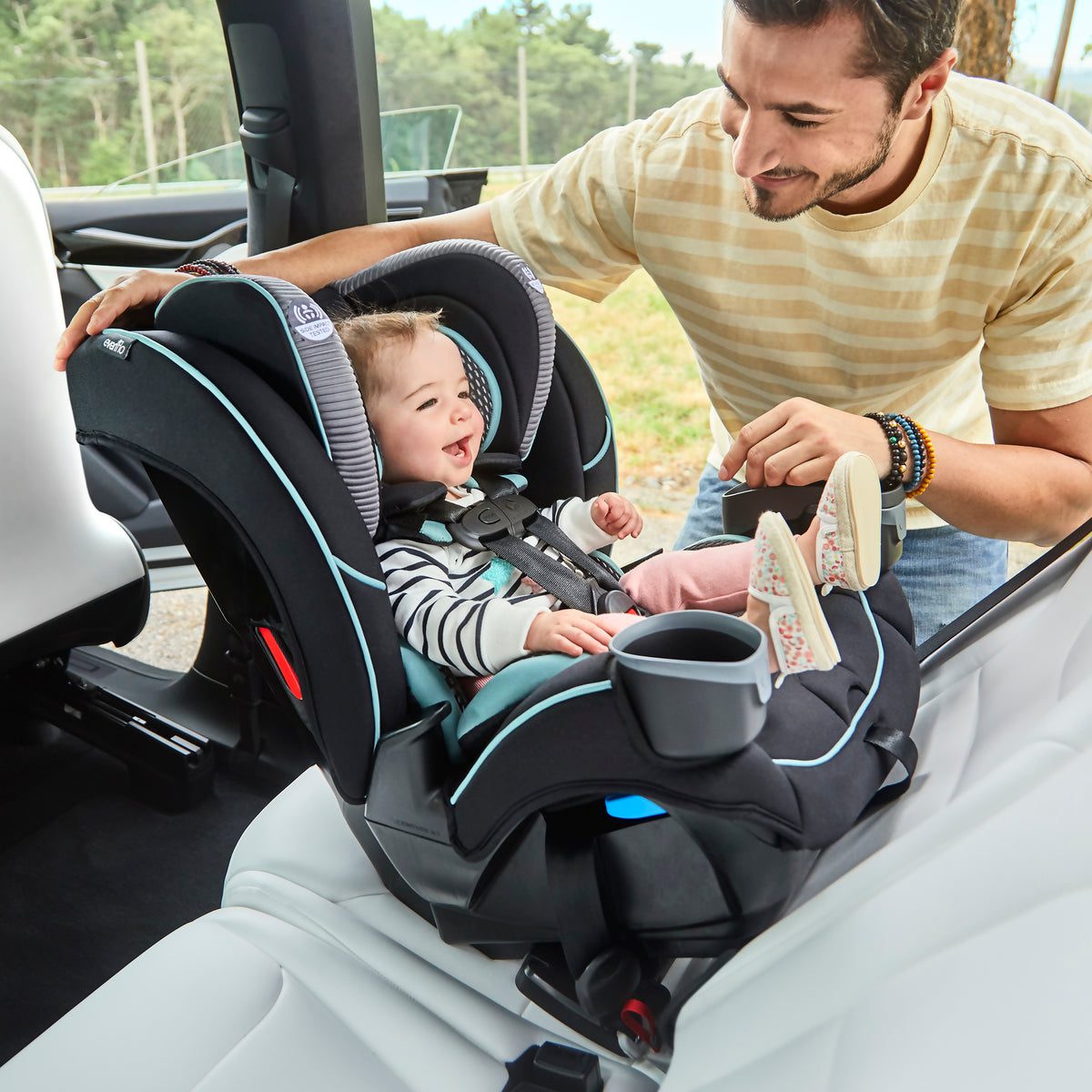
How Car Seats Protect Babies in a Crash
A car seat acts as a protective shell and restraint system. It holds the baby in a controlled position while the vehicle and the seat slow down during a collision.
Babies have large heads, weak neck muscles, and developing bones. Their bodies are not ready to manage the force that an adult seat belt can create. A properly used car seat helps by:
- Reducing the chance of ejection.
- Supporting the baby’s head, neck, and spine.
- Spreading crash forces over the back, shoulders, chest, and hips.
- Keeping the child away from hard surfaces inside the vehicle.
- Providing a harness that fits a small body better than a vehicle seat belt.
A rear-facing car seat supports the baby’s entire back, head, and neck during a frontal crash. The seat moves with the child and helps spread the force over a broad area. This is why rear-facing travel is recommended for infants and young toddlers.
A car seat cannot prevent every injury. No restraint can remove all crash risk. However, using the correct restraint correctly gives a baby far more protection than traveling in an adult seat belt, on an adult’s lap, or unrestrained.

Why Babies Should Ride Rear-Facing
Babies should ride rear-facing because this position gives the best support to their head, neck, and spine. The AAP recommends keeping children rear-facing as long as possible, until they reach the highest height or weight limit allowed by the car seat manufacturer.
Rear-facing does not mean only using a small infant carrier. Many convertible car seats allow rear-facing use for several years, depending on the model’s limits. Parents should check the seat manual rather than switch a child based only on age.
A baby may look crowded when the legs bend or touch the vehicle seat. This is usually not a reason to turn the seat forward. Children can safely bend their legs in a rear-facing seat when the seat is installed and used according to its instructions.
Rear-facing safety rules
- Place the harness straps at or below the baby’s shoulders.
- Keep the baby’s back and bottom flat against the seat.
- Tighten the harness so it passes the pinch test; you should not be able to pinch extra webbing at the shoulder.
- Position the chest clip at armpit level, if the seat has one.
- Remove bulky coats and blankets from under the harness.
- Keep the seat rear-facing until the child reaches the seat’s stated rear-facing limit.
- Never place a rear-facing seat in front of an active passenger airbag.

Car Seats Are Required by U.S. Law
All 50 states and the District of Columbia have child passenger safety laws, but the details differ. State rules may set different requirements for rear-facing seats, forward-facing seats, booster seats, age limits, and seating positions.
Parents must follow the law where the vehicle is traveling. State law is a minimum requirement, not always the safest possible practice. For example, a law may permit forward-facing travel before a child reaches the maximum rear-facing limit of the car seat.
The NHTSA provides links to state child passenger safety laws and guidance. Parents should also check their state transportation agency or highway safety office for current rules.
Federal Motor Vehicle Safety Standard (FMVSS) 213 sets performance requirements for child restraint systems sold for use in motor vehicles in the United States. A label showing compliance means the seat is regulated under the federal standard. It does not mean the seat is risk-free or that every seat fits every vehicle.

What Type of Car Seat Does a Baby Need?
The right car seat depends on the baby’s size, the seat’s limits, and the vehicle. Parents generally choose among three types.
| Car seat type | Typical use | Main advantage | Important limit |
|---|---|---|---|
| Infant-only seat | Rear-facing infants and small babies | Often has a removable carrier | Must be replaced when the child reaches its limits |
| Convertible seat | Rear-facing, then forward-facing | Can serve a child for several stages | Usually stays in the vehicle |
| All-in-one seat | Rear-facing, forward-facing, and sometimes booster use | May last through more stages | Can be larger and harder to move between vehicles |
An infant-only seat may be useful for families who want a carrier that clicks into a compatible stroller. A convertible seat may be more practical for families who want one seat that stays installed.
No seat is automatically safer because it has more modes or costs more. The key factors are proper fit, correct installation, appropriate use, and following the manual.
How to choose a seat
Before buying, check:
- The baby’s current height and weight.
- The seat’s rear-facing height and weight limits.
- The vehicle’s seating position and available installation method.
- Whether the seat fits the vehicle without blocking the driver’s safe position.
- Whether the model has a current registration and recall process.
- Whether every caregiver can use the seat correctly.
If possible, try the seat in the vehicle before removing tags or packaging. Vehicle-seat compatibility can vary, especially in small cars, pickup trucks, and vehicles with unusual seat shapes.

How to Install a Baby’s Car Seat Correctly
Correct installation is essential because a car seat cannot protect a baby well if it moves too much or is used with the wrong harness settings.
The exact steps depend on the seat and vehicle manuals. The following process gives a safe starting point:
1. Read both manuals
Read the car seat manual and the vehicle owner’s manual. The vehicle manual explains approved seating positions, lower anchors, seat belts, and airbag warnings. The car seat manual explains recline settings, harness slots, weight limits, and installation methods.
2. Choose a suitable seating position
The back seat is generally the safest place for a child. Never place a rear-facing car seat in front of an active airbag.
The center rear position is not automatically safest. Use it only if the vehicle and car seat manuals allow a secure installation there.
3. Select one approved installation method
Most seats can be installed with either the vehicle seat belt or the lower anchors. Use the method allowed by both manuals. Do not use both systems together unless the car seat manufacturer specifically permits it.
4. Set the correct recline angle
Infant seats need the proper recline angle to support the baby’s head and help keep the airway open. Use the angle indicator or instructions on the seat. Do not guess based on appearance.
5. Check for movement
After installation, hold the seat near the belt path—not at the top—and pull it from side to side and front to back. It should move no more than about 1 inch in any direction at the belt path, according to NHTSA guidance.
6. Secure the baby
Place the baby’s bottom and back against the seat. Tighten the harness so there is no slack at the shoulders. Keep the chest clip at armpit level, and check that the harness straps are routed through the correct slots.
A certified Child Passenger Safety Technician (CPST) can check the installation and teach caregivers how to use the seat. NHTSA provides a directory for finding inspection stations and technicians in the United States.

Common Car Seat Mistakes That Put Babies at Risk
Many car seat problems come from small errors rather than a lack of care. Caregivers often need clear instructions, practice, and a second check.
Loose harness straps
A loose harness may allow a baby to move too far during a crash. Tighten the straps until you cannot pinch extra webbing near the shoulder.
Bulky clothing under the harness
Thick coats can compress in a crash and leave dangerous space between the baby and the harness. Dress the baby in thin layers, buckle the harness tightly, and place a blanket over the harness if needed.
Using a car seat as a sleep space
Car seats are designed for travel, not routine sleep outside a vehicle. The AAP advises moving a sleeping baby to a firm, flat sleep surface when practical. Never place a car seat on a table, countertop, bed, couch, or other elevated surface.
Using aftermarket accessories
Head supports, strap covers, liners, and toys that did not come with the seat may change how the harness works. Use only items approved by the car seat manufacturer.
Turning the seat forward too soon
A child’s legs touching the vehicle seat, or a child appearing tall, does not by itself mean the rear-facing limit has been reached. Check the stated height and weight limits.
Buying an unknown used seat
Avoid a used car seat if you cannot confirm its history. Do not use one that has been in a moderate or severe crash, is missing parts or instructions, has visible damage, is expired under the manufacturer’s guidance, or has an unresolved recall.
When Should a Baby Move to the Next Car Seat Stage?
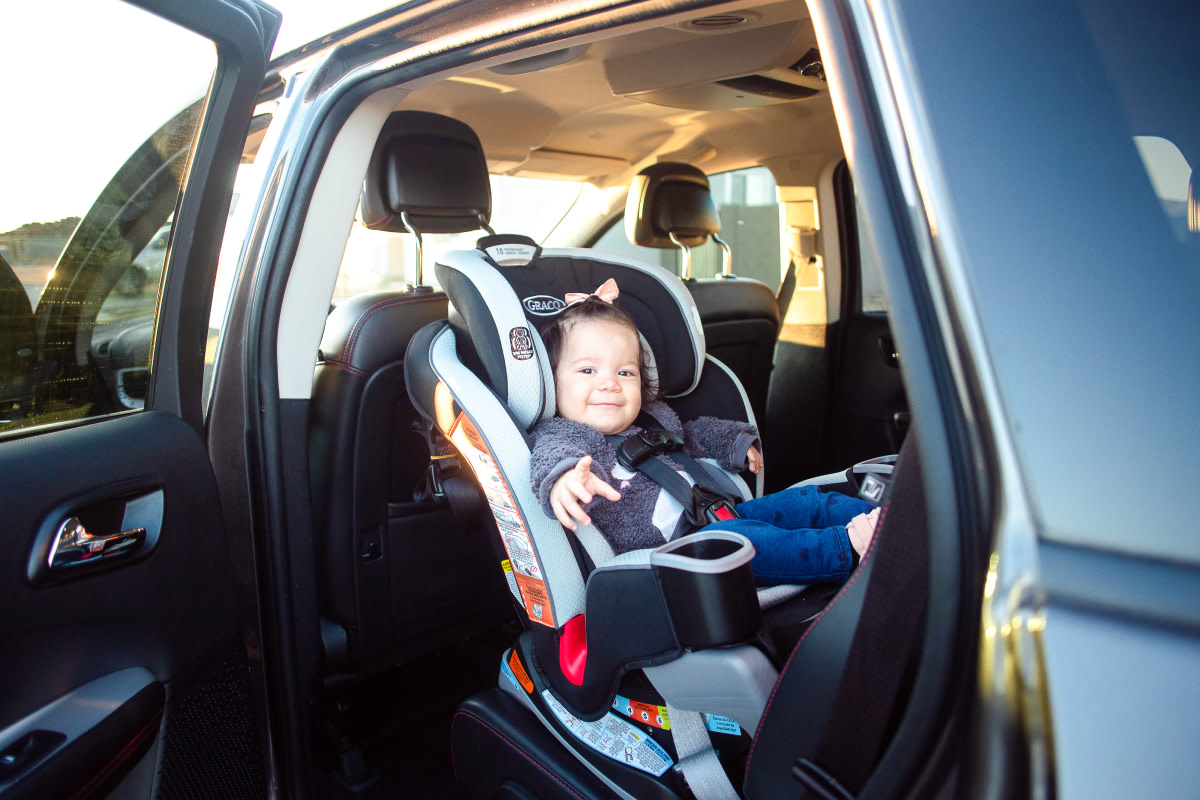
A baby should move to the next stage when the child reaches the current seat’s stated height or weight limit—not simply because the child reaches a certain birthday.
The usual progression is:
- Rear-facing seat: Use from the first ride home until the child reaches the rear-facing limit.
- Forward-facing seat with a harness: Use after the child outgrows the rear-facing limits.
- Booster seat: Use after the child outgrows the forward-facing harness limits and can sit correctly.
- Vehicle seat belt alone: Use when the belt fits properly without a booster.
A child is ready for a seat belt when the lap belt lies flat across the upper thighs, the shoulder belt crosses the chest and shoulder, the child’s back rests against the vehicle seat, the knees bend at the seat edge, and the child can stay seated correctly for the whole ride.
Many children need a booster seat until they are about 4 feet 9 inches tall, often between ages 8 and 12. The correct timing varies by the child and the vehicle.

How to Keep a Car Seat Safe Over Time
Car seat safety continues after installation. Caregivers should inspect the seat and review its instructions as the child grows.
Check the seat regularly for:
- A loose or damaged harness.
- Cracked plastic or missing parts.
- Frayed straps.
- A changed recline position.
- A child who has reached the height or weight limit.
- A recall or manufacturer safety notice.
Register the seat with the manufacturer. Registration helps the company contact the owner about recalls or safety updates. Parents can also check recalls through the NHTSA website.
After a crash, follow the car seat manufacturer’s replacement instructions. NHTSA advises replacing a car seat after a moderate or severe crash. A minor crash may meet specific conditions, but parents should confirm those conditions with the manufacturer.

Key Takeaways
- Car seats protect babies by securing the body and spreading crash forces.
- Rear-facing travel best supports a baby’s head, neck, and spine.
- Keep a child rear-facing until reaching the seat’s maximum rear-facing height or weight limit.
- Install the seat according to both the car seat and vehicle manuals.
- Use the back seat and never place a rear-facing seat before an active airbag.
- Tighten the harness, remove bulky coats, and use the chest clip correctly.
- Follow current U.S. state law, but consider safer practices that go beyond the legal minimum.
- Have a certified Child Passenger Safety Technician check the installation when possible.
Frequently Asked Questions
Can a baby ride in a car without a car seat?
No. A baby should not ride in a vehicle without an appropriate child restraint. An adult’s arms cannot hold a baby safely during a sudden stop or crash, even at low speed.
Is an infant car seat safer than a convertible car seat?
Neither type is automatically safer. Both can provide protection when they meet federal requirements, fit the baby and vehicle, and are installed and used correctly. The better choice is the one caregivers can use properly on every trip.
Can a rear-facing car seat go in the front seat?
A rear-facing car seat should not be placed in front of an active passenger airbag. The safest practice is to use the back seat. If a vehicle has no back seat, follow the vehicle manual and deactivate the passenger airbag if the vehicle allows it.
Should a baby wear a winter coat in a car seat?
A baby should not wear a bulky coat under the harness. Thick material can compress and make the harness too loose. Use thin layers and place a blanket over the secured harness.
How can I get help installing a car seat?
Use NHTSA’s child passenger safety inspection directory to find a certified Child Passenger Safety Technician or inspection station. Bring the car seat and vehicle manuals to the appointment.
Conclusion
Car seats are important for babies because babies need support that an adult seat belt cannot provide. A rear-facing car seat, installed correctly and used on every trip, helps protect the baby’s head, neck, spine, and body during a crash.
The next step is simple: check the seat’s rear-facing limits, read both manuals, inspect the harness fit, and arrange a professional installation check if you are unsure. For current U.S. guidance, consult NHTSA’s child passenger safety resources, the American Academy of Pediatrics car seat guidance, and your state’s child passenger safety law.