
For most compatible Corolla engines, Valvoline Advanced Full Synthetic 5W-30 offers strong daily protection and year-round value.
A Toyota Corolla can run for many years, but only when its oil matches the engine and driving needs. Choosing the wrong viscosity may affect cold starts, fuel use, or warranty care. I compared five popular Valvoline oils for different Corolla ages, mileages, and engine conditions. Always check the owner’s manual first, since Toyota oil grades can vary by model year and engine. The picks below make it easier to find the best engine oil for Toyota Corolla ownership.
See the differences between my top picks at a glance.
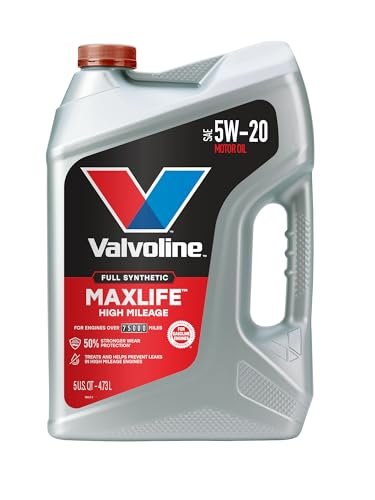
Valvoline MaxLife Full Synthetic 5W-20

Valvoline MaxLife Full Synthetic 5W-20 is made for engines with 75,000 miles or more. Its full synthetic base gives it a strong edge in cold starts, heat control, and clean engine operation. The 5W-20 grade flows well in cold weather while still protecting parts at normal engine temperature. That makes it a good match for Corolla owners whose manual calls for 5W-20.
The formula also uses seal conditioners. These may help keep aging seals flexible and reduce small leaks or oil use. This is not a repair for a damaged gasket, but it can help an older engine stay more stable between oil changes. I see this as the strongest high-mileage choice when a Corolla needs 5W-20 and the owner wants full synthetic protection.
Pros:
- Full synthetic formula for strong daily protection
- Suitable for many high-mileage engines that require 5W-20
- Seal conditioners may help reduce minor leaks
- Good cold-start flow in the correct climate and engine application
- Designed to help limit oil consumption in aging engines
- Useful for city traffic, highway trips, and mixed driving
Cons:
- Not the right viscosity for every Corolla model year
- Costs more than a conventional or synthetic-blend option
- Seal conditioners cannot fix serious leaks or worn engine parts
What Amazon Buyers Are Saying
Customer review patterns commonly focus on easy pouring, smooth engine operation, and the value of buying a five-quart jug. High-mileage vehicle owners often like the focus on leaks and oil use. Some buyers also report that the oil remains clean during normal service intervals. As with any marketplace product, check the current listing, packaging, and recent reviews before ordering because formulas and seller fulfillment can change.
My Recommendation
I recommend this oil for a high-mileage Corolla that specifically requires SAE 5W-20. It combines the useful features of a high-mileage formula with the cleaner operation and heat control many drivers want from full synthetic oil. It is worth buying when the price fits your maintenance plan.
| Category | Rating |
|---|---|
| High-mileage support | 4.8/5 |
| Cold-start performance | 4.6/5 |
| Engine cleanliness | 4.7/5 |
| Value | 4.5/5 |
| Overall Rating | 4.7/5 |
Valvoline MaxLife Synthetic Blend 5W-20
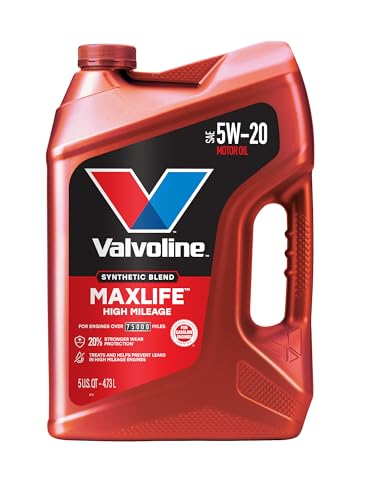
This MaxLife synthetic blend uses SAE 5W-20 and targets engines with more miles behind them. A blend can offer a useful balance between price and protection. It suits drivers who want a high-mileage oil but do not need to pay for a full synthetic formula at every service. The viscosity is important, so confirm that your Corolla manual lists 5W-20 before placing an order.
Valvoline positions this oil for aging engines, leaks, and oil consumption. Those features can matter in an older Corolla that still runs well but needs more frequent level checks. I would choose it for a budget-minded owner who follows a regular oil change schedule and wants extra high-mileage support. It is not a reason to extend the change interval beyond Toyota’s guidance.
Pros:
- Usually offers a lower-cost route to high-mileage protection
- Uses the common 5W-20 grade for compatible Corolla engines
- Designed to support aging seals
- May help minimize oil consumption in worn engines
- Works well for routine commuting and family driving
- Easy choice for owners who prefer a synthetic blend
Cons:
- Less premium than a full synthetic oil
- Not suitable when the owner’s manual calls for another viscosity
- May not be the best pick for severe heat, towing, or long service intervals
What Amazon Buyers Are Saying
Buyers often mention the attractive price, the large jug size, and the convenience of using it in older cars. Reviews for high-mileage oils commonly include positive comments about quieter operation or stable oil levels, though these results vary by engine condition. Some shoppers dislike price changes or damaged packaging during delivery. I suggest checking seller ratings and the latest product page before purchase.
My Recommendation
This is a practical buy for a Corolla owner who needs 5W-20 and wants high-mileage features at a reasonable cost. I would use it for normal service intervals and inspect the oil level often in an older engine. It earns a strong value score, but full synthetic oil remains the better upgrade for severe use.
| Category | Rating |
|---|---|
| High-mileage support | 4.5/5 |
| Everyday performance | 4.4/5 |
| Cold-weather flow | 4.4/5 |
| Value | 4.7/5 |
| Overall Rating | 4.5/5 |
Valvoline MaxLife Synthetic Blend 5W-30
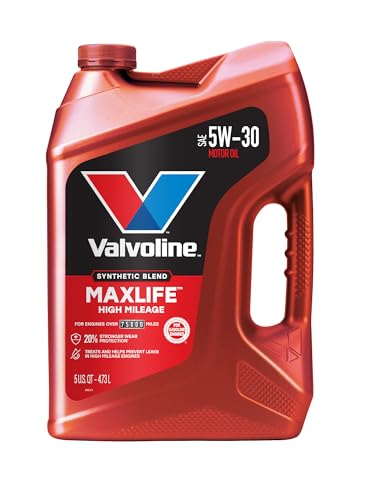
Valvoline MaxLife 5W-30 Synthetic Blend targets higher-mileage vehicles that need SAE 5W-30. The thicker operating grade can suit Corolla engines where Toyota specifies 5W-30, especially in certain older model years or driving conditions. This oil includes high-mileage additives that aim to support seals and reduce oil use. It gives owners a simple way to match a 5W-30 requirement while addressing age-related concerns.
I like this option for an older Corolla that has mild seepage or uses a little oil between changes. The synthetic blend keeps the cost more controlled than a full synthetic product. Still, a thicker oil should never replace the grade listed in the manual. If your Corolla calls for 0W-20, do not switch to 5W-30 just because the car has high mileage without confirming the correct application.
Pros:
- Useful high-mileage choice for compatible 5W-30 engines
- Supports seals in older engines
- May help reduce minor oil consumption
- Balances price and added high-mileage features
- Good fit for mixed city and highway use
- Available in a convenient five-quart container
Cons:
- Not intended for every Toyota Corolla engine
- Synthetic blend may offer less heat reserve than full synthetic oil
- Cannot correct a major leak, low compression, or mechanical wear
What Amazon Buyers Are Saying
Common buyer comments center on smooth engine feel, reasonable cost, and confidence in a known oil brand. Drivers with older vehicles often value the high-mileage focus and report that the oil works well during normal changes. Some buyers may find the bottle hard to pour or notice that delivery packaging varies. These are product-use and shipping concerns, not proof that every Corolla will show the same result.
My Recommendation
I recommend this product for a higher-mileage Corolla whose manual calls for 5W-30. It is a sensible middle ground for owners who want more than a basic oil but want to manage maintenance costs. Buy it when the viscosity matches the engine, and keep the change interval conservative.
| Category | Rating |
|---|---|
| High-mileage support | 4.6/5 |
| 5W-30 suitability | 4.6/5 |
| Leak and oil-use support | 4.5/5 |
| Value | 4.6/5 |
| Overall Rating | 4.6/5 |
Valvoline MaxLife 150K 10W-30

MaxLife High Mileage+ 150K 10W-30 is aimed at engines with more than 150,000 miles. It includes seal conditioners and anti-wear moly protection. The 10W-30 grade is thicker during cold starts than 5W-30, so application matters even more here. This oil belongs on the shortlist only when the Corolla manual or a qualified technician confirms that 10W-30 is suitable.
For a very high-mileage engine, the focus on seals and oil consumption can be useful. It may suit an older Corolla with stable but noticeable oil use, especially in a warmer climate. However, I would not use it as a universal “thicker is better” solution. Modern engines often need low-viscosity oil for proper flow and fuel efficiency, so the owner’s manual must lead the decision.
Pros:
- Designed for vehicles with 150,000 miles or more
- Includes seal conditioners for aging engines
- Provides anti-wear moly support
- Targets oil use and minor leak concerns
- Useful for compatible older engine designs
- Offers a focused choice for extreme high-mileage maintenance
Cons:
- 10W-30 will not suit every Corolla engine
- May flow more slowly in cold weather than a 5W grade
- High-mileage additives cannot restore worn internal parts
- Less suitable for newer Corolla engines that require a low-viscosity oil
What Amazon Buyers Are Saying
Buyers who choose this product usually focus on older vehicles, oil use, and the 150,000-mile target. Review themes often include a smooth-running engine and interest in the moly and seal-conditioning package. Some customers question whether 10W-30 is right for their vehicle, which is a valid concern. I recommend reading the label and checking the vehicle manual rather than relying only on mileage.
My Recommendation
This is a specialized product, not my general pick for every Corolla. I recommend it only for a very high-mileage Corolla that allows 10W-30. When that condition is met, it offers useful age-focused features. For most newer cars, choose the specified 0W-20, 5W-20, or 5W-30 oil instead.
| Category | Rating |
|---|---|
| 150K-mile focus | 4.8/5 |
| Seal support | 4.6/5 |
| Cold-weather flexibility | 3.9/5 |
| Application range | 3.9/5 |
| Overall Rating | 4.3/5 |
Valvoline Advanced Full Synthetic 5W-30

Valvoline Advanced Full Synthetic 5W-30 is the most balanced option in this review. It focuses on engine life, wear protection, deposit control, and heat protection. Full synthetic oil handles temperature changes well and helps keep engine parts lubricated during daily starts. For a Corolla that specifies 5W-30, this product is an excellent routine choice.
This oil does not target high-mileage seals as directly as the MaxLife products. That can be a benefit for a newer or well-maintained Corolla with no leak concern. It is also a strong fit for drivers who deal with traffic, hot summers, highway miles, or frequent short trips. I would select it when clean, broad daily protection matters more than high-mileage additives.
Pros:
- Full synthetic formula for dependable daily use
- Strong focus on wear protection
- Helps defend against deposits and high heat
- Good choice for many compatible 5W-30 engines
- Works well for mixed driving and long commutes
- Suitable for newer or well-maintained Corolla engines that need 5W-30
Cons:
- Not a substitute for 0W-20 or 5W-20 when those grades are required
- Does not focus on seal conditioning as much as MaxLife oil
- Full synthetic pricing may be higher than a blend
What Amazon Buyers Are Saying
Buyers often praise this oil for its brand reputation, smooth engine feel, and easy use during routine service. Many customers like the five-quart format for home oil changes. Some complaints involve shipping leaks, damaged caps, or price changes rather than engine performance. Because online listings can come from different sellers, I recommend checking the latest packaging details and choosing a trusted seller.
My Recommendation
This is my top overall pick when the Toyota Corolla requires 5W-30. It offers a strong mix of protection, heat control, cleanliness, and value. I would buy it for a healthy daily driver before choosing a high-mileage blend. It is worth the extra cost for owners who want full synthetic performance.
| Category | Rating |
|---|---|
| Wear protection | 4.8/5 |
| Heat protection | 4.8/5 |
| Deposit control | 4.7/5 |
| Everyday value | 4.7/5 |
| Overall Rating | 4.8/5 |
How to Choose Best Engine Oil for Toyota Corolla
Choosing the best engine oil for Toyota Corolla starts with the vehicle manual. Oil color, brand name, and price matter less than the correct viscosity and performance rating. Toyota has used different oil grades across Corolla generations. A 2026 Corolla may not use the same oil as an older 2008 model. Use the advice below as a buying guide, then confirm the exact requirement for your engine.
1. Match the SAE Viscosity to Your Corolla
The numbers on an oil bottle show viscosity. The first number, followed by the “W,” describes cold flow. The second number describes thickness at normal operating heat. For example, 5W-30 flows more easily in cold weather than 10W-30. That does not make it better for every engine, but it can make cold starts easier when the application allows it.
Many newer Toyota Corolla models use low-viscosity oil, often 0W-20, while some older models may specify 5W-20 or 5W-30. Some engines may allow more than one grade based on temperature. Check the oil filler cap and owner’s manual. If the two conflict, confirm the correct information with Toyota service support or a qualified technician.
Do not choose 10W-30 only because your Corolla has high mileage. Mileage alone does not change the engine’s design. A high-mileage formula in the correct grade is usually the safer path. The Valvoline 10W-30 option in this review suits only applications that permit that viscosity.
2. Choose Full Synthetic, Blend, or Conventional Oil
Full synthetic oil usually gives the broadest temperature protection and strong resistance to heat and deposits. I prefer it for heavy traffic, frequent short trips, hot weather, cold starts, and long highway drives. It also makes sense when the car has a clean engine and the owner wants a premium daily oil.
A synthetic blend can lower the service cost while still offering useful protection. It works well for normal commuting when the owner changes oil on time. It may also suit an older Corolla that needs high-mileage additives but does not require the highest-priced oil.
High-mileage oil can help older seals stay flexible. It may reduce small seepage or slow oil consumption, but it cannot repair a leaking oil pan, failed valve cover gasket, or worn piston rings. Look under the car, check the dipstick, and fix leaks instead of relying on additives alone.
3. Check the API and ILSAC Performance Marks
Viscosity is only one part of the choice. Look for the current performance category listed on the bottle. The API mark and ILSAC certification can show that the oil meets industry tests for modern gasoline engines. Use the latest rating that your Toyota manual allows.
These marks help compare oils from different brands. They do not mean every oil is identical, but they provide a useful quality check. Avoid unbranded oil with unclear labeling. Also check that the container is sealed, the label is readable, and the product comes from a trusted seller.
For hybrid Corollas, pay close attention to the manual. Hybrid engines can start and stop often, which changes how the oil experiences short trips and warm-up cycles. Use the recommended grade and service schedule. Do not assume that a standard gasoline Corolla and a hybrid Corolla use the same oil.
4. Consider Your Driving Conditions
City driving can be harder on oil than steady highway use. Traffic creates heat, while short trips may not let the engine reach full temperature. Dusty roads, very cold starts, high heat, and long idle periods also increase the need for careful maintenance. In these cases, full synthetic oil can offer a useful safety margin.
Highway drivers still need regular changes. A long trip can heat the oil, but it does not remove moisture or fuel dilution from every short trip before it. Follow Toyota’s service schedule, and use a severe-service schedule if your manual lists one for your driving pattern.
5. Compare Real Value, Not Just Bottle Price
Compare the price per quart, the oil type, and the required change interval. A cheaper blend may be good value if you change it on time. A full synthetic may cost more but provide better temperature performance and deposit control. Neither choice saves money if you use the wrong grade.
A five-quart jug often gives enough oil for one service, but Corolla capacity varies by engine and filter change. Do not pour the entire jug into the engine without checking the dipstick. Add oil slowly, wait a moment, and keep the level between the marks. Overfilling can also cause problems.
6. Buy From a Reliable Source
Engine oil is easy to counterfeit or mishandle. Buy from a known retailer or a well-rated marketplace seller. Check the cap, seal, label, and container before use. Do not use oil with a broken seal, strange smell, damaged packaging, or unclear product information.
Amazon can offer good prices and fast delivery, but the seller and fulfillment details still matter. Read the current listing before checkout. Product images may change, and prices can move during the year. The links in this review lead to the listed product pages, but always verify the current viscosity and package before ordering.
Final Verdict: Which Should You Buy?
For a compatible 5W-30 Corolla, Valvoline Advanced Full Synthetic 5W-30 is my best overall pick. For a high-mileage 5W-20 engine, choose MaxLife Full Synthetic 5W-20 instead.
The best engine oil for Toyota Corolla is always the grade in your manual. Match that grade to your mileage, climate, and driving style, then change it on schedule.
FAQs Of best engine oil for toyota corolla
What is the best engine oil for Toyota Corolla?
The best oil depends on the Corolla year and engine. Valvoline Advanced Full Synthetic 5W-30 is a strong choice when the manual specifies 5W-30. Always confirm the required grade first.
Can I use 5W-30 oil in my Toyota Corolla?
Use 5W-30 only if Toyota lists it for your engine or climate. Some newer Corollas require 0W-20, while other model years may use 5W-20 or 5W-30.
Is synthetic oil better for a Toyota Corolla?
Full synthetic oil often offers strong heat control, cold-start flow, and deposit protection. It is a good choice when its viscosity and performance rating match the owner’s manual.
Is high-mileage oil good for an old Corolla?
Yes, if the viscosity is correct. High-mileage oil may support aging seals and reduce minor oil use, but it cannot repair major leaks or worn engine parts.
How often should I change Corolla engine oil?
Follow the service interval in your Toyota owner’s manual. Change it sooner when the manual lists severe service or when driving includes many short trips, heavy traffic, dust, or extreme temperatures.