
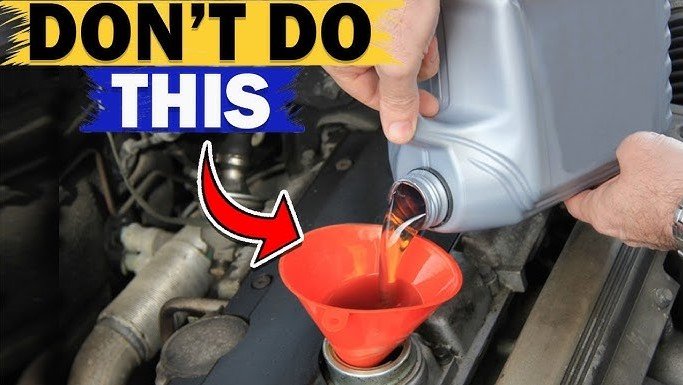
Spilling oil on engine components can be a fire hazard and lead to unpleasant odors inside your cabin. While a few drops are usually harmless, ignoring larger spills can damage rubber seals or cause smoke, so prompt cleanup is essential.
We have all been there. You are performing a routine oil change on a sunny Saturday afternoon, feeling like a total pro. The oil filter is off, the new one is ready, and suddenly, gravity takes over. A glug of fresh, golden oil misses the catch pan and lands right on your hot engine block or exhaust manifold. You immediately wonder, is spilling oil on engine bad, or can I just ignore it?
In 2026, modern vehicle engines are incredibly sophisticated, but they still rely on traditional lubrication systems that can be messy. While engines are built to withstand some heat and pressure, they are not designed to be coated in slippery fluid. Most of the time, a small spill is just an annoyance, but it is important to understand why you should always grab a rag and take care of it immediately.
Key Takeaways
- Fire Hazard: Oil on hot exhaust manifolds can ignite, posing a serious safety risk to your vehicle and passengers.
- Rubber Degradation: Prolonged exposure to engine oil can cause rubber hoses and belts to swell or deteriorate prematurely.
- The Smell Factor: Even a tiny amount of oil burning off a hot block will create a pungent, acrid smell that often enters the car’s ventilation system.
- False Leak Diagnosis: Spilled oil makes it impossible to tell if you have an actual internal leak, making engine health monitoring difficult.
- Easy Cleanup: Most spills can be resolved easily using common household degreasers or automotive-grade cleaners and a clean shop rag.
Why Engine Spills Are More Than Just A Mess
When you ask is spilling oil on engine bad, the answer depends largely on how much was spilled and where it landed. The primary concern is heat. An engine is a collection of parts that operate at very high temperatures. When oil hits an exhaust manifold or a catalytic converter, it hits temperatures that can easily cause the oil to smoke or, in extreme cases, ignite.
The Risk of Fire and Smoke
The most dangerous result of a spill is the risk of fire. While engine oil has a high flash point, it can still combust if it lands on a part of the exhaust system that is glowing hot after a long drive. Even if it does not catch fire, it will create thick, acrid white smoke. This often billows out from under the hood, leading many drivers to panic, thinking their car is suffering a major mechanical failure.
The “Burning Smell” Problem
If you have ever had a mechanic finish your oil change, only to have a mysterious burning smell fill the cabin for the next three days, you have experienced a spill. The ventilation system of your car pulls air from near the base of the windshield, right above the engine bay. If you leave oil on the engine, the heat will vaporize it, and those fumes will be pulled directly into your air conditioning system, making every drive unpleasant until the oil eventually burns off.
The Impact on Your Vehicle’s Components
Beyond the smoke and smell, you have to consider the long-term health of your engine’s parts. Engines are made of metal, but they are held together by plastic, rubber, and synthetic seals. Oil is a solvent, and it can be quite aggressive toward these materials.
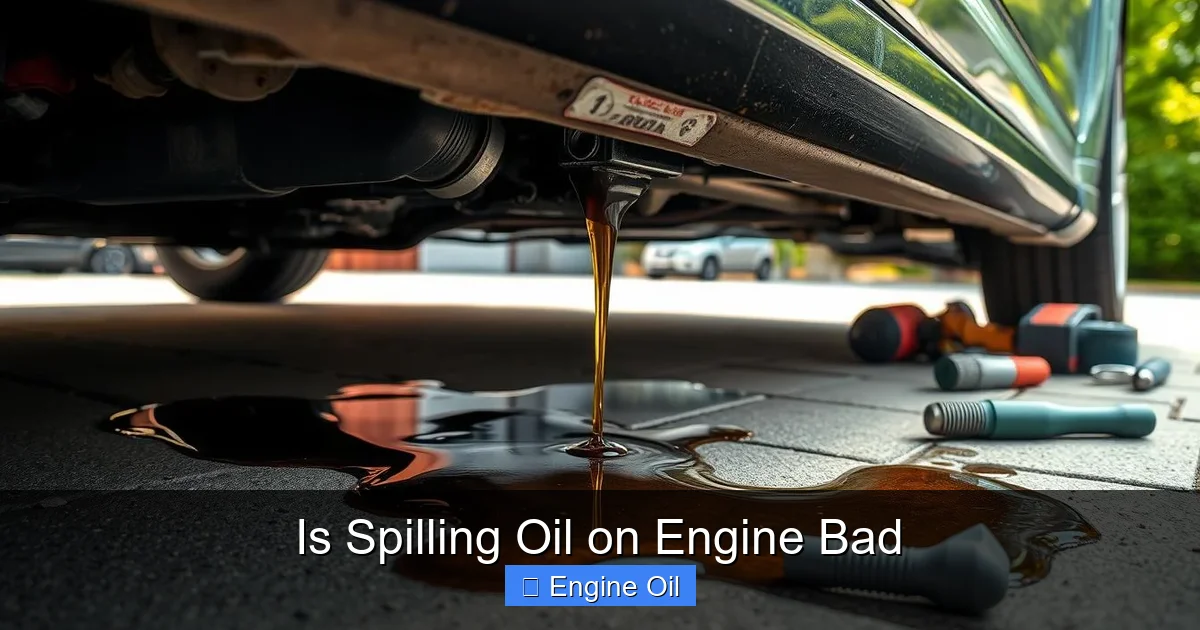
Visual guide about Is Spilling Oil on Engine Bad
Image source: enduringautomotive.com
Rubber Hoses and Belts
Rubber is vital for keeping your coolant and air intake systems running smoothly. Many rubber compounds used in modern vehicles are not resistant to oil. If oil sits on a radiator hose or a drive belt for a long period, it can soak into the material, causing the rubber to soften and swell. Over time, this leads to premature cracking, which can cause a coolant leak or a belt to snap when you are least expecting it.
Electrical Connectors and Sensors
Your engine is managed by a “brain” full of electronic sensors. These sensors have small electrical plugs and plastic connectors. Oil is a non-conductive fluid, but it attracts dirt and grime. If oil enters a connector, it can trap grit, which may lead to corrosion or intermittent signals. Replacing a simple sensor is cheap, but tracking down a wiring issue caused by a spill is a nightmare for any mechanic.
How To Properly Clean Up An Oil Spill
If you find yourself asking is spilling oil on engine bad during an oil change, the best path forward is to clean it immediately. You do not need expensive equipment or a professional detailer to get your engine bay back in top shape. A few simple items from your garage will do the trick.
Using Simple Degreasers
First, make sure the engine is cool to the touch. Spraying cold water or degreaser on a red-hot engine can cause metal warping or cracking. Once the engine is cool, apply a biodegradable engine degreaser to the affected area.
Let it sit for about five minutes to break down the oil. Then, use a soft brush or a microfiber cloth to wipe the area clean. If you use a hose to rinse, keep it at a low pressure to avoid forcing water into delicate electrical components.
The Importance of Shop Rags
Never underestimate the power of a good shop rag. If you spill oil, immediately blotting the area with a dry cloth will remove 90 percent of the spill before it has a chance to soak into hard-to-reach areas. Keep a stack of rags nearby every time you open the hood, and you will find that these spills become a minor nuisance rather than a major problem.
Avoiding Future Spills During Maintenance
The best way to deal with spills is to prevent them from happening in the first place. With just a little bit of preparation, you can keep your engine bay as clean as the day it left the factory floor.
Using Proper Tools
Investing in a high-quality oil funnel with a long, flexible neck is the single best way to avoid spills. Many modern vehicles have the oil fill port in a very awkward location, tucked under plastic covers or near the firewall. Trying to pour oil from a heavy gallon jug without a funnel is asking for trouble. A dedicated funnel keeps the oil focused exactly where it needs to go.
The Catch-Pan Strategy
When you are removing the oil filter, use a plastic bag or a cut-off soda bottle to catch the excess oil as it unscrews. This is an old mechanic’s trick that works perfectly. By sliding a bag over the filter before you finish unscrewing it, all the messy oil stays in the bag instead of running down the side of your engine block.
Distinguishing Spills from Real Leaks
One of the hidden risks of having oil on your engine is that it masks real problems. If you have a legitimate oil leak from a valve cover gasket or a loose sensor, you will never know if your engine is already covered in spilled oil from your last maintenance session.
Establishing a Baseline
You should aim to keep your engine clean enough that you can easily spot fresh oil. If you notice a new drip, you can pinpoint the source much faster if the area is not already caked in old, spilled oil. If you are ever in doubt, wipe the engine down, drive for a few miles, and then check it again. If you see fresh oil, you know you have an active leak that needs attention.
When Should You Be Concerned?
While we have discussed why spilling oil on the engine is generally bad, there are times when it is simply unavoidable. Some vehicles have oil filter locations that are notoriously difficult to access without making a mess. In these cases, it is important to know your limits.
Recognizing Minor Spills
A few drips that hit the frame or the floor of the engine bay are rarely a major cause for alarm. They will eventually dissipate and dry up. However, if you see a puddle forming or if the oil is dripping onto belts and pulleys, you must address it. Oil on a pulley can cause your accessory belt to slip, which may lead to your alternator or power steering failing while you drive.
Professional Help
If you are uncomfortable with the mess or if you accidentally spilled a large amount of oil into a hard-to-reach area, do not hesitate to contact a professional. A quick engine bay steam cleaning by a detailer is an inexpensive service that can give you peace of mind and prevent any potential damage to your vehicle’s components.
Conclusion
So, is spilling oil on engine bad? In the grand scheme of car ownership, it is a common mistake that most of us make at least once. It is not necessarily a “game over” moment for your car, but it is certainly something you should treat with care. By understanding the risks fire, damage to rubber components, and unpleasant smells you can appreciate why a quick cleanup is essential.
The next time you find yourself topping off your oil or completing a full service, just keep a rag handy and a funnel ready. Taking those two extra minutes will save you from the stress of smoke, the nuisance of smells, and the potential for long-term engine damage. Treat your car with respect, and it will keep running smoothly for many years to come.
Frequently Asked Questions
Will a small spill catch my car on fire?
While a tiny spill is unlikely to cause a massive fire, it can produce smoke if it hits a hot exhaust manifold. Always wipe up spills immediately to remove even the slight possibility of ignition.
Can oil damage my timing belt?
Yes, engine oil is a solvent that can cause rubber belts to swell, soften, and eventually snap. If you spill oil near your timing or drive belts, clean it off thoroughly with a degreaser.
Why does my car smell like burning oil after an oil change?
This is almost always caused by residual oil spilled on the engine block during the filter change process. The heat vaporizes the oil, and your air vents pull the scent directly into your cabin.
Is it safe to spray my engine with a hose?
You should be very careful when using water on an engine. High-pressure water can force moisture into electrical connectors and sensors, so use a light mist and a degreaser instead.
How do I know if the oil is a spill or a real leak?
Clean your engine bay thoroughly and keep it dry. If you notice new wet spots appearing after a few days of driving, that indicates a genuine oil leak rather than a previous spill.
Does synthetic oil behave differently when spilled?
Synthetic oil behaves similarly to conventional oil when spilled on hot parts. It will still smoke and produce an odor, so it should be cleaned up with the same level of urgency.