
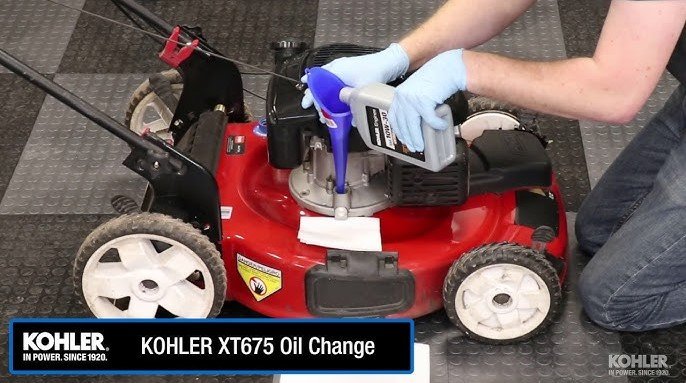
For most modern Kohler engines, the manufacturer recommends using high-quality 10W-30 synthetic or detergent oil. Always check your specific owner’s manual, as temperature and engine model can influence the exact oil viscosity required for optimal performance.
If you own a lawnmower, generator, or piece of power equipment with a Kohler engine, you know how reliable these machines can be. Whether you are prepping your garden for the spring or maintaining a backup generator for those stormy nights, keeping the heart of the machine running smoothly is vital.
One of the most common questions we hear from equipment owners is, “What type of oil does a Kohler engine take?” It is a simple question with a very important answer. Using the right lubricant is not just about keeping the engine clean; it is about protecting the intricate metal components inside from wear and tear.
Over the years, engine technology has evolved, and the oils we use in 2026 are more efficient and protective than ever before. Let’s dive into everything you need to know about keeping your Kohler engine in top shape so it lasts for years to come.
Key Takeaways
- Oil Selection: Most Kohler engines perform best with 10W-30 synthetic oil, which offers superior protection across a wide range of temperatures.
- API Service Classification: Always ensure your oil meets the latest API service category requirements (such as SN or SP) to guarantee engine compatibility.
- Temperature Matters: If you live in an extremely cold or hot climate, you may need to adjust your oil viscosity consult your manual for specific guidance.
- Check Regularly: Even with high-quality oil, checking your levels before every use prevents internal friction and costly engine damage.
- The “Break-In” Period: New engines often require a specific oil type during the first few hours of operation; follow the break-in instructions carefully.
- Routine Changes: Changing your oil and filter at the recommended intervals is the single most important step for engine longevity in 2026.
Understanding Kohler Engine Oil Requirements
When you ask what type of oil does a Kohler engine take, the standard answer for almost all air-cooled, four-cycle engines is high-quality detergent oil. Kohler specifically recommends oil that carries an API service classification of SJ or higher. This classification ensures the oil has the additives necessary to prevent sludge buildup and reduce engine heat.
The Case for 10W-30 Synthetic
In 2026, synthetic oils have become the gold standard for small engines. A 10W-30 synthetic blend or full synthetic is the most recommended choice for a Kohler engine. The “10W” stands for how the oil behaves in cold temperatures the “W” stands for Winter and the “30” represents how it performs at operating temperatures. This range is versatile enough to handle everything from a chilly morning start to a hot afternoon of heavy-duty mowing.
Why Detergent Oil Matters
You might see the term “detergent oil” on labels. This simply means the oil contains additives designed to keep engine surfaces clean. As the engine runs, carbon deposits and varnish can form. A good detergent oil keeps these particles suspended so they can be trapped by the oil filter, ensuring that the oil moving through your engine is as clean as possible.
Choosing the Right Viscosity for Your Climate
While 10W-30 is the “go-to” answer for what type of oil does a Kohler engine take, your local climate might call for a slight change. Engines operating in extreme heat or extreme cold deal with different physical stresses.
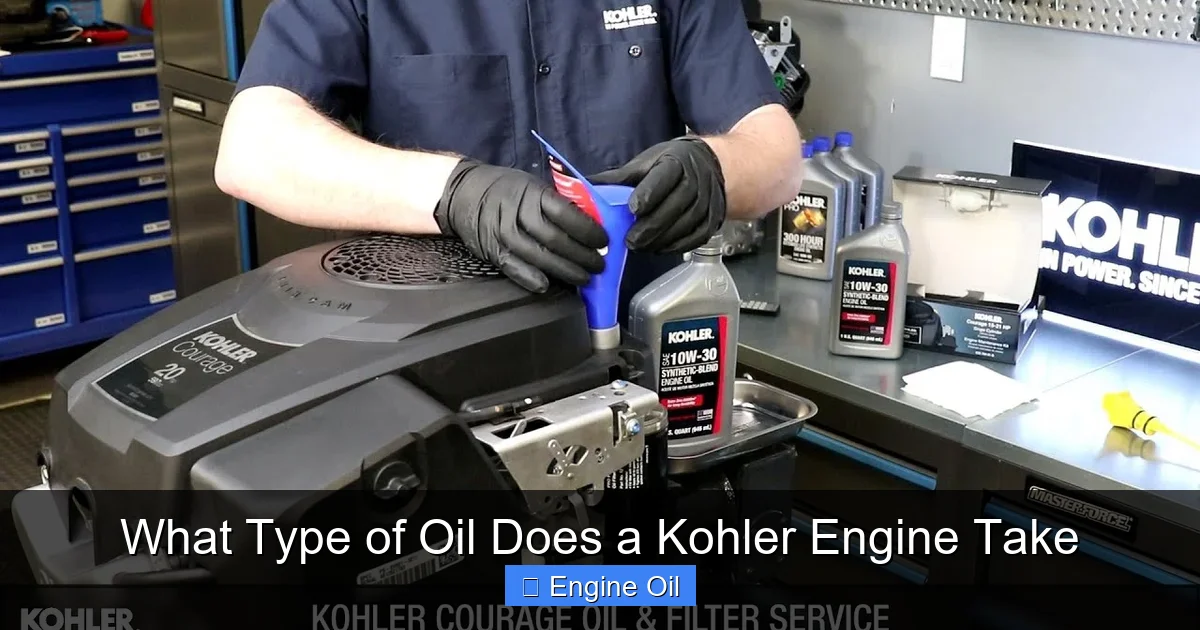
Visual guide about What Type of Oil Does a Kohler Engine Take
Image source: img.youtube.com
Hot Climate Considerations
If you live in a region where temperatures stay consistently above 80 degrees Fahrenheit, some owners choose to use SAE 30 oil. This is a straight-grade oil that holds up very well under high-heat conditions. However, many modern synthetic multi-grade oils handle heat just as well, if not better, because they are engineered to maintain their thickness under pressure.
Cold Climate Considerations
If you are using a generator or snow blower in freezing temperatures, the oil can become too thick to circulate properly during a cold start. In these cases, you might consider a 5W-30 oil. The lower “5W” rating ensures the oil stays fluid enough to reach the top of the engine immediately, preventing dry starts that can cause long-term damage.
The Importance of the “Break-In” Period
When you buy a brand-new machine, the engine is fresh from the factory. The internal parts are “seating” against each other. This is called the break-in period. Many people ask if they should use different oil during this time, and the answer is usually yes.
Follow the Manual’s Advice
Kohler often recommends specific oils for the first 5 to 10 hours of operation. Sometimes, they suggest a standard petroleum-based oil to allow the rings and cylinder walls to seat properly. Once the break-in period is finished, you should drain that oil and switch to the high-quality synthetic oil you plan to use for the life of the engine.
Why Oil Filters Matter
During the break-in process, microscopic metal fragments can end up in the oil. This is perfectly normal. That is why your first oil change is the most important one you will ever perform. Always change the oil filter during this time to make sure those initial particles are flushed out of the system forever.
Tips for Easy Oil Changes
Changing your own oil is a great way to save money and get to know your machine better. It is a simple process that shouldn’t take more than twenty minutes. Here are some tips to make it even easier in 2026.
Warm It Up First
Always run your engine for about three to five minutes before changing the oil. Warm oil flows much faster than cold oil, which helps it carry away debris and sludge from the bottom of the crankcase more effectively. Just be careful, as the oil will be hot to the touch!
Use a Drain Pan and Funnel
Spills are the enemy of a clean garage. Use a wide-mouth drain pan to catch the old oil and a long-necked funnel to pour in the new oil. If your specific model has a difficult-to-reach drain plug, you can buy a simple drain hose extension that screws onto the port, making the process much cleaner.
Don’t Overfill
It is tempting to pour the whole quart in, but you must check the dipstick. Overfilling an engine can cause the oil to foam, which reduces its lubricating ability and can actually damage the seals. Fill it until it reaches the “Full” mark on the dipstick, wait a minute for the oil to settle, and check it one last time.
Common Mistakes to Avoid
Even with the best intentions, it is easy to make simple errors. By avoiding these common pitfalls, you will keep your Kohler engine running strong well into the future.
Ignoring the Dipstick
Some people forget to check their oil between changes. Even the best engines can consume a tiny bit of oil, especially as they get older. Get into the habit of pulling the dipstick out before every big job. If the oil is low, top it off with the same type and brand you used for the last change.
Using Automotive Oil
While some modern automotive oils are great, you should always look for the “API Service” stamp on the bottle. Some older automotive oils contain friction modifiers that can cause a clutch to slip in certain types of equipment. Stick to oils designed for small, air-cooled engines whenever possible to stay safe.
Waiting Too Long
The manual will give you an interval—perhaps every 50 or 100 hours. Don’t wait until the end of the season to do your maintenance. If you use your equipment heavily, check the oil more frequently. Fresh oil is the cheapest form of insurance for your engine.
Conclusion
Knowing what type of oil does a Kohler engine take is the foundation of excellent machine care. By choosing a high-quality 10W-30 synthetic oil, respecting the break-in period, and changing your oil regularly, you are doing everything right to maximize the life of your equipment.
In 2026, technology has made it easier than ever to protect our investments with high-performance lubricants. Keep your oil clean, keep your levels topped off, and your Kohler engine will continue to power through your toughest chores for many years to come.
Frequently Asked Questions
How often should I change the oil in my Kohler engine?
Most Kohler engines require an oil change every 50 to 100 hours of use, or at least once per season. Always consult your specific engine model’s manual for the exact recommended interval.
Can I use full synthetic oil in my Kohler engine?
Yes, full synthetic oil is highly recommended for Kohler engines in 2026. It provides better protection against heat and cold and stays cleaner for longer periods than conventional oil.
What happens if I use the wrong oil viscosity?
Using the wrong viscosity can lead to poor lubrication, especially during cold starts or high-heat operation. This increases friction, causes premature wear, and may lead to engine overheating.
Does it matter which brand of oil I buy?
While the brand is less important than the API service classification, you should always choose a reputable manufacturer that meets the standards listed in your manual. Consistency is key, so try to stick with the same brand and type for every oil change.
Is it okay to mix different brands of oil?
It is best to avoid mixing oils, but if you are in a pinch, it is acceptable as long as the viscosity and API ratings are identical. Try to perform a full oil change as soon as possible if you have to mix brands.
How do I know if my oil is dirty?
Check the oil on the dipstick; if it looks dark, thick, or has a gritty texture, it is time for a change. If you notice any metal shavings or a burnt smell, change the oil and filter immediately and inspect the engine.