
The best engine oil for older engines balances seal care, wear protection, correct viscosity, and strong cold-start flow.
An older car may still run well, but its engine can use more oil, show small leaks, or sound rough at start-up. The right high-mileage motor oil can help protect aging seals, reduce oil loss, and keep internal parts clean. I reviewed five popular options from Valvoline and Castrol. I focused on viscosity, oil type, seal support, daily driving needs, buyer value, and fit for engines with more than 75,000 miles. Always confirm the grade in your owner’s manual before you buy.
See the differences between my top picks at a glance.
Valvoline MaxLife 5W-20 Synthetic Blend
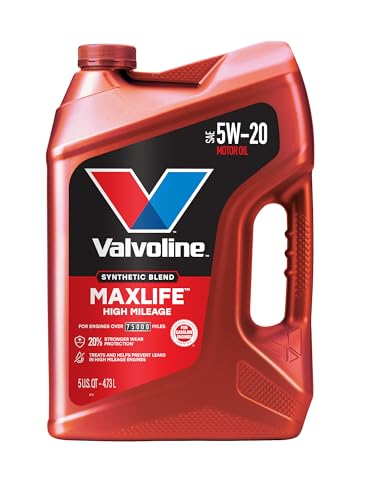
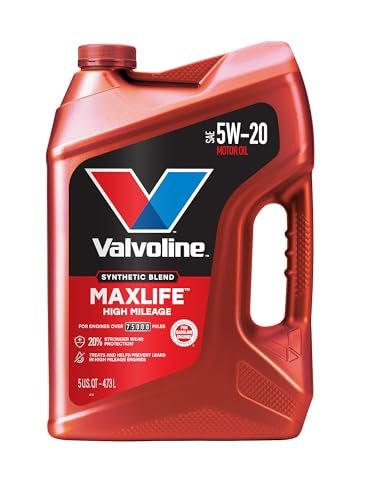
Valvoline MaxLife 5W-20 Synthetic Blend is a strong choice for an older engine that calls for 5W-20 oil. It uses a blend of synthetic and conventional base oils. That balance gives it useful cold-flow performance without the price of some premium full synthetic oils. Its high-mileage formula also targets common concerns such as leaks, deposits, and oil use.
I would consider this oil for a commuter car, small SUV, or light truck that has passed the 75,000-mile mark. The 5W-20 grade stays fairly fluid during cold starts, which matters in winter and during short trips. Still, the correct viscosity comes first. Do not switch to 5W-20 only because the engine is old. Check the owner’s manual and oil cap before ordering.
Pros:
- High-mileage formula made for aging engines
- Useful 5W-20 cold-start flow
- Synthetic blend offers a practical price balance
- Seal conditioners may help manage minor seepage
- Designed to help reduce oil consumption
- Easy five-quart size for many oil changes
Cons:
- Not the right grade for engines that require 5W-30 or 10W-30
- May not offer the same oxidation resistance as full synthetic oil
- Cannot repair a damaged seal or serious mechanical leak
What Amazon Buyers Are Saying
Amazon buyers commonly like the familiar Valvoline name, the high-mileage focus, and the convenience of the five-quart container. Many shoppers choose it for routine oil changes on older cars and trucks. Reviews also often mention smooth engine operation and good value when the oil is on sale.
Some buyers report that oil use becomes easier to manage, but results vary by engine condition. Other complaints tend to involve shipping damage, price changes, or receiving a different package design. Those points show why I would check the seller, delivery condition, and exact viscosity before use.
My Recommendation
This is a sensible buy for an older engine that specifies 5W-20 and needs affordable high-mileage care. It is not a cure for a worn engine, but it offers a useful mix of cold-start flow and seal-focused features. I rate it highly for normal commuting and regular oil changes.
| Category | Rating |
|---|---|
| High-mileage protection | 4.5/5 |
| Cold-start performance | 4.5/5 |
| Value | 4.5/5 |
| Engine fit | 4/5 |
| Overall Rating | 4.5/5 |
Valvoline MaxLife 5W-30 Synthetic Blend
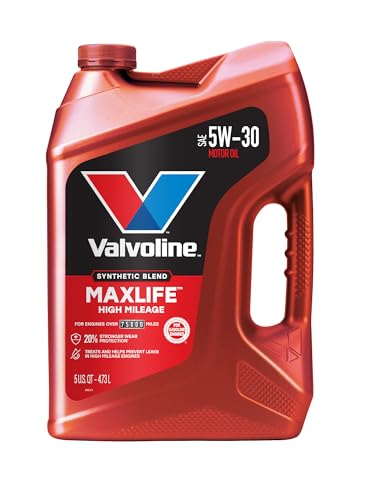
Valvoline MaxLife 5W-30 Synthetic Blend is my most balanced pick for many older daily drivers. The 5W-30 grade works in a wide range of cars, trucks, and SUVs that call for this viscosity. Its high-mileage formula includes seal conditioners and additives that support cleaner, smoother engine operation. The synthetic blend also keeps the price below many full synthetic products.
This oil makes sense when an older vehicle sees mixed weather, highway trips, and stop-and-go traffic. The 5W rating helps with cold starts, while the 30-weight operating grade gives the engine a little more thickness at normal operating temperature than 5W-20. That does not mean it fits every vehicle. Use the grade listed by the vehicle maker, especially on newer engines with tight oil passages.
Pros:
- Versatile 5W-30 grade for many older vehicles
- High-mileage formula supports aging seals
- Synthetic blend offers a good cost-to-performance ratio
- Suitable for many daily driving conditions
- May help limit minor leaks and oil use
- Available in a convenient five-quart container
Cons:
- Not suitable when the manual requires another viscosity
- May not be the best choice for severe heat or racing use
- Results depend on the engine’s wear and service history
What Amazon Buyers Are Saying
Many Amazon shoppers praise this oil for routine maintenance on high-mileage cars. Buyers often point to the brand reputation, simple pour, and reasonable cost. Some owners say their engines run quietly after an oil change, though that type of result can also depend on the filter, oil level, and condition of the motor.
Common complaints focus on changing prices, packaging, or delivery issues. A few buyers expect an oil change to stop an existing leak, but motor oil cannot fix a failed gasket or cracked seal. I view the reviews as a sign of strong everyday appeal, with the usual need to confirm the correct product and seller.
My Recommendation
I recommend this product to drivers who want the best engine oil for older engines with a 5W-30 requirement. It gives a useful middle ground between basic conventional oil and more costly full synthetic oil. It is a dependable choice for normal service when you follow the vehicle maker’s oil-change schedule.
| Category | Rating |
|---|---|
| High-mileage protection | 4.5/5 |
| All-weather use | 4.5/5 |
| Value | 4.5/5 |
| Leak and consumption support | 4/5 |
| Overall Rating | 4.5/5 |
Valvoline MaxLife Full Synthetic 5W-20

Valvoline MaxLife Full Synthetic 5W-20 is the premium option in this group. It combines a full synthetic base with a high-mileage additive package. Full synthetic oil can resist heat and flow well across a broad temperature range, although the real benefit still depends on the engine design and service needs. This product is aimed at engines with 75,000 miles or more.
I like this oil for an older vehicle that faces cold mornings, long highway trips, or frequent temperature changes. The 5W-20 grade can move quickly at start-up when the vehicle requires that viscosity. The full synthetic base may also provide a larger performance margin during heat and extended driving. However, a higher price does not make it correct for an engine that needs a different grade.
Pros:
- Full synthetic base for demanding temperature changes
- Designed for high-mileage engines
- Strong choice for cold-start conditions
- Good fit for drivers who want premium oil protection
- Seal conditioners target minor seepage concerns
- Can support longer, more consistent oil performance when used as directed
Cons:
- Costs more than the synthetic blend options
- Only fits vehicles that specify 5W-20
- Full synthetic oil cannot correct serious wear or leaks
What Amazon Buyers Are Saying
Amazon buyers often choose this oil because they want a full synthetic product for an older vehicle. Positive reviews commonly mention smooth operation, easy pouring, and confidence in using a premium formula. Some customers also like buying the five-quart container for home oil changes.
As with most motor oils, customer results vary. Some buyers report less visible oil use, while others see no change because their engines have worn rings, gaskets, or seals. A smaller group mentions price or shipping concerns. I would compare the current price with the synthetic blend before deciding if the upgrade fits your maintenance budget.
My Recommendation
This is the best premium pick for an older engine that requires 5W-20. I would choose it for severe temperature swings, frequent highway use, or owners who prefer full synthetic oil. It is worth buying when the price difference is reasonable and the engine maker allows this grade.
| Category | Rating |
|---|---|
| Full synthetic quality | 4.7/5 |
| High-mileage support | 4.6/5 |
| Cold-start performance | 4.7/5 |
| Value for money | 4.2/5 |
| Overall Rating | 4.6/5 |
Valvoline MaxLife 10W-30 Synthetic Blend
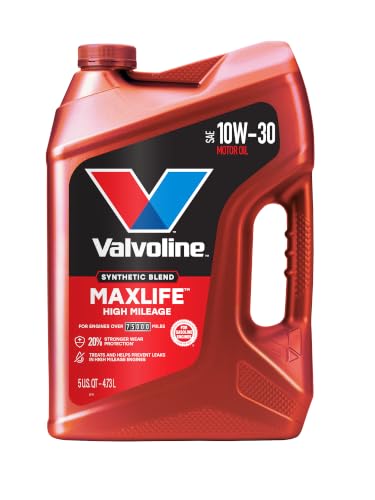
Valvoline MaxLife 10W-30 Synthetic Blend suits older engines that call for a thicker 10W-30 grade. It uses the same high-mileage approach found in the MaxLife line, including support for aging seals and oil-control concerns. The 10W winter rating is less suited to very cold starts than a 5W oil. In warm areas, that difference may matter less.
I see this product as a practical option for older cars, classic vehicles, and trucks used in mild or hot weather. Some worn engines also run better with the grade listed in their original service plan. Still, thicker oil is not always better. Check the manual, consider the local climate, and avoid using this oil in an engine designed only for a lighter grade.
Pros:
- Correct choice for many engines requiring 10W-30
- High-mileage formula supports older seals
- Synthetic blend helps control cost
- Useful option for warmer climates
- May help reduce minor oil seepage and consumption
- Works well for many older trucks and classic daily drivers
Cons:
- Less cold-start flow than 5W-30 or 5W-20 oil
- Not suitable for vehicles that require a lighter grade
- Cannot solve major leaks or internal engine damage
What Amazon Buyers Are Saying
Amazon shoppers often select this oil for older vehicles that still use 10W-30. Buyers tend to like the clear high-mileage purpose and the value of a five-quart jug. Some reviews mention smooth running and stable oil levels during normal use.
Other buyers note that oil consumption depends on the engine, not only the brand. Complaints often relate to delivery, damaged containers, or the product not matching a vehicle’s required grade. I would treat this feedback as a reminder to confirm fit before purchase and inspect the jug before pouring.
My Recommendation
I recommend this oil for older engines that specifically require 10W-30, especially in warm regions. It is a poor choice for a cold-weather vehicle that needs faster winter flow. When the grade matches, it offers practical high-mileage support at a fair price.
| Category | Rating |
|---|---|
| Warm-weather suitability | 4.6/5 |
| High-mileage support | 4.5/5 |
| Cold-start ability | 3.8/5 |
| Value | 4.5/5 |
| Overall Rating | 4.3/5 |
Castrol GTX High Mileage 5W-30

Castrol GTX High Mileage 5W-30 Synthetic Blend is a solid alternative to Valvoline MaxLife. It targets vehicles with high mileage and uses a synthetic blend base. The 5W-30 grade fits many older cars and light trucks, but the owner’s manual remains the final guide. Castrol also has a long history in passenger-car motor oils.
I would consider this product when it costs less than similar high-mileage oils or when a vehicle owner prefers Castrol. It works best as part of a complete service plan that includes a good filter and regular level checks. It may support a cleaner engine and help manage normal oil loss, but no motor oil can reverse serious mechanical wear.
Pros:
- High-mileage formula for older engines
- Common 5W-30 grade for broad vehicle use
- Synthetic blend keeps the cost practical
- Well-known brand with wide retail availability
- Suitable for routine commuting and highway driving
- Five-quart size fits many home oil changes
Cons:
- Not the correct choice for every engine
- May not provide the premium feel of full synthetic oil
- Customer results can vary with engine age and wear
What Amazon Buyers Are Saying
Amazon customers often praise Castrol GTX High Mileage for its price, brand trust, and easy use during routine maintenance. Many buyers order it for older sedans, SUVs, and trucks. Positive reviews commonly focus on smooth operation and the convenience of purchasing oil online.
Some reviews mention that oil consumption stayed the same, which is normal when an engine has major wear. Other complaints concern shipping leaks, old packaging photos, or price changes. I recommend checking the seal, label, and viscosity when the order arrives.
My Recommendation
Castrol GTX High Mileage 5W-30 is worth buying when you need a simple, affordable oil for an older 5W-30 engine. It is a good backup pick and may be the better deal during a sale. I would choose it for normal driving, not as a repair for a leaking or damaged motor.
| Category | Rating |
|---|---|
| High-mileage formula | 4.4/5 |
| Daily driving performance | 4.4/5 |
| Cold-start flow | 4.4/5 |
| Price and value | 4.5/5 |
| Overall Rating | 4.4/5 |
How to Choose the Best Engine Oil for Older Engines
Choosing the best engine oil for older engines takes more than picking the thickest oil on the shelf. The right product must match the engine’s required viscosity, driving conditions, mileage, and current condition. I use the points below to narrow the choice without relying on hype.
1. Match the Viscosity to the Vehicle
Start with the owner’s manual. Look for a grade such as 5W-20, 5W-30, or 10W-30. The first number describes cold flow, while the second number describes oil thickness at operating heat. A lower winter number usually flows more easily in cold weather.
Do not change grades just because the engine has high mileage. Some older engines allow more than one grade, but others do not. If the manual lists 5W-30, Valvoline MaxLife 5W-30 or Castrol GTX High Mileage 5W-30 may fit. If it lists 10W-30, the Valvoline 10W-30 option may be more suitable.
2. Consider High-Mileage Features and Oil Type
High-mileage oil often includes seal conditioners. These additives may help flexible seals manage minor seepage. They do not rebuild a failed seal, stop a cracked gasket, or repair worn piston rings. Treat the oil as protection and maintenance, not as a mechanical repair.
Next, choose between synthetic blend and full synthetic oil. A synthetic blend can offer a strong value for routine driving. Full synthetic oil may provide better resistance to heat and temperature change. It usually costs more, so I would reserve it for drivers who want a premium formula or who face severe service.
3. Compare Climate, Driving, and Total Value
Think about where and how you drive. A car that sits outside in a cold state may benefit from a 5W grade if the manual allows it. A vehicle in a hot region may use 10W-30 if the manufacturer approves that grade. Short trips, towing, heavy traffic, and long highway runs can also place different demands on engine oil.
Finally, compare the price per quart, not only the jug price. Check the oil-change interval in the manual, buy a suitable filter, and check the dipstick often. A cheaper oil is not a value if it does not meet the required specification. Also inspect the container for damage and confirm that the label matches your vehicle.
Final Verdict: Which Should You Buy?
For most older vehicles that require 5W-30, I recommend Valvoline MaxLife 5W-30 Synthetic Blend. Choose Valvoline MaxLife Full Synthetic 5W-20 for premium protection when that grade fits.
The best engine oil for older engines is the one that matches the manual and the vehicle’s real needs. Change it on time, use a good filter, and watch the oil level.
FAQs Of best engine oil for older engines
What is the best engine oil for older engines?
Valvoline MaxLife 5W-30 Synthetic Blend is the best overall choice when the vehicle requires 5W-30. The correct viscosity always comes first.
Is high-mileage oil good for an engine with over 100,000 miles?
Yes. High-mileage oil can support aging seals and help manage normal oil use. It cannot repair major leaks or internal wear.
Should I use thicker oil in an older engine?
Only if the owner’s manual allows that grade. Thicker oil is not automatically better and may reduce cold-start flow.
Is full synthetic oil better for older cars?
Full synthetic oil may offer stronger heat and temperature performance, but it costs more. A synthetic blend can provide good value for normal driving.
Can engine oil stop a small oil leak?
High-mileage oil may help with minor seepage around aging seals. It cannot fix a failed gasket, cracked seal, or serious mechanical leak.
How often should I change oil in an older vehicle?
Follow the vehicle maker’s schedule and check the oil level often. Severe use, short trips, and heavy traffic may require more frequent service.