Choosing the right place to change your car engine oil is vital for your vehicle’s longevity and performance in 2026. Whether you value convenience, cost, or expert dealership care, understanding your options helps you make the best decision for your car’s specific needs.
Hey there! If you are reading this, you probably know that feeling when that little “service required” light pops up on your dashboard. It is a classic 2026 automotive moment. You start wondering, “Where should I actually go to get this done?” It is a simple task, but it is also the most important thing you do for your engine. The oil is the lifeblood of your car, and keeping it fresh is the best way to avoid expensive repairs down the road.
Deciding where to change car engine oil involves balancing your schedule, your budget, and your trust in the person turning the wrench. In 2026, we have more options than ever before. From high-tech service centers to the classic garage down the street, each choice has its own set of pros and cons. Let’s walk through your options so you can drive away with peace of mind.
Key Takeaways
- Dealership Expertise: Dealerships offer technicians specifically trained for your vehicle’s brand, ensuring parts and fluids meet OEM standards.
- Quick-Lube Shops: These locations are ideal for busy drivers who need a fast, no-appointment service without sacrificing quality.
- Independent Mechanics: Local shops often provide a more personalized touch and are great for building long-term relationships with a trusted technician.
- DIY Maintenance: Changing your own oil saves money and allows you to inspect other components, though it requires tools and proper waste disposal.
- Service Convenience: Mobile oil change services are growing in popularity in 2026, bringing the shop directly to your driveway or office.
- Maintenance Records: Regardless of where you go, always keep your digital or paper receipts to prove that regular maintenance was performed.
Understanding Your Service Options in 2026
The automotive landscape has changed quite a bit. With more vehicles featuring advanced sensor systems and complex synthetic oil requirements, where you go actually matters. It is not just about dumping old oil and pouring in new stuff anymore. It is about total vehicle health.
The Dealership Experience
Many drivers stick with their dealership, and for good reason. When you go to a dealership, you are getting technicians who see your specific make and model every single day. If there is a hidden recall or a specific software update required for your engine management system, they are usually the first to know.
The main perk here is the peace of mind. You know the oil filter is genuine and the oil grade is exactly what the manufacturer intended. Sure, it might cost a bit more than the shop at the corner, but the service records are automatically synced with the brand’s database. If you plan to trade in your car later, having a full history of dealership service can actually boost your resale value.
Quick-Lube and Drive-Through Shops
If you are the type of person who is constantly on the move, quick-lube centers are your best friend. In 2026, these facilities have streamlined the process to be faster than ever. You often don’t even need to leave your car. They handle the oil, check your tires, and top off your fluids while you catch up on emails in the driver’s seat.
The trick with these places is to stay informed. Because they are high-volume, they might try to upsell you on services you don’t need, like a cabin air filter replacement that you just did last month. Just stick to your maintenance schedule and know what your car needs before you pull into the bay.
The Rise of Mobile Maintenance
One of the biggest shifts in 2026 is the growth of mobile service providers. Imagine sitting at your desk or relaxing at home, and a van pulls up to your driveway. In less than an hour, your oil is changed, and the tech is off to the next job. It is incredibly convenient and a huge time-saver.
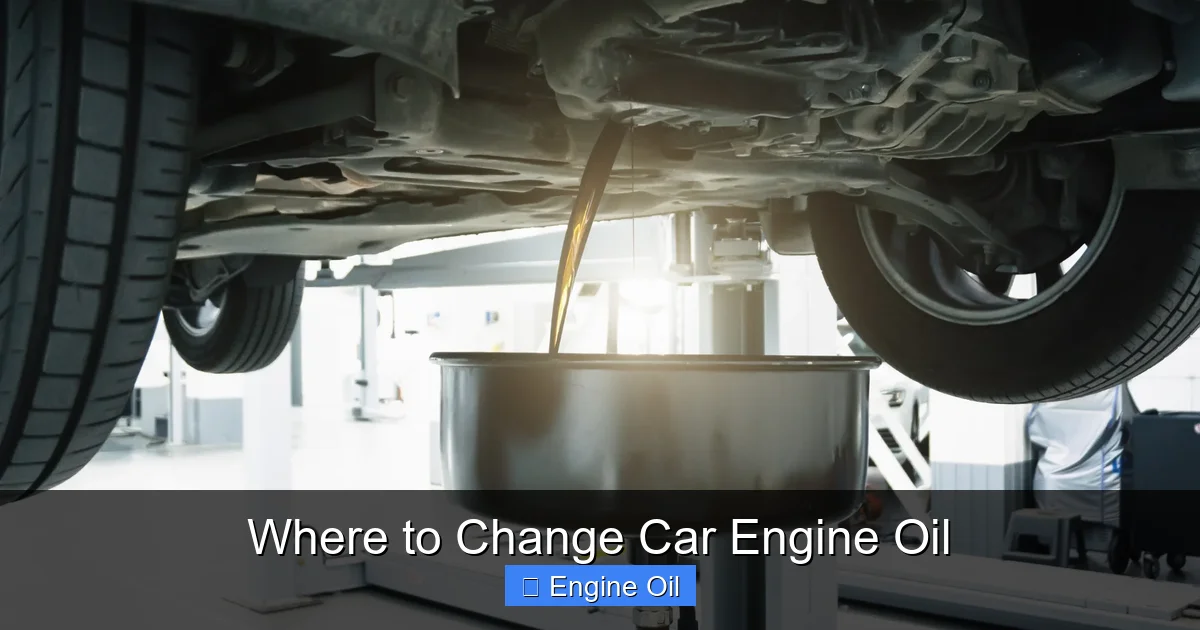
Visual guide about Where to Change Car Engine Oil
Image source: carsshop.org
Why Mobile Services Are Winning
Mobile mechanics are great because they offer transparency. You can walk outside and see exactly what is happening under your car. There is no waiting room drama, no magazines from 2019, and no pressure to buy unnecessary items. You book everything through an app, pay digitally, and get a report sent straight to your phone. It is the modern way to handle basic maintenance.
Are There Downsides?
The only real downside to mobile services is that they can’t do heavy repairs that require a massive lift. If your oil pan is leaking or you have a deeper mechanical issue, they will have to refer you to a shop. But for a standard oil change, it is tough to beat the convenience factor.
The Independent Repair Shop
Local, independent shops are the backbone of the automotive world. These are often family-owned businesses that rely on their reputation in the community. When you find a good local mechanic, you aren’t just getting an oil change; you are getting a partner in your car’s long-term health.
Building a Relationship
When you visit the same local shop for years, the mechanics get to know your car. They might notice a slow coolant leak before it becomes a major problem, or they might mention that your brake pads are getting thin, even if it wasn’t the reason you stopped by. This proactive approach saves you money and prevents breakdowns.
Cost Considerations
Usually, independent shops are priced somewhere between the low-cost quick-lube centers and the premium dealership pricing. They often offer the best value because you are paying for quality work without the high corporate overhead of a dealership. If you find a shop with great reviews, stick with them.
The DIY Route: Changing Your Own Oil
If you have a driveway or a garage and a bit of curiosity, changing your own oil is a rewarding skill. In 2026, with the help of online tutorials and cheap tools, more people are picking up a wrench. It is a great way to save money and ensure the job is done right.
What You Need to Start
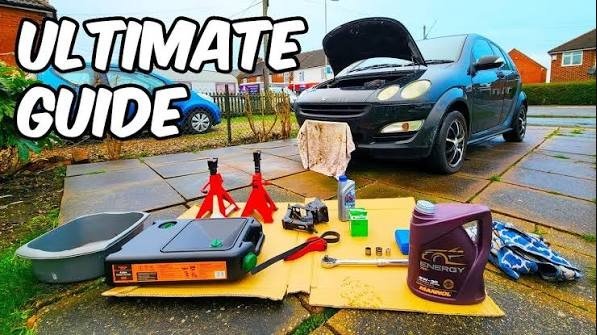
To do this, you will need a jack, jack stands (please, always use stands for safety!), a wrench, a filter wrench, a drain pan, and the correct oil and filter. Most auto parts stores have a computer system where you can look up exactly how much oil and what type your car needs. Never rely on guesswork when it comes to oil viscosity.
The Environmental Aspect
One thing people often forget is what to do with the old oil. You cannot just pour it down the drain. You need to collect it in a sealed container and take it to an auto parts store or a local recycling center. Most places will take it for free, so there is no excuse to be irresponsible with waste oil.
How to Choose the Right Place
So, how do you make the final call? It really comes down to your priorities. If you value your time above all else, mobile services are the winner. If you want a full record of service for warranty purposes, the dealership is your go-to. If you want a cost-effective, personalized touch, find a local independent shop you trust.
Ask the Right Questions
Before you commit to a service center, don’t be afraid to ask questions. Ask what brand of oil they use. Ask if they use an OEM-equivalent filter. If a shop seems annoyed by your questions, that is a red flag. A good professional will be happy to explain their process and the products they put in your engine.
Final Thoughts on Maintenance
Remember that where to change car engine oil is just one part of the equation. The other part is consistency. It doesn’t matter if you go to the best dealership in the country; if you wait 15,000 miles to change your oil, your engine will suffer. Stick to the intervals recommended in your owner’s manual. Your car will thank you for it with years of reliable service.
Ultimately, the “best” place is the one that fits into your life comfortably and keeps your car running smooth. Whether you are a fan of high-tech apps, dealership loyalty, or getting your hands greasy in the garage, the most important thing is that the job actually gets done. Keep your records, stay on top of your schedule, and enjoy the open road!
Frequently Asked Questions
How often should I change my car engine oil in 2026?
Most modern vehicles suggest an oil change every 5,000 to 7,500 miles, but always check your owner’s manual. Some synthetic oils allow for longer intervals, so follow the manufacturer’s specific recommendations for your model.
Can I switch between different brands of engine oil?
Yes, you can switch brands as long as the oil meets the viscosity and performance requirements specified by your vehicle’s manufacturer. The most important factor is using the correct grade of oil, such as 5W-30 or 0W-20, rather than the specific brand.
Does a quick-lube shop void my car’s warranty?
No, a quick-lube shop will not void your warranty as long as they use the correct fluids and parts that meet the manufacturer’s specifications. Always keep your receipts as proof of service to ensure you have documentation if a warranty claim ever arises.
Should I use synthetic or conventional oil?
In 2026, most new vehicles require synthetic oil because it provides better protection and performance in extreme temperatures. If your car calls for synthetic, do not use conventional oil, as it may lead to engine deposits and reduced efficiency.
Is it cheaper to change my own oil?
Generally, yes, performing your own oil change is cheaper than paying a professional, especially over the long term. However, you must factor in the cost of tools, your time, and the responsibility of properly disposing of used oil and filters.
How do I find a reputable mechanic nearby?
Look for local shops with high ratings on community review sites and ask friends or neighbors for personal recommendations. A shop that is transparent about their pricing, uses quality parts, and has been in the community for several years is usually a safe bet.