
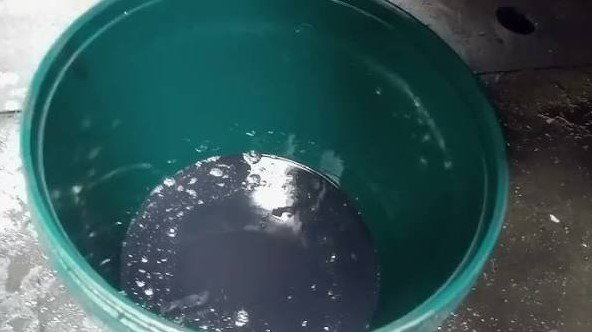
Diesel fuel dilution in engine oil is a serious issue that compromises your engine’s lubrication and longevity. This dangerous contamination occurs when fuel bypasses piston rings, leading to increased wear and potential engine failure if left unaddressed.
Have you ever checked your dipstick, only to find the oil level higher than it was a few weeks ago? Or perhaps you noticed your engine oil feels thin and smells distinctly like fuel? If you own a diesel vehicle, this is a situation you simply cannot ignore. It is a common problem known as fuel dilution, specifically where diesel mix with engine oil in the crankcase.
While a tiny amount of blow-by is normal in most internal combustion engines, significant amounts of diesel fuel entering the oil supply can be catastrophic. As we navigate the complexities of 2026 automotive technology, modern engines are more sensitive than ever to oil quality. Understanding why diesel mix with engine oil is essential for every vehicle owner who wants to keep their engine running smoothly for hundreds of thousands of miles.
Key Takeaways
- Fuel Dilution Risks: When diesel mix with engine oil occurs, it lowers the oil’s viscosity, leading to metal-on-metal contact and accelerated engine wear.
- Common Causes: Frequent short trips, idling for long periods, and faulty fuel injectors are the primary culprits for diesel entering the crankcase.
- Deteriorated Lubrication: Contaminated oil loses its ability to protect moving parts, which can lead to catastrophic internal damage over time.
- Monitor Oil Levels: An “increasing” oil level on your dipstick is a major red flag that diesel is leaking into the oil system.
- Preventive Maintenance: Regular oil changes, professional injector testing, and ensuring the engine reaches operating temperature are vital prevention strategies.
- Diagnostic Steps: If you suspect fuel dilution, use oil analysis services or professional diagnostic tools to confirm the problem before further driving.
The Mechanics Behind Fuel Dilution
How Diesel Reaches the Crankcase
To understand why diesel mix with engine oil, we first need to look at how the engine operates. During the combustion process, fuel is injected into the cylinder. Under normal conditions, this fuel burns completely. However, if the fuel does not combust properly, it can seep past the piston rings and work its way down into the crankcase, where the engine oil resides.
This “blow-by” is the primary bridge between your fuel system and your oil system. When the engine is cold or the combustion is inefficient, liquid fuel droplets cling to the cylinder walls. As the piston moves downward, these droplets are scraped into the oil reservoir below. Over time, these small amounts accumulate, creating a dangerous mixture that dilutes your lubricant.
The Role of Piston Rings
The piston rings are your engine’s primary line of defense. They create a seal between the combustion chamber and the crankcase. If these rings are worn, stuck, or damaged, they cannot maintain a tight seal. This allows diesel fuel to slip past easily. In modern engines, high-pressure common rail systems demand perfect sealing, making even minor ring wear a significant factor in why diesel mix with engine oil.
Common Causes of Diesel Fuel in Oil
Frequent Short Trips and Cold Starts
One of the most frequent reasons for this issue is how a vehicle is driven. If you use your diesel truck primarily for short trips, the engine never reaches its optimal operating temperature. When an engine runs cold, the piston rings do not expand fully to create a perfect seal against the cylinder walls.
Furthermore, the oil stays cool, meaning any fuel that does enter the crankcase cannot evaporate off. In a warmed-up engine, light ends of fuel can often boil off, but short trips prevent this natural purification process.
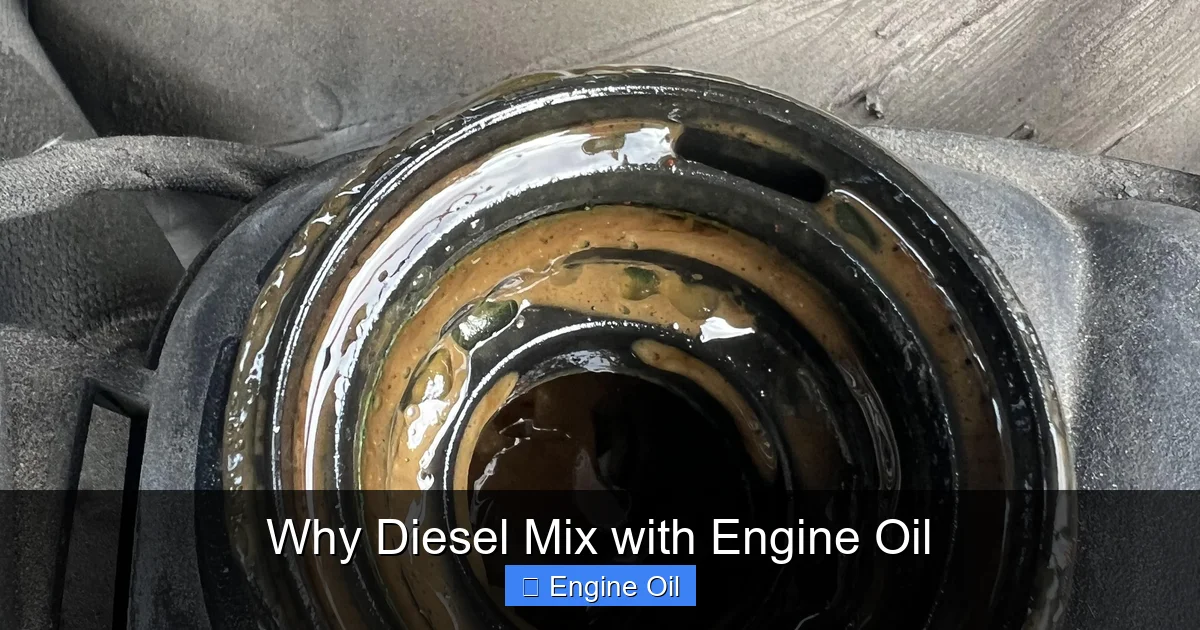
Visual guide about Why Diesel Mix with Engine Oil
Image source: i.redd.it
Faulty Fuel Injectors
Modern diesel engines rely on high-precision fuel injectors to deliver the exact amount of fuel needed. If an injector becomes “leaky” or fails to close completely, it will continue to drip fuel into the cylinder even when the engine is off or during the exhaust stroke. This excess fuel has nowhere to go but down into the oil pan. A leaking injector is a common mechanical failure that leads to rapid dilution of your engine oil.
Excessive Idling
While many diesel owners enjoy the convenience of letting their vehicle idle to keep the cabin warm or cool, it is a leading cause of fuel dilution. During idle, the combustion chamber temperatures drop significantly. This leads to incomplete combustion and higher levels of unburnt fuel coating the cylinder walls. If you spend hours idling at job sites or during traffic, you are significantly increasing the chances of diesel mixing with your engine oil.
Recognizing the Symptoms
The “Rising Oil Level” Test
The most reliable way to spot this problem is to monitor your oil level. If you see that your oil level is higher than the “full” mark after a few hundred miles, you likely have fluid entering the crankcase. This is a clear warning sign. If the oil volume is increasing, it is almost certainly due to fuel or coolant intrusion.
Sensory Inspection: Smell and Texture
You can often tell if there is a problem just by using your senses. Take the dipstick out and smell the oil. If it has a sharp, pungent, or chemical odor similar to diesel fuel, you have a dilution issue. Additionally, look at the consistency. Clean, fresh oil should be slightly viscous. If the oil drips off the dipstick very rapidly, like water or thin solvent, it has lost its viscosity a major sign that diesel mix with engine oil has occurred.
The Hidden Dangers of Diluted Oil
Loss of Lubrication Properties
Engine oil is engineered to maintain a specific thickness, or viscosity, to protect metal components from rubbing against each other. When diesel enters the oil, it acts as a solvent, thinning the lubricant down.
This thinned oil cannot maintain the “oil film” necessary to cushion bearings, cams, and cylinders. Once that film breaks, you are effectively running your engine with inadequate protection, which leads to premature wear of high-stress components.
Accelerated Engine Wear
Over time, operating with diluted oil causes damage to the main bearings, rod bearings, and cylinder liners. Because the oil is too thin, it cannot lift the load of the pistons and crankshaft effectively. If you continue to drive, you will likely face a complete engine overhaul. In 2026, with the high costs of parts and labor, a simple fix now is infinitely cheaper than a total engine replacement later.
How to Prevent and Fix the Problem
Change Your Driving Habits
If you have a diesel vehicle, try to avoid constant short-distance driving. If you must drive short distances, make sure to take the vehicle out for a longer, highway-speed drive at least once a week. This allows the engine oil to heat up sufficiently to evaporate any small amounts of fuel that may have accumulated.
Regular Maintenance and Analysis
Stick to a strict oil change schedule. Using high-quality synthetic oils can provide better resistance to breakdown, but even the best oil cannot withstand excessive fuel dilution. Furthermore, consider getting an oil analysis test. Many labs can detect the exact percentage of fuel in your oil. This data takes the guesswork out of maintenance and tells you exactly when to intervene.
Professional Diagnostic Checks
If you suspect a leaking injector or worn piston rings, take your vehicle to a certified technician. They can perform a “leak-down test” to check the health of your rings and use advanced scanning tools to monitor injector performance. Repairing a faulty injector is a relatively minor job compared to replacing a seized engine.
Conclusion
Maintaining the health of your engine is all about vigilance. Learning why diesel mix with engine oil is the first step toward preventing the issue. Whether it is changing your driving habits, monitoring your oil levels, or addressing mechanical faults like leaky injectors, these small steps keep your vehicle reliable for years. By being proactive, you can ensure that your engine remains powerful, efficient, and well-protected, no matter where the road takes you in 2026 and beyond.
Frequently Asked Questions
Why is my oil level rising?
A rising oil level is a classic sign of fluid intrusion, most commonly caused by diesel fuel or coolant leaking into the crankcase. You should check your oil smell and consistency immediately to confirm if fuel dilution is the culprit.
Is it safe to drive with fuel in my oil?
No, it is not safe. Fuel-diluted oil has significantly lower viscosity, which reduces the lubrication film necessary to protect internal engine parts and can lead to rapid, irreversible engine damage.
How can I tell if my injectors are leaking?
A technician can perform an injector balance test or a leak-down test to see if injectors are dripping fuel when they should be closed. Other signs include rough idling, increased smoke from the exhaust, or poor fuel economy.
Will changing my oil more often fix the problem?
More frequent oil changes act as a “band-aid” and prevent immediate engine damage, but they do not solve the root cause. You must identify and fix the underlying issue, such as a faulty injector or chronic short-trip driving.
Does engine temperature affect fuel dilution?
Yes, engine temperature is a major factor. Engines that do not reach full operating temperature cannot evaporate light fuel particles out of the oil, making them much more susceptible to fuel dilution.
Can synthetic oil prevent this?
While synthetic oils are more stable, they cannot overcome the physical thinning caused by a large influx of diesel fuel. They provide better protection, but they cannot stop the dilution process caused by mechanical or operational faults.