
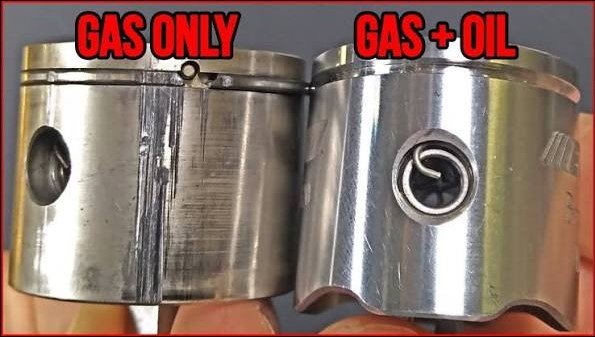
Two-stroke engines rely on oil mixed directly with fuel because they lack a dedicated oil sump found in four-stroke engines. This essential lubrication process ensures that the internal components stay protected during the high-speed combustion cycles that define these machines. Without this precise oil-to-fuel ratio, the engine would suffer catastrophic failure due to friction and intense heat buildup.
If you have ever owned a chainsaw, a dirt bike, or a weed whacker, you have probably stood at the gas pump or in your garage staring at a gas can, wondering exactly why do two stroke engines need oil. It is a common point of confusion for many DIY enthusiasts.
Unlike the family car, which you take to the mechanic for an oil change once or twice a year, these smaller, high-performance engines seem to demand constant attention and specific mixing rituals. Understanding this process is the key to keeping your tools running smoothly for years.
The simple truth is that the design of a two-stroke engine is entirely different from the four-stroke engine in your truck or sedan. While a four-stroke engine has a pressurized oil system that keeps parts moving, a two-stroke engine is much more minimalist.
It is an engineering marvel of simplicity, but that simplicity comes with a cost: it requires us to provide the lubrication ourselves. When you ask why do two stroke engines need oil, you are really asking about the survival of the engine’s internal components under extreme pressure.
Key Takeaways
- No Oil Sump: Two-stroke engines do not have a reservoir for oil, requiring it to be delivered through the fuel system.
- Lubrication on the Go: Oil must coat the piston, crankshaft, and bearings while passing through the intake port.
- Ratio Sensitivity: Using the correct oil-to-fuel ratio is the most important factor for engine longevity and performance.
- High-Speed Demands: Because these engines fire on every rotation, they generate massive heat that oil must help dissipate.
- Choosing the Right Oil: Always use specialized two-stroke oil designed to burn cleanly without leaving excessive carbon deposits.
- Environmental Awareness: Modern 2026-grade two-stroke oils are designed to minimize smoke and reduce exhaust emissions significantly.
The Fundamental Design of a Two-Stroke Engine
To understand the oiling process, we first need to look at how these engines operate. A two-stroke engine completes its power cycle in just two movements of the piston: an upward stroke and a downward stroke. This design is what makes them so punchy and powerful for their weight. However, it also means that every time the engine turns, it is firing. This creates a high-frequency environment that generates a lot of heat and friction.
Why There Is No Oil Sump
In a typical four-stroke engine, there is a dedicated oil reservoir at the bottom, known as the crankcase or oil sump. A pump moves this oil throughout the engine to keep everything slippery.
Two-stroke engines, however, use that same crankcase to compress the air and fuel mixture before it enters the combustion chamber. If you filled that space with a pool of oil, the engine simply would not function. The design necessitates a different approach to lubrication.
The Journey of the Fuel-Oil Mix
Because the crankcase is busy moving air and fuel, the oil must be introduced into the fuel itself. As you pull the starter cord, the gas and oil mixture enters the engine. The oil clings to the metal surfaces of the crankshaft, the connecting rod, and the cylinder walls as it passes by. This is the only way these critical parts receive the lubrication they need to survive the violent motion of the piston moving up and down thousands of times per minute.
The Science of Lubrication and Heat
You might wonder, if we are burning oil, does it not just disappear? That is exactly the point. The oil is designed to lubricate during the journey through the crankcase and then burn up in the combustion chamber.
This is why you often see a bit of blue smoke from older two-stroke equipment. However, the chemistry of modern oil has changed drastically by 2026, focusing on clean burning while still maintaining a protective film on engine parts.
Fighting Friction at High RPMs
Two-stroke engines are known for their high RPMs. Friction is the mortal enemy of high-speed metal parts. Without that microscopic layer of oil, the piston would seize against the cylinder wall almost instantly.
When you ask why do two stroke engines need oil, think of it as a protective shield. That thin film of lubricant keeps metal from touching metal. If the oil is missing or the mixture is too lean, the engine will overheat, leading to scoring on the cylinder walls and eventually a seized engine that will never turn again.
Managing Internal Temperatures
Heat is another reason why oil is vital. Combustion is a fire-breathing process, and internal temperatures can skyrocket in seconds. While the cooling fins on the outside of the engine handle the external heat, the oil works from the inside. It helps carry heat away from the hot, fast-moving internal bearings and parts, allowing the engine to stay within its safe operating temperature range.
The Importance of the Correct Oil-to-Fuel Ratio
One of the most frequent mistakes beginners make is guessing the ratio. If you use too much oil, the engine will run poorly, smoke excessively, and foul up your spark plug with carbon deposits. If you use too little oil, you are starving your engine of its lifeblood. Knowing why do two stroke engines need oil is only half the battle; the other half is understanding that precision matters.
Consistency is Key
Always check your manufacturer’s manual. Common ratios like 40:1 or 50:1 are standard, but they are not universal. Using a measuring cup or a pre-mixed bottle designed for your specific ratio is much safer than “eyeballing it” in the gas can. In 2026, many fuel stations offer pre-mixed two-stroke fuel that eliminates the guesswork, which is a great option if you want to ensure your gear lasts as long as possible.
Quality Matters in 2026
Not all oils are created equal. You should never use standard motor oil in a two-stroke engine. Specialized two-stroke oil is formulated to mix perfectly with gasoline and, more importantly, to leave as little residue as possible when it burns.
Cheap or incorrect oil will clog your exhaust ports with carbon, choking the engine and causing it to lose power. Stick to high-quality synthetic or semi-synthetic two-stroke oils labeled for the type of equipment you are using.
Common Misconceptions About Two-Stroke Oil
There are many myths floating around job sites and garages. One of the most dangerous myths is that you can skip adding oil if the engine is “broken in.” This is completely false. The engine always needs this external lubrication regardless of its age.
Another myth is that modern high-tech engines do not need as much oil as old ones. While modern engineering is impressive, the laws of physics remain the same: moving metal needs oil to prevent friction.
Oil and Carbon Buildup
Some people think that because they use oil, they have to accept carbon buildup. While some buildup is normal, modern oil technology has advanced significantly. If you are experiencing excessive black soot or carbon buildup, it is often a sign that you are using the wrong oil or your ratio is off. Keeping the internal combustion chamber clean is essential for maintaining the power output the engine was designed to deliver.
The Role of Storage
Does gas with oil go bad? Yes, it does. In 2026, we have to deal with ethanol in our gasoline, which can cause the fuel to degrade, leaving the oil behind or causing the mixture to separate. Never leave mixed fuel in your tool for months at a time. If you know you are putting the chainsaw away for the season, drain the tank or run the engine dry. Fresh mix is the best way to ensure your engine starts the next time you need it.
Practical Tips for Maintenance
Maintenance for a two-stroke engine is actually quite simple if you follow a routine. Because the oil passes through the entire system, keeping that system clean is very important. Regularly checking your spark plug is a great diagnostic tool. A light brown, dry plug means your oil mixture is perfect. A wet, black, or oily plug is a clear indicator that you are using too much oil or the wrong type of oil for your engine.
Cleaning the Exhaust Port
Over time, even with the best oil, some carbon will build up in the exhaust port. This is a narrow passage where smoke leaves the engine. If this gets clogged, the engine cannot “breathe,” and it will lose power or refuse to start. Keeping your engine tuned and using clean-burning oil minimizes this risk significantly, saving you from having to perform more intrusive mechanical work later on.
The Benefits of Modern Technology
By 2026, we have seen major advancements in two-stroke oil chemistry. We now have oils that are biodegradable and designed for lower-emission operations. These oils do not just protect the engine; they are kinder to the environment and the operator. Breathing in exhaust fumes is part of the job when using landscaping tools, so using low-smoke, high-quality synthetic oils is a great health choice for the user as well.
Conclusion
Understanding why do two stroke engines need oil is the first step toward becoming a master of your own power equipment. Once you recognize that the oil is not just an additive but the actual cooling and lubricating system for the engine, it changes how you approach maintenance.
It moves from being a chore to being a necessary act of care that ensures your tools perform when you need them most. Remember, the two-stroke engine is designed for high-intensity work in a compact package. Respecting its need for a precise, clean oil-fuel mixture will grant you years of reliable service from your equipment.
Always use the manufacturer-recommended oil, keep your ratios accurate, and store your fuel properly. By following these simple practices, you avoid the frustrations of engine failure and keep your projects moving forward. Treat your two-stroke engine well, and it will keep running strong for years to come.
Frequently Asked Questions
Do I really have to mix oil with gas every time?
Yes, because two-stroke engines lack an internal oil reservoir, the fuel serves as the delivery system for lubrication. If you put straight gasoline into the tank, the engine will seize within minutes.
Can I use regular car motor oil in my two-stroke engine?
No, you should never use standard motor oil. Two-stroke engines require specialized oils designed to burn off cleanly during the combustion process without leaving harmful deposits.
What happens if I use the wrong oil-to-fuel ratio?
Using too little oil causes extreme friction and overheating, while using too much oil leads to heavy smoke, fouled spark plugs, and carbon buildup that chokes the engine.
How long can I store mixed fuel before it goes bad?
Due to ethanol in modern gasoline, mixed fuel generally stays fresh for about 30 days. It is best to mix only what you need or use a fuel stabilizer to extend its shelf life.
Why does my two-stroke engine produce blue smoke?
A small amount of blue smoke is often normal for these engines, but excessive smoke usually indicates an incorrect mix ratio or an engine that is burning oil due to internal wear.
Are there two-stroke engines that do not require mixing oil?
Some newer professional-grade equipment features an “oil injection” system that stores oil in a separate tank and injects it automatically, but the engine still burns that oil during the combustion cycle.