

The best engine oil filter combines proven filtration, correct fit, strong seals, and dependable flow for your vehicle.
A weak oil filter can let dirt move through the engine, while the wrong filter may leak or fail to fit. I looked at five popular choices for 2026, including premium spin-on filters, OEM Toyota and Subaru options, and a cartridge filter for high-mileage service. Each pick has a different strength. Your vehicle’s exact engine, filter number, oil type, and service schedule should guide the final choice.
See the differences between my top picks at a glance.
Bosch 3323 Premium Oil Filter

The Bosch 3323 is a strong choice for drivers who want a premium spin-on oil filter from a well-known parts brand. Its FILTECH filtration design is made to support clean oil flow and particle control. The filter fits selected Acura, Chrysler, Dodge, Ford, Honda, Infiniti, and Nissan applications. Still, the vehicle fit list is only a starting point.
I like this filter for normal daily driving and regular oil changes. Its value depends on the correct fit, the oil used, and the service interval. Before ordering, match the Bosch part number with your owner’s manual or a trusted parts catalog. A filter that fits one Honda or Nissan engine may not fit another engine from the same brand.
Pros:
- Premium Bosch brand with broad application coverage
- FILTECH filtration design
- Useful choice for many Honda, Acura, Ford, and Nissan vehicles
- Simple spin-on installation
- Good match for routine oil change service
- Easy to compare with the vehicle’s required filter number
Cons:
- Does not fit every vehicle listed by the brand
- Product specifications can vary by application and seller
- May cost more than a basic economy filter
What Amazon Buyers Are Saying
Buyer feedback for replacement filters often focuses on fit, packaging, and ease of installation. Customers who choose the correct application tend to value the Bosch name and the straightforward spin-on design. Some buyers also compare the filter’s size and gasket with the old filter before installation.
The main concern with any catalog filter is ordering the wrong part. Buyers may report fit problems when a vehicle has more than one engine or filter option. I recommend checking the part number, thread size, gasket area, and vehicle year before relying on any review or fit badge.
My Recommendation
I recommend the Bosch 3323 for owners of compatible vehicles who want a premium replacement without moving to a dealer-branded filter. It is not a universal filter, so correct fit matters more than the brand name alone. I rate it highly for routine service on listed applications.
Toyota Genuine 90915-YZZN1 Filter

The Toyota Genuine 90915-YZZN1 is aimed at owners who prefer an OEM-style engine oil filter for a compatible Toyota or Lexus vehicle. OEM means the part is sold under the vehicle maker’s brand, but the exact application still needs checking. This filter is listed for select Toyota and Lexus vehicles. It should not be treated as a universal Toyota filter.
For many owners, the main advantage is confidence in the listed factory replacement number. A familiar part number can make routine maintenance easier. I would compare the number with the service manual, dealer information, or a reliable vehicle parts catalog before placing an order, especially if the vehicle has a recent model-year change.
Pros:
- OEM-branded option for select Toyota and Lexus vehicles
- Clear 90915-YZZN1 part-number reference
- Good choice for owners who prefer factory replacement parts
- Simple spin-on service format
- Useful for keeping maintenance close to the vehicle maker’s specification
- Good fit-focused alternative to a generic filter
Cons:
- Compatibility must be confirmed by exact vehicle and engine
- OEM branding may increase the purchase price
- Packaging and seller source should be checked carefully
What Amazon Buyers Are Saying
Buyers who select the correct Toyota or Lexus application often look for the familiar part number and factory-style replacement experience. Common positive themes in OEM filter purchases include simple installation and confidence that the part is intended for the vehicle brand.
The most important issue is fit verification. Toyota has used different filter numbers across engines, years, and markets. Reviews can also combine comments from more than one vehicle application. I suggest reading the recent listing details and checking the part number rather than relying only on a customer photograph or a generic “fits your vehicle” message.
My Recommendation
This is my preferred pick for a Toyota or Lexus owner whose manual calls for 90915-YZZN1. It makes sense when OEM part selection matters more than finding the lowest price. I would not buy it for a different filter number just because the vehicle is also made by Toyota.
Bosch 3300 Premium Oil Filter
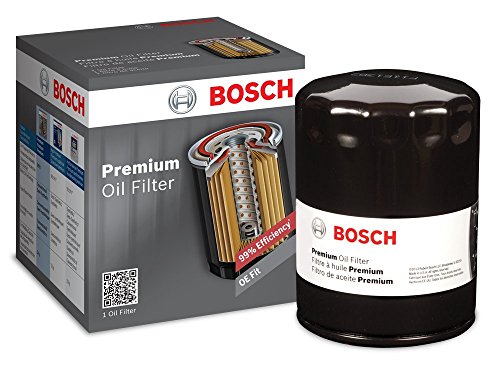
The Bosch 3300 is another premium spin-on filter for selected vehicles. The listing includes applications from Chevrolet, Ford, Honda, Infiniti, Kia, Mazda, Mercury, MG, and Nissan. Its FILTECH filtration technology gives it a clear feature to compare with lower-cost filters. As with the 3323, the part number must match the vehicle before installation.
This filter may suit drivers who want a compact, brand-name option for normal road use. I would use the same careful process as with any replacement part: confirm the engine, year, filter number, gasket, and thread specification. A filter that looks similar can still have a different bypass setting or mounting design.
Pros:
- Premium Bosch replacement option
- FILTECH filtration technology
- Fits selected Chevrolet, Ford, Honda, Kia, Mazda, and Nissan applications
- Convenient spin-on design for standard oil changes
- Easy to compare with the original filter number
- Suitable for many common passenger vehicles when correctly matched
Cons:
- Not interchangeable with Bosch 3323
- Vehicle fit varies by engine and model year
- Some applications may have less space for hand removal
What Amazon Buyers Are Saying
Customer discussions around this type of Bosch filter commonly center on fit, build quality, and installation. Buyers who order by the correct part number often appreciate the familiar brand and the clean, direct replacement process. Some also check the old filter beside the new one before adding oil.
Fit complaints usually point to catalog errors, vehicle variation, or an order made without checking the exact engine. Reviews may also mention damaged boxes or differences in appearance between production batches. I recommend inspecting the gasket and housing before use and returning any filter that arrives damaged.
My Recommendation
The Bosch 3300 is worth considering when it matches your vehicle’s required filter number. It offers a solid balance of brand reputation, filtration design, and easy installation. I rate it slightly below the Toyota OEM option only because the Bosch fit list covers many different brands and demands closer checking.
A-Premium 10K Cartridge Oil Filter

The A-Premium cartridge filter targets selected Toyota and Lexus vehicles. It is listed for models such as the Camry, RAV4, Tacoma, Highlander, Sienna, Avalon, and several Lexus vehicles. The product name highlights 10K miles protection, but that phrase should not replace the vehicle maker’s service schedule. Oil life depends on the oil, engine, driving conditions, and maintenance plan.
Cartridge filters differ from spin-on filters. You replace the filter element inside a reusable housing, and the housing seal must sit correctly. This can create less waste than replacing a metal canister, but installation needs care. I would confirm the exact cartridge shape and replace every included O-ring or seal as directed.
Pros:
- Designed for selected Toyota and Lexus cartridge applications
- Useful coverage across many popular models
- Cartridge format can reduce disposal of a metal filter shell
- Marketed for extended protection intervals
- Good option for owners already using a cartridge-style housing
- Often a practical choice for routine DIY service
Cons:
- Not suitable for vehicles that use a spin-on filter
- The 10,000-mile wording does not change the vehicle service schedule
- Incorrect O-ring placement can cause leaks
- Exact engine and housing fit require close checking
What Amazon Buyers Are Saying
Buyers who use cartridge filters often discuss fit, seal quality, and the ease of changing the element. Positive comments usually come from customers who confirm the application before ordering and follow the housing instructions. Some DIY owners also like avoiding a full metal filter canister.
Common concerns with cartridge products include an incorrect seal, a filter that does not sit flat, or confusion about which O-ring groove to use. Reviews may combine several Toyota and Lexus applications. I would inspect the old element, compare the new one, and follow the service manual closely.
My Recommendation
I recommend the A-Premium filter for a compatible Toyota or Lexus cartridge housing when the part number matches. It can offer useful value for DIY owners, but I would not select it based only on the 10K label. Correct sealing and the manufacturer’s oil-change schedule remain more important.
Subaru Oil Filter and Washer Kit

This Subaru package combines an engine oil filter with a crush washer. It is listed for selected Outback, Legacy, Impreza, Forester, Crosstrek, and Ascent applications. The listed part references include 15208AA21A and 803916010. Since Subaru vehicles can use different parts by engine and year, confirm the correct number before buying.
The included washer is the main convenience feature. A fresh drain-plug washer can help support a proper oil-change seal when the old washer should not be reused. The filter itself uses the familiar spin-on format. I like this kit for owners who want to collect two small service parts in one order, but I would still verify the washer size and filter number.
Pros:
- Combines a filter and crush washer in one package
- Useful for selected Subaru maintenance applications
- Supports a simple spin-on oil change process
- Listed for several popular Subaru models
- Can save a separate washer purchase
- Convenient for home mechanics who plan regular service
Cons:
- Not every Subaru model uses the same filter
- Kit contents and pack size must be checked before ordering
- Washer fit still needs confirmation for the drain plug
- Some owners may prefer a Subaru dealer-supplied part
What Amazon Buyers Are Saying
Customers who buy maintenance kits often value the convenience of receiving the filter and drain-plug washer together. Positive experiences usually involve a correct fit, easy installation, and no need to make a second trip for a small service item. Subaru owners also tend to compare the part numbers closely.
Potential complaints can involve the wrong Subaru application, a missing or unsuitable washer, or a pack quantity that differs from the buyer’s expectation. Product listings can show several pack options. I suggest checking the selected quantity, part number, and vehicle fit before starting the oil change.
My Recommendation
This kit is a smart convenience pick for a compatible Subaru, especially for DIY owners who need a fresh crush washer. It is not my universal best engine oil filter because Subaru fit varies by application. When the numbers match, the combined package offers practical value.
How to Choose the Best Engine Oil Filter
Choosing the best engine oil filter starts with the vehicle, not the package design. A filter can have strong materials and still be wrong for your engine. I use the owner’s manual, the original filter number, and a trusted parts catalog as my first checks. Then I compare the filter type, seal, service plan, and total value.
1. Match the Exact Filter Number
Always confirm the part number before you compare brands. Check the vehicle year, engine size, trim, and drivetrain when needed. Two engines from the same model line may use different filters. This matters for thread size, gasket diameter, canister length, bypass behavior, and oil-flow design.
Do not rely on appearance alone. A filter can look almost identical to the old one and still have the wrong seal or thread. I also avoid assuming that a filter for one Toyota, Honda, Subaru, or Ford model fits every vehicle from that brand. The best engine oil filter is the one that matches the engine’s required specification.
2. Choose Spin-On or Cartridge Correctly
Most spin-on filters contain the filter media inside a sealed metal canister. You remove the old canister and install the new one. This design is simple and common. Before installation, lightly coat the gasket with clean oil and tighten the filter as the filter maker or vehicle manual directs.
Cartridge filters use a replaceable element inside a reusable housing. They may create less metal waste, but the housing seal needs careful placement. Never force a cartridge into the housing. Replace the O-ring in the correct groove and inspect the cap threads. A small installation error can lead to an oil leak.
3. Compare Filtration, Seals, and Value
Good filtration helps remove dirt and wear particles from engine oil. Yet a filter must also allow suitable oil flow. Look for a known part number, clear product information, a sound gasket, and a reputable seller. Brand reputation helps, but it does not replace fit verification.
Think about your service routine, too. If you change oil at the interval in the owner’s manual, a standard quality filter may be enough. If your vehicle uses a cartridge system, choose a filter with the correct element and seal. Do not extend an oil-change interval just because a product name mentions long-mile protection.
Price should include the full service. A kit with a crush washer may cost more than a filter alone but save a separate purchase. A premium filter may offer useful construction for a small price difference. I would avoid the cheapest unknown filter when the source, part number, or specifications are unclear.
Final Verdict: Which Should You Buy?
For a compatible Toyota or Lexus, the Toyota Genuine 90915-YZZN1 is my top OEM pick. For many other listed vehicles, the Bosch 3323 offers the best balance of filtration design, brand trust, and value.
The best engine oil filter is always the correct filter for your exact engine. Check the part number, follow the service schedule, and inspect the seal before installation.
FAQs Of best engine oil filter
What is the best engine oil filter for most cars?
There is no single filter for every car. The best choice is a quality filter that matches your exact engine, thread, gasket, and manufacturer specification.
How often should I replace an engine oil filter?
Most drivers replace the filter at every oil change. Follow the service schedule in your owner’s manual and the instructions on the filter package.
Is an OEM oil filter better than an aftermarket filter?
An OEM filter offers a vehicle-brand replacement option. A reputable aftermarket filter can also work well when its part number and specifications match the vehicle.
Can I use a 10,000-mile oil filter for 10,000 miles?
Not automatically. The oil-change interval depends on the vehicle, oil, driving conditions, and manufacturer schedule. The product label does not replace that schedule.
How do I know if an oil filter will fit my vehicle?
Use the owner’s manual or a trusted parts catalog. Confirm the year, engine, filter number, gasket, thread, and filter type before ordering.