
Disposing of used engine oil correctly is a critical responsibility for every vehicle owner. By recycling your old oil at authorized collection centers, you prevent toxic contamination of our water supply and ensure that valuable resources are repurposed sustainably. Follow these simple steps to keep your garage clean and your community safe.
If you are the type of person who loves to get under the hood of your car, you already know the satisfaction of a fresh oil change. It keeps your engine humming and your vehicle running smoothly for years to come. However, the job isn’t finished once the new, golden oil is poured into the engine. The real work begins with that messy, dark liquid you just drained into your pan.
Finding out where to dispose of used engine oil is not just a chore – it is a vital step in environmental stewardship. In 2026, we have more tools and resources than ever to make this process easy and efficient. Whether you are a DIY mechanic or just helping out a neighbor, knowing how to handle this waste protects our soil, our water, and our future. Let’s walk through the best ways to get rid of that oil responsibly.
Key Takeaways
- Oil Never Wears Out: Used engine oil does not break down; it simply gets dirty. It can be cleaned and reused infinitely through professional recycling.
- One Gallon Hazards: A single gallon of improperly disposed engine oil can contaminate up to one million gallons of fresh drinking water.
- Look for Collection Centers: Most auto parts stores and local municipal waste facilities offer free drop-off programs for used engine oil.
- Never Mix Fluids: Never mix engine oil with antifreeze, paint, or solvents, as this renders the oil impossible to recycle and creates hazardous waste.
- Safe Transport Matters: Always use a sealed, leak-proof container when transporting your oil to avoid spills during your drive.
- Check Local Regulations: Environmental laws in 2026 vary by region, so always check your city’s official website for specific drop-off guidelines.
Understanding Why Proper Disposal Matters
You might wonder why you can’t just toss the oil in the trash or pour it into the dirt behind your garage. The truth is that engine oil is incredibly persistent. Unlike food scraps or paper, it does not decompose. It stays in the environment, leaching into the groundwater and poisoning the ecosystems that plants and animals rely on to survive.
The Impact of Improper Disposal
When used engine oil is dumped into a storm drain, it doesn’t just disappear. It flows directly into local streams, rivers, and eventually the ocean. Because oil is lighter than water, it spreads out to form a thin, suffocating film on the surface. This film prevents oxygen from entering the water, which harms fish and aquatic plant life. Even small amounts of oil can cause significant damage to delicate local habitats.
Resource Conservation
There is also an economic argument for recycling. Used engine oil can be refined and processed into new lubricants or used as fuel for industrial burners. By taking your oil to a recycling center, you are helping to close the loop. You are essentially turning a waste product back into a useful resource, which reduces our need to extract raw crude oil from the earth. It is a win for your car and a win for the planet.
Where to Dispose of Used Engine Oil: Top Options
In 2026, the network for oil recycling is robust and accessible. You rarely have to travel far to find a facility willing to take your used fluids off your hands. Most of these services are free, making it the most cost-effective way to clean up your workspace.
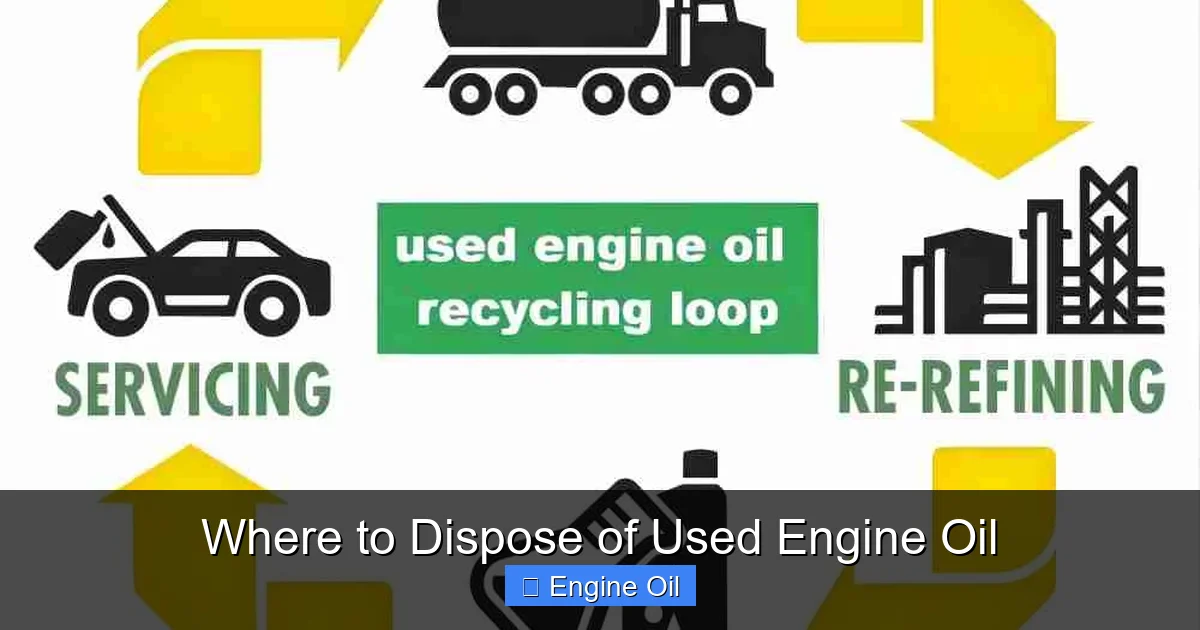
Visual guide about Where to Dispose of Used Engine Oil
Image source: purepathtech.com
Your Local Auto Parts Retailer
One of the easiest places to check first is your favorite auto parts store. Many national chains have dedicated tanks specifically for consumer motor oil recycling. It is part of their commitment to the community.
Simply call ahead to ensure they have space in their collection tank and check their hours. Most will allow you to pour your oil into their tank and take your container home, or sometimes they will accept the container itself if it is a certified recycling jug.
Municipal Household Hazardous Waste Facilities
If you have a large amount of oil or other automotive chemicals, your local town or city waste management facility is your best bet. These locations are equipped to handle hazardous waste safely.
Many cities schedule specific “drop-off days” or have permanent collection centers that are open throughout the week. Check your city’s official website to see if you need an appointment or proof of residency before heading out.
Oil Recycling Collection Events
Many communities host seasonal recycling events. These are often held in large parking lots, such as schools or municipal buildings, where city workers help you unload your materials. These events are great because they often accept other things like old car batteries, brake fluid, and oil filters, which are all part of the same recycling process.
Preparing Your Used Engine Oil for Transport
Safety is the priority when handling waste. You want to make sure the oil stays inside the container from the moment it leaves your drain pan until it hits the recycling tank. A little preparation goes a long way in preventing spills that are hard to clean and bad for your driveway.
Choosing the Right Container
Always use a container that is designed for liquids. An original, empty oil bottle is the best choice. It is sturdy, has a secure cap, and is clearly marked. Avoid using milk jugs or soda bottles, as these plastics can sometimes break down or leak when exposed to harsh chemicals. If you are using a dedicated drain pan with a pour spout, ensure the lid is tight before you start driving.
Avoiding Contamination
This is the most important rule: do not mix your engine oil with anything else. If you put antifreeze, gasoline, paint thinner, or solvents into your used engine oil, it becomes “contaminated.”
Once it is contaminated, most recycling centers will refuse it. Why? Because the mixture is difficult and expensive to separate. If you keep the oil clean, it can be recycled easily. Keep it as pure as possible to ensure it gets a second life.
Handling Oil Filters Properly
Did you know that your old oil filter is just as important to recycle as the oil itself? Even after you drain it, a used oil filter still holds a significant amount of residual oil. Tossing it in the regular trash means that oil will end up in a landfill, where it can eventually leak into the soil.
How to Drain an Oil Filter
To recycle your filter, place it in a drain pan with the open end facing down. Let it sit for at least 12 to 24 hours to allow all the oil to drip out. Once it is drained, put the filter in a plastic bag and take it to the same place you take your oil. Many retailers have separate bins specifically for oil filters, ensuring they get shredded and processed for scrap metal.
Safety Tips for the DIY Mechanic
Working on cars is rewarding, but it does involve handling hazardous substances. As we move through 2026, technology has made oil changes cleaner, but the chemical properties of oil remain the same. Take these simple precautions to keep yourself and your garage safe.
Personal Protective Equipment
Always wear nitrile gloves when handling used engine oil. It contains heavy metals and other chemicals that can be absorbed through the skin. A pair of safety glasses is also a smart idea to protect against accidental splashes while you are loosening the drain plug. A little bit of caution prevents a trip to the doctor or a messy accident.
Organizing Your Workspace
Keep a spill kit nearby. A bag of kitty litter or dedicated oil-absorbent pads can make a massive difference if you accidentally knock over your drain pan. By keeping your workspace organized and having the right tools on hand, you reduce the stress of the job and make the entire process of changing and disposing of your oil much smoother.
Conclusion
Knowing where to dispose of used engine oil is a hallmark of a responsible vehicle owner. It is a simple, effective way to contribute to a cleaner environment without having to go out of your way. By taking your used oil to an authorized collection point, you prevent contamination, conserve energy, and show respect for the community you live in.
Remember, the oil in your car is a precious resource. When you recycle it, you keep that cycle going. Next time you finish an oil change, don’t just leave that pan sitting in the corner of your garage. Seal it up, find your local recycling center, and take pride in knowing you handled it the right way. It is a small act that makes a world of difference for everyone.
Frequently Asked Questions
Is it safe to store used engine oil in my garage for a long time?
It is generally safe to store used oil for a few weeks, provided it is in a tightly sealed, leak-proof container kept in a cool, dry place. Avoid storing it near heat sources, open flames, or where children and pets can access it.
What should I do if I accidentally spill used engine oil on my driveway?
Cover the spill immediately with cat litter, sand, or an absorbent pad to soak up as much liquid as possible. Once the oil is absorbed, sweep it up, place it in a sealed bag, and check with your local waste facility on how to dispose of the contaminated material safely.
Can I mix different brands or types of engine oil in the same recycling container?
Yes, you can mix different brands of motor oil, as well as synthetic and conventional oils, in the same container. However, never mix the oil with other automotive fluids like brake fluid, transmission fluid, or antifreeze.
How can I find a recycling center near me in 2026?
The easiest way to find a center is to visit sites like Earth911 or your local government’s waste management website. Simply enter your zip code to get a list of nearby businesses and municipal facilities that accept used motor oil.
Do I need to clean the oil filter before taking it to be recycled?
You don’t need to wash the filter, but you should drain it thoroughly by leaving it upside down over a pan for at least 12 hours. This removes the excess oil so the filter can be processed for its metal content.
Is there any cost associated with recycling my used engine oil?
In most jurisdictions, there is no cost to drop off your used oil at authorized collection centers or retail stores. Some local governments even provide free transport kits or containers to residents to encourage proper disposal.