
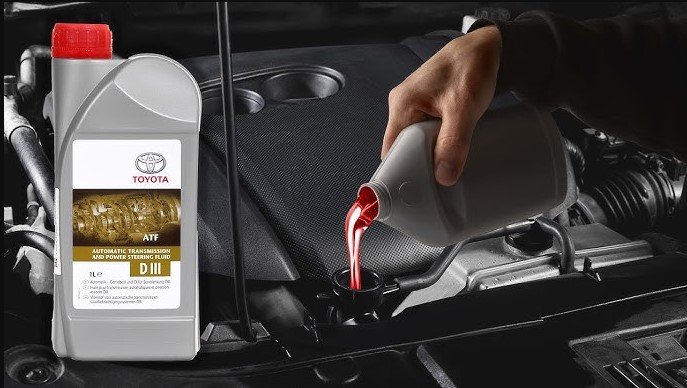
Yes, transmission fluid and engine oil are completely different substances designed for unique mechanical tasks. Mixing them or using the wrong type can cause catastrophic damage to your vehicle’s engine or gearbox, leading to expensive repairs. Always check your owner’s manual to ensure you are using the correct fluid for your specific car model.
If you have ever spent a weekend working in your garage, you know that cars have many different liquids flowing through them. From coolant to brake fluid, it can feel like a chemistry experiment under the hood.
One of the most common questions new car owners and DIY enthusiasts ask is: is transmission fluid different from engine oil? The answer is a resounding yes, and understanding why could save you thousands of dollars in repair bills.
In 2026, vehicles are more technologically advanced than ever. However, the basic physics of internal combustion and mechanical gear shifting remain the same. Both fluids are vital, but they play completely different roles. If you treat them as interchangeable, your car will not be happy. Let’s dive into why these fluids are so different and how you can keep your vehicle running smoothly.
Key Takeaways
- Chemical Composition: Engine oil contains detergents and additives for heat resistance, while transmission fluid is designed for hydraulic pressure and friction control.
- Functional Differences: Engine oil lubricates moving pistons, whereas transmission fluid powers gear shifts and cools the transmission system.
- Viscosity Variance: The thickness of the two fluids is vastly different, meaning they cannot perform each other’s jobs under pressure.
- Maintenance Intervals: Transmission fluid generally lasts much longer than engine oil, though both require regular checks to prevent buildup.
- Safety Hazard: Putting engine oil into a transmission system will likely cause the gears to slip, overheat, and fail permanently.
- Consult the Manual: Always verify the specific fluid grade required for your 2026 vehicle to maintain your warranty and performance.
Understanding the Basics of Engine Oil
Engine oil is the lifeblood of your car’s engine. Its primary job is to provide a thin, protective layer between moving metal parts. Inside your engine, pistons are moving up and down thousands of times per minute. Without oil, this metal-on-metal contact would cause your engine to weld itself together in seconds.
The Role of Lubrication
Engine oil acts as a barrier. It flows around the crankshaft, the connecting rods, and the valves. It prevents friction and wear. Furthermore, it acts as a cleaner. Modern engine oils contain detergents that pick up carbon deposits and debris, carrying them to the oil filter so they don’t clog up your engine components.
Thermal Management
Heat is the enemy of any engine. Engine oil helps transfer heat away from the hot parts of the combustion chamber. As it circulates, the oil takes heat to the oil pan where it can dissipate. Without high-quality oil, your engine would quickly reach temperatures that would warp its internal parts.
The Purpose of Transmission Fluid
While engine oil keeps your motor moving, transmission fluid keeps your car shifting. Whether you drive a manual or an automatic transmission, this fluid is essential. It is much more than just a lubricant; it is a hydraulic fluid used to transmit power.
Hydraulic Power for Gear Shifting
In an automatic transmission, the fluid actually helps the gears change. The pressure of the fluid engages the clutches and bands that allow the car to shift from first gear to second and beyond. If the fluid is too thin or the wrong type, your car might struggle to find the right gear or simply refuse to move.
Cooling and Cleaning
Transmission fluid also acts as a coolant for the transmission. Transmissions generate a massive amount of heat through friction and pressure. The fluid absorbs this heat and helps move it to a cooler. Like engine oil, it also keeps the intricate valves and channels inside the transmission clean and free of sludge.
Is Transmission Fluid Different from Engine Oil in Chemistry?
The biggest difference lies in the additive packages. If you look at a bottle of oil and a bottle of transmission fluid side-by-side, they might look similar. However, at a molecular level, they are worlds apart. Manufacturers create these fluids for very specific environments.
Additives and Friction Modifiers
Engine oil is built to handle the intense heat of combustion. It is loaded with antioxidants and rust inhibitors. Transmission fluid, on the other hand, is packed with friction modifiers. These are special chemicals that help the internal parts of the transmission “grip” just enough to shift, but not so much that they grind.
Why You Should Never Swap Them
If you put engine oil into a transmission, you are introducing substances that are meant to burn off or remain stable at very high combustion temperatures. These additives may react poorly with the rubber seals inside the transmission. Over time, this causes leaks and gear failure. If you put transmission fluid into an engine, it lacks the necessary viscosity to protect the cylinders, leading to rapid engine wear and potential “throwing a rod.”
Visual and Practical Inspection Tips
Sometimes you might find a puddle under your car and wonder what it is. Learning to spot the difference between these two fluids is a great way to diagnose issues early in your 2026 vehicle.
The Color and Smell Test
Fresh engine oil is typically light amber or golden. As it gets older, it turns dark brown or black because it collects soot from the engine. It has a fairly neutral, oily smell. In contrast, transmission fluid is usually dyed bright red or sometimes clear or pinkish. It has a distinct, sharp, and slightly sweet smell. If you see a red puddle, you know your transmission is leaking.
Using the Dipstick
Most modern cars have an engine oil dipstick, but checking the transmission fluid is becoming harder as manufacturers seal them up. If your car does have a dipstick for the transmission, check it while the engine is running and warm. If the fluid on the cloth looks dark, burnt, or smells like something is roasting, you should visit a professional mechanic immediately.
Maintaining Your Vehicle in 2026
With the release of 2026 car models, technology is focusing more on “lifetime” fluids. Many manufacturers claim you never need to change your transmission fluid. While this sounds convenient, experienced mechanics will tell you that no fluid is truly “lifetime.”
The Importance of Scheduled Service
Even if the manual says “sealed for life,” dirt and metal shavings still accumulate in the transmission over time. I always recommend a transmission fluid flush or change every 60,000 to 100,000 miles to keep the gears shifting smoothly. Engine oil, conversely, should still be changed based on your driving habits, usually every 5,000 to 7,500 miles.
Choosing the Right Product
Never assume one brand fits all. Some cars require specific synthetic blends. Using the wrong fluid can void your factory warranty, which is the last thing you want on a brand-new 2026 model. Always refer to your owner’s manual. It will tell you exactly what standard (such as Dexron or Mercon) your transmission requires.
Conclusion: Stay Safe and Informed
To summarize, is transmission fluid different from engine oil? Absolutely. They are two distinct tools for two distinct jobs. Trying to cross-pollinate them is a recipe for a broken vehicle. Engine oil handles the high-heat, high-stress environment of the combustion engine, while transmission fluid handles the hydraulic pressure and precise friction requirements of the gearbox.
Taking care of your car is about more than just washing it and keeping it shiny. It is about understanding the fluids that keep the metal parts moving. By checking your levels regularly and knowing what each fluid looks and smells like, you become a more responsible car owner. When in doubt, consult your local shop or your 2026 vehicle manual. Taking five minutes to verify your fluid type is a small price to pay to avoid a massive repair bill down the road.
Frequently Asked Questions
Can I use engine oil in my transmission if I am in an emergency?
No, you should never do this. Adding engine oil to a transmission will cause immediate damage to the seals and internal clutches, potentially destroying the transmission within a few miles.
How can I tell if my transmission fluid is bad?
Good transmission fluid is usually bright red and clear. If it looks dark brown, black, or has a burnt smell, it has likely degraded and needs to be replaced immediately.
Do electric vehicles in 2026 need transmission fluid?
Most electric vehicles use a reduction gear system rather than a traditional transmission. While they don’t use typical engine oil, they often require a specific type of gear lubricant that must not be swapped with standard ATF.
Is synthetic transmission fluid different from conventional?
Yes, synthetic fluids are engineered for better temperature stability and longevity. Many 2026 vehicles require full synthetic fluids to meet their performance and efficiency standards.
Can I check the transmission fluid in all 2026 cars?
Unfortunately, many modern vehicles have “sealed” transmissions without dipsticks. In these cases, you must have a professional technician check the fluid level during a service appointment.
What happens if I mix up the fluids during a DIY change?
Mixing these fluids or putting the wrong one in will lead to improper lubrication and hydraulic failure. If you accidentally put the wrong fluid in, do not start the engine and contact a professional to drain and flush the system.