
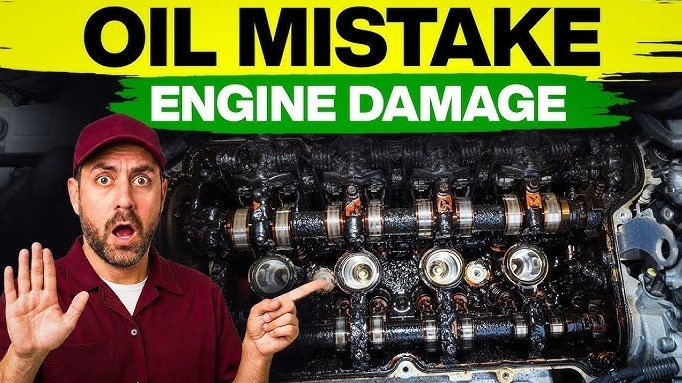
Using the wrong engine oil can lead to decreased fuel efficiency, increased engine wear, and, in severe cases, complete mechanical failure. By understanding your vehicle’s specific viscosity and certification requirements, you can protect your engine’s health and avoid costly repairs.
We have all been there. You are standing in the auto parts aisle, staring at a wall of colorful plastic jugs. You know your car needs an oil change, but you are not entirely sure which bottle to pick. Maybe you grab the one on sale, or perhaps you pick the brand your grandfather used for his old truck. It seems like “just oil,” right? Unfortunately, that assumption could be the start of a very expensive headache.
As we navigate through 2026, vehicle engineering has become incredibly precise. Modern engines are built with tight tolerances, advanced emission systems, and highly sensitive internal components.
When you ask, “what happens if you use the wrong engine oil,” the answer is far more complex than just a dirty engine. It is about the delicate balance of chemistry and physics keeping your car running smoothly. Using the wrong oil is like wearing running shoes to a formal gala you might get by for a little while, but you are definitely not doing it right.
Key Takeaways
- Viscosity Matters: Using oil that is too thick or thin prevents proper lubrication, leading to metal-on-metal contact.
- Additives and Certification: Modern engines require specific chemical packages; using the wrong type can degrade catalytic converters or sensors.
- Temperature Sensitivity: Incorrect oil may thicken in the cold, causing startup delays, or break down in the heat, causing sludge.
- Fuel Efficiency Drop: Friction caused by incorrect oil forces the engine to work harder, directly reducing your miles per gallon.
- Warranty Risks: Using oil that does not meet manufacturer specifications can void your vehicle’s powertrain warranty.
- Check the Manual: Always prioritize the owner’s manual or the oil filler cap recommendations over generic advice from store employees.
Understanding Engine Oil Viscosity and Specifications
The most common mistake drivers make is misunderstanding viscosity. If you see labels like 0W-20 or 5W-30, you are looking at the oil’s resistance to flow. The “W” stands for winter, and the number before it tells you how the oil behaves in cold temperatures. The number after it describes the oil’s thickness at operating temperatures. If your engine is designed for thin, high-efficiency oil, putting in something thicker is a recipe for disaster.
The Danger of High-Viscosity Oil
If your manual calls for 0W-20 but you use 10W-40, your oil pump has to work much harder to push that thick liquid through the tiny gaps in your engine bearings. During a cold start in the morning, the oil might not reach the top of the engine fast enough.
This leaves your pistons and valves scraping against each other without protection for those crucial first few seconds. Over time, this leads to premature wear that you cannot easily see until it is too late.
The Danger of Low-Viscosity Oil
Conversely, if you use oil that is too thin, it may not maintain a strong enough film of protection between moving parts when the engine gets hot. Think of it like a protective cushion. If the oil is too thin, the pressure from your moving engine parts will squeeze the oil out, allowing metal to touch metal. This friction generates massive amounts of heat, eventually warping internal components and causing a catastrophic breakdown.
The Role of Chemical Additives and Certification
Modern engines are equipped with complex emission control systems, such as catalytic converters and particulate filters. The oil you choose is not just lubricant; it is a chemical mixture designed to work in harmony with your exhaust system. When you use the wrong engine oil, you might be introducing chemicals that these systems cannot handle.
Visual guide about What Happens If You Use the Wrong Engine Oil
Image source: i.ytimg.com
Protecting Your Catalytic Converter
Many specialized synthetic oils contain low levels of phosphorus and sulfur. These elements help keep your catalytic converter clean. If you use a conventional or high-sulfur oil that wasn’t approved by your manufacturer, those chemicals can build up and “poison” your converter. Replacing a catalytic converter is one of the most expensive routine repairs a car owner will ever face.
Manufacturer Specific Approvals
Beyond the simple viscosity number, most manufacturers now have their own proprietary “specs.” For example, European car brands often require oils that meet specific high-temperature shear tests. If you ignore these codes often found on the back of the bottle you might find that the oil breaks down much faster than expected. This leads to sludge buildup, which is essentially the “death sentence” for a modern engine.
What Happens to Your Fuel Economy?
We all want to save money at the pump, especially in 2026 with fluctuating fuel prices. Did you know that the wrong oil can literally cost you money while you drive? If your engine requires a low-friction, energy-conserving oil, it is specifically calibrated to minimize internal resistance.
When you use a heavier, non-compliant oil, your engine encounters “internal drag.” Every time your crankshaft spins, it has to overcome the resistance of that thick oil. Your engine computer will notice the drop in efficiency and try to compensate by injecting more fuel.
You will see your gas mileage drop, and you will find yourself back at the gas station sooner than usual. Over the course of a year, the fuel savings you thought you were getting by buying a cheaper bottle of oil will be completely wiped out by increased consumption.
The Impact of Climate and Driving Habits
Your local environment plays a huge role in how oil behaves. If you live in a region with freezing winters, your engine requires an oil that stays thin enough to circulate immediately upon startup. If you use an oil designed for warmer climates, you might experience “dry starts.”
Extreme Heat and Oil Breakdown
On the flip side, if you live in a scorching desert and use an oil that isn’t rated for high heat, the oil will evaporate or break down. As oil breaks down, it creates deposits. These deposits clog up oil passages, preventing oil from reaching the areas that need it most. Once an oil passage is blocked, that specific part of your engine is living on borrowed time.
City Driving vs. Highway Driving
If you mainly do “stop-and-go” city driving, your engine works harder and gets hotter. Using the wrong oil in these conditions can lead to oil dilution, where fuel leaks past the piston rings and thins out your oil even further. If you aren’t using the correct synthetic blend or full synthetic that resists this dilution, your engine longevity will plummet.
Warranty and Long-Term Value
One of the biggest risks of using the wrong engine oil is the loss of your manufacturer warranty. When you go in for a warranty claim, the service department is allowed to request an oil sample. If their lab finds that the oil you used does not meet the manufacturer’s required specification, they can deny your claim entirely.
Imagine your engine has a internal defect. It should be a covered repair, potentially saving you thousands of dollars. But because you opted for the “generic” oil instead of the specific grade listed in your manual, you are now responsible for the full bill. Always keep your oil change receipts, and ensure the product listed matches what your manual demands.
Best Practices for Oil Selection
So, how can you make sure you are always doing the right thing? It is easier than you might think. First, stop relying on the advice of the teenager at the parts counter who is just guessing based on his own car. Instead, follow these steps:
- Check your owner’s manual: This is the holy grail of information for your specific vehicle.
- Look at the filler cap: Most manufacturers print the required viscosity directly on the cap under your hood.
- Use a digital lookup tool: In 2026, most oil brands have mobile apps or websites where you enter your VIN to see the exact match.
- Stick to the schedule: Even the best oil in the world loses its effectiveness if you drive 15,000 miles without changing it.
In conclusion, your engine is a masterpiece of engineering, and engine oil is its lifeblood. While it might be tempting to save a few bucks or grab whatever is convenient, the long-term consequences of using the wrong oil are never worth the risk.
By sticking to the manufacturer’s guidelines, you ensure that your vehicle remains efficient, reliable, and powerful for years to come. Take an extra minute at the store to verify the specs, and your car will thank you with thousands of miles of trouble-free driving.
Frequently Asked Questions
Will using the wrong oil destroy my engine immediately?
Not necessarily, but it will cause accelerated wear and tear. You might not notice immediate failure, but you are shortening the lifespan of your engine components significantly.
Can I mix two different brands of oil?
It is best to avoid mixing brands, but if you are in an emergency, it is better to have the correct viscosity from a different brand than to drive with low oil. Ensure both oils meet the same certification standards.
Does synthetic oil hurt older cars?
Contrary to popular belief, modern synthetic oils are safe for almost all engines. As long as the viscosity matches your manual, synthetic oil typically provides better protection than conventional oil.
How do I know if the oil is the wrong type?
Symptoms include a noticeable drop in fuel economy, increased engine noise, or a “check engine” light related to emission sensors. If you suspect you used the wrong oil, it is best to change it as soon as possible.
Can I use “High Mileage” oil in a new car?
High mileage oils contain additives designed to swell seals in older engines. While it likely won’t destroy a new engine, it is unnecessary and may not provide the exact protection profile your new engine requires.
How often should I check my oil?
You should check your oil level at least once a month, regardless of how new your car is. This ensures you catch any leaks or consumption issues before they turn into major repairs.